Cookie Preferences
We use cookies to enhance your experience and analyze site usage.
By clicking "Accept All", you consent to the use of all cookies. Click "Customize" to choose which categories to enable, or "Reject All" to only use strictly necessary cookies. Learn more in our Cookie Policy

Expert Insights & Industry Resources
Stay informed with the latest guidance on electrical compliance, maintenance best practices, and industry trends
Essential Reading for UK Business Leaders
Expert guidance on electrical compliance, safety standards, and operational excellence
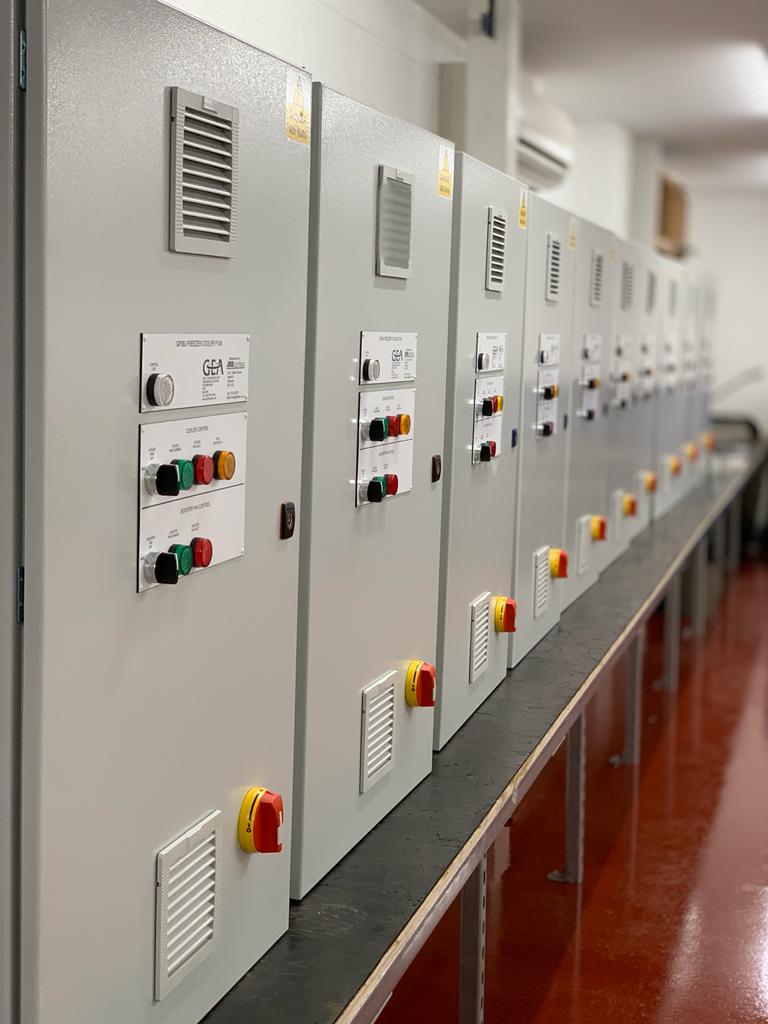
Critical Spare Parts Management: Finding Electrical Single Points of Failure
A structured guide to identifying electrical single points of failure in control systems and translating that analysis into a prioritised critical spare
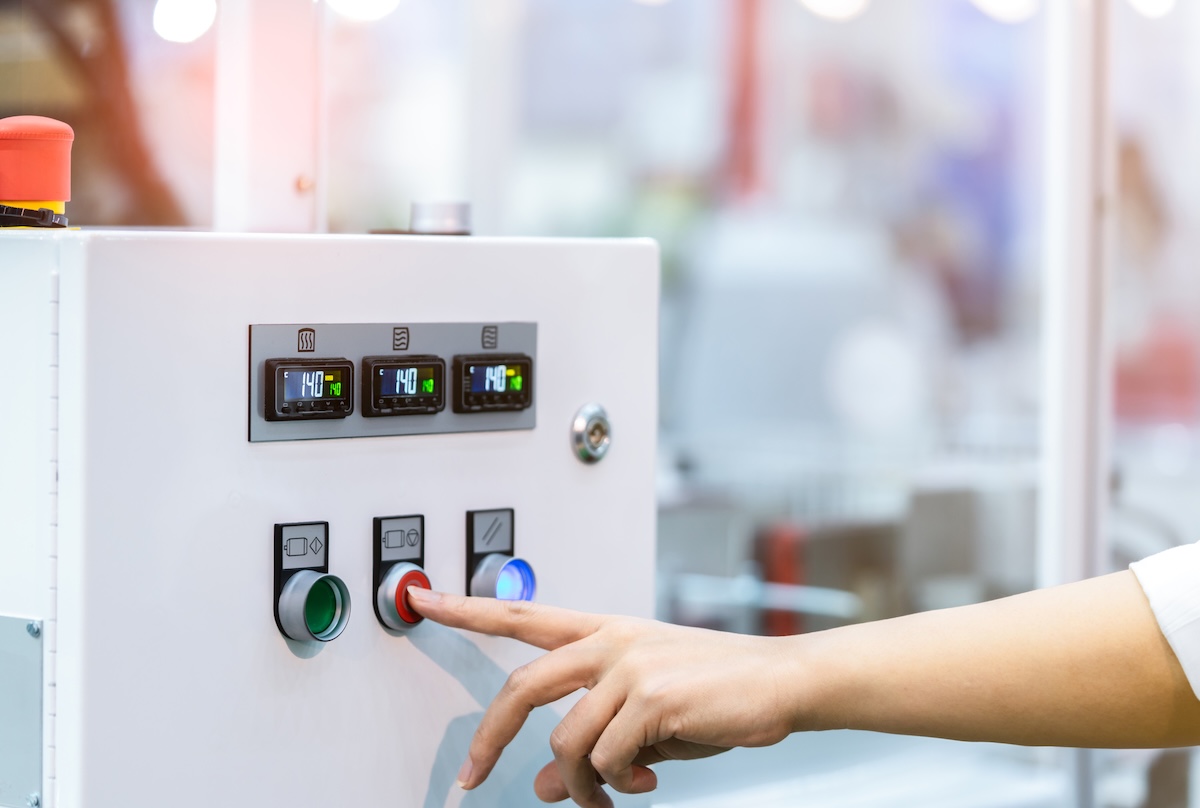
Control Panel for Refrigerator: Food Processing Specification Guide
Specify a refrigeration control panel that survives food processing conditions, satisfies BRC and SALSA auditors, and scales with your operation — from IP

Installing Electrical Control Panels in Active Industrial Facilities
A structured methodology for installing electrical control panels in live industrial facilities — covering off-site preparation, shutdown coordination,
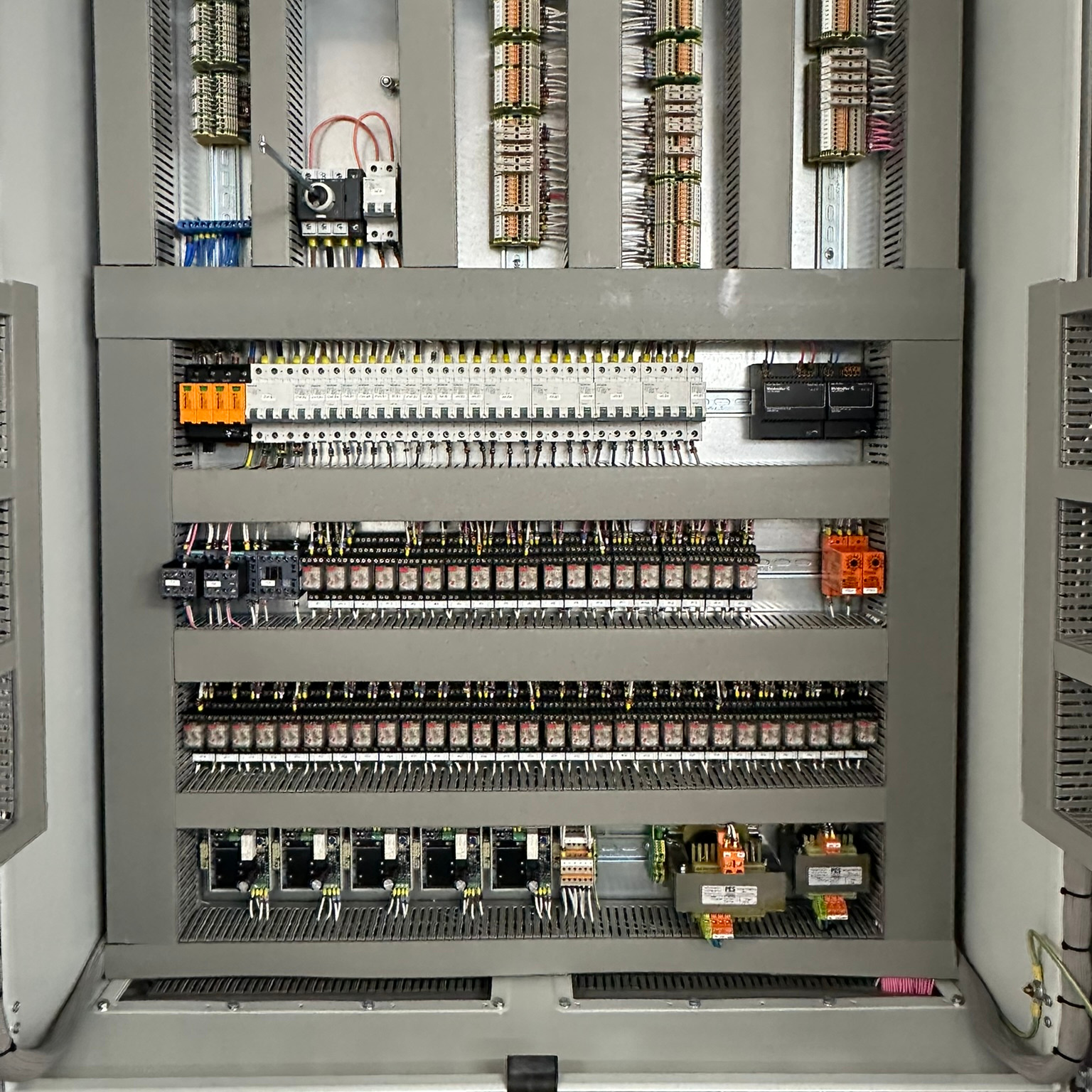
Electrical Control Panel Installers: What UK Sites Must Demand
A rigorous framework for UK industrial facilities to evaluate electrical control panel installers beyond price — covering certifications, documentation
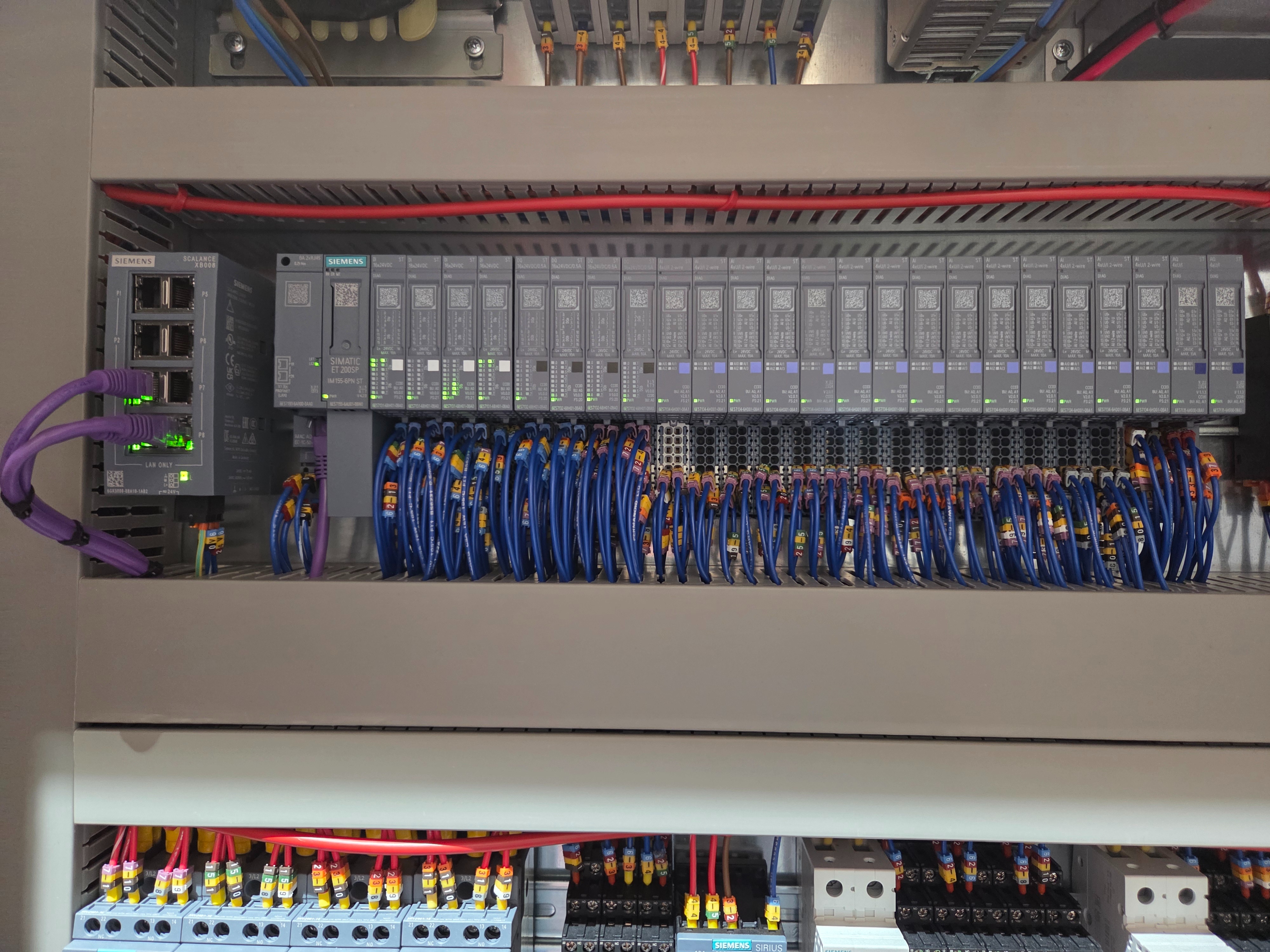
Programmable Logic Control Systems: Is Yours Fit for Purpose?
A structured framework for assessing whether your programmable logic control systems are still fit for purpose — covering obsolescence risk, code
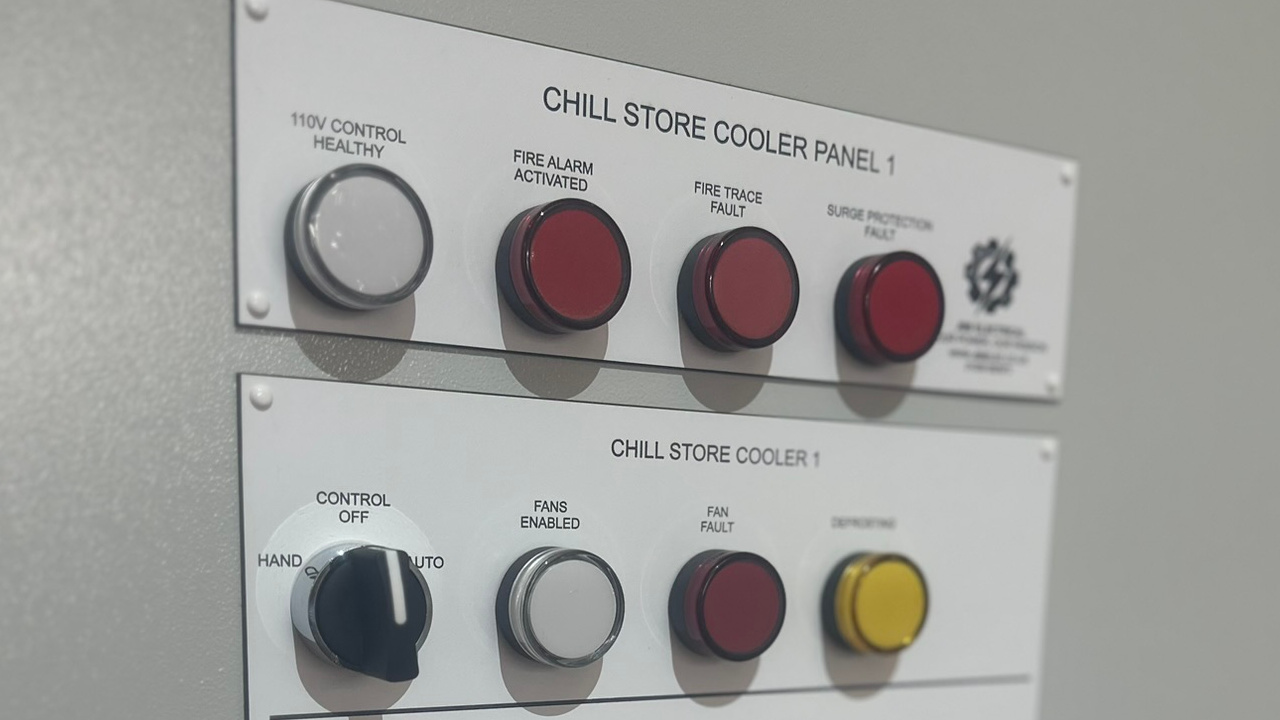
PLC With Example: How Automation Prevents Industrial Downtime
See exactly how PLC control systems prevent downtime in food processing, cold storage, and pharmaceutical operations - with real fault detection and
Temperature Probe Calibration: What Industrial Sites Must Know
A practical guide to temperature probe calibration procedure for industrial sites — covering drift tolerances, UKAS traceability, sensor types, and audit
Calibrating a Temperature Probe: Process, Standards and When to Replace
A technical walkthrough of temperature probe calibration — covering reference bath comparison, acceptance tolerances by application, and the criteria that
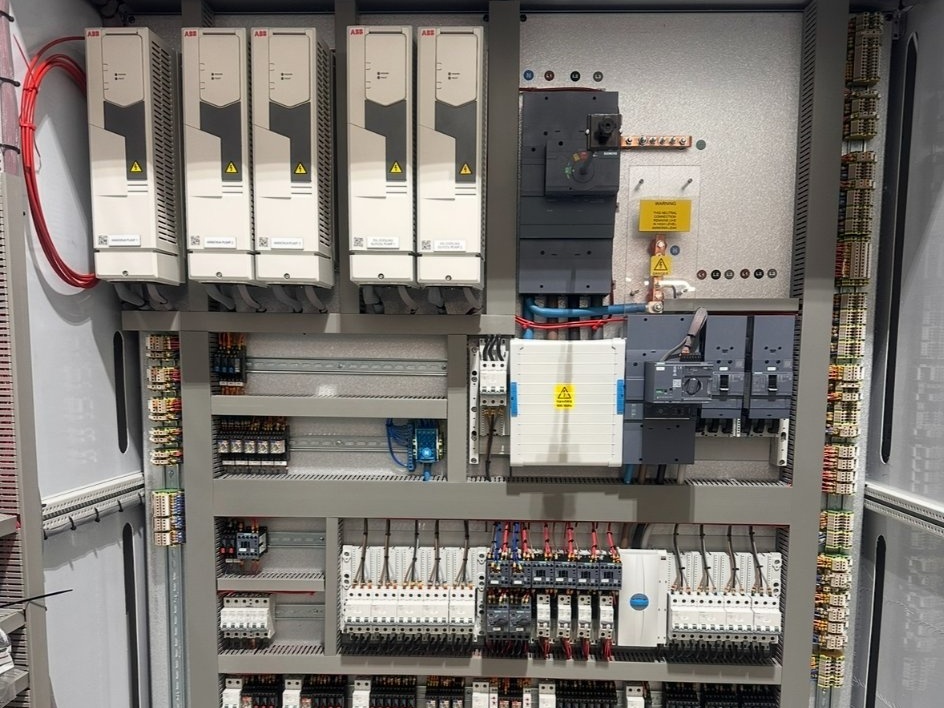
PLC Control Panel Design: What Industrial Facilities Must Get Right
PLC control software and panel design decisions made at the outset determine long-term reliability, compliance, and maintainability — here is what
Siemens PLC Programming Software: Choosing the Right Platform
TIA Portal, STEP 7, or LOGO! Soft Comfort — choosing the wrong Siemens PLC programming software creates maintenance debt. Here is how to select the right

Types of Control Panel within Electrical Systems: A Specification Guide
Understand the main types of control panel in electrical systems, how they differ in design and duty, and how to match panel type to your operational
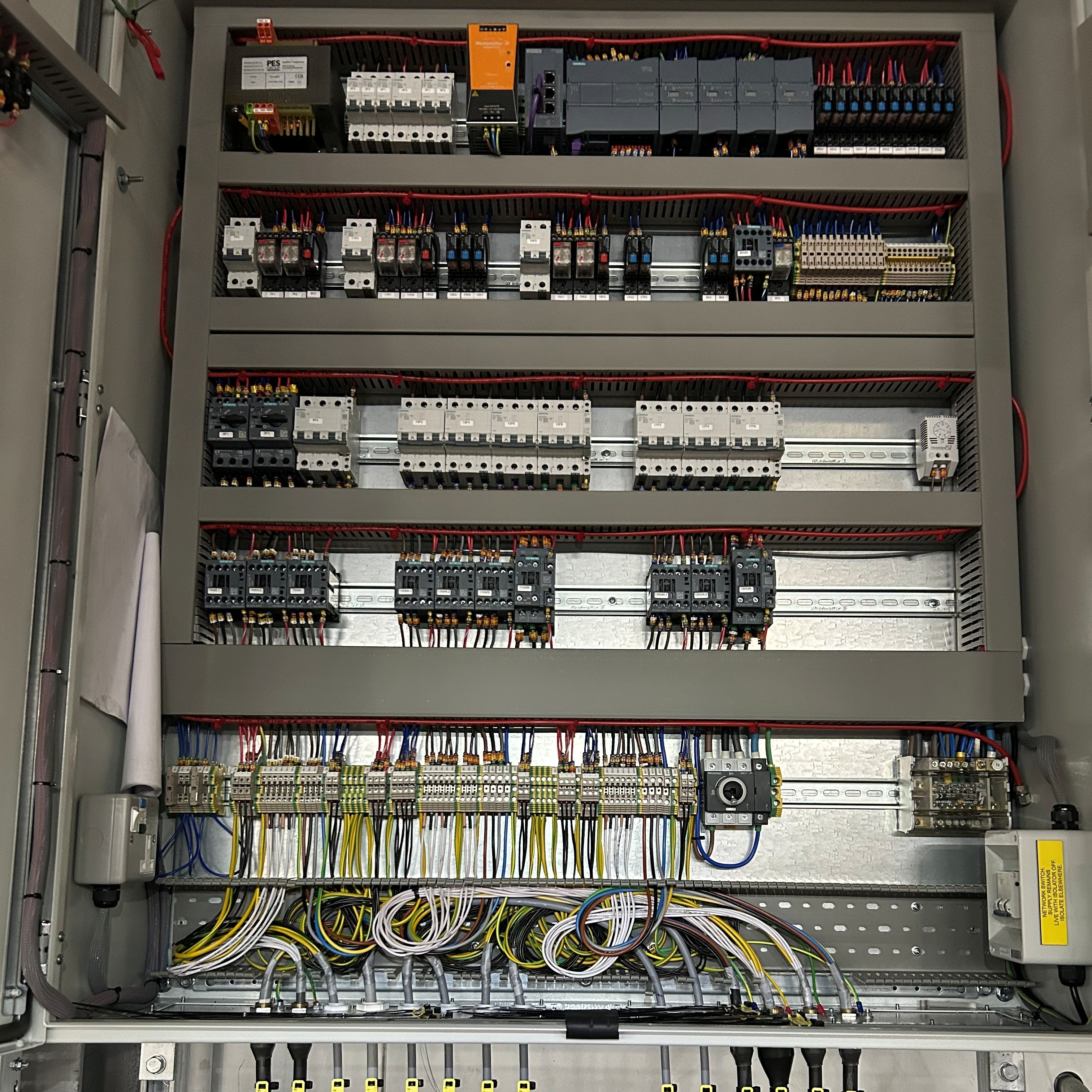
Programmable Logic Control Systems: A Practical Guide
A practical guide to programmable logic control systems — how they work, how they fail, and what decisions keep them reliable and maintainable in
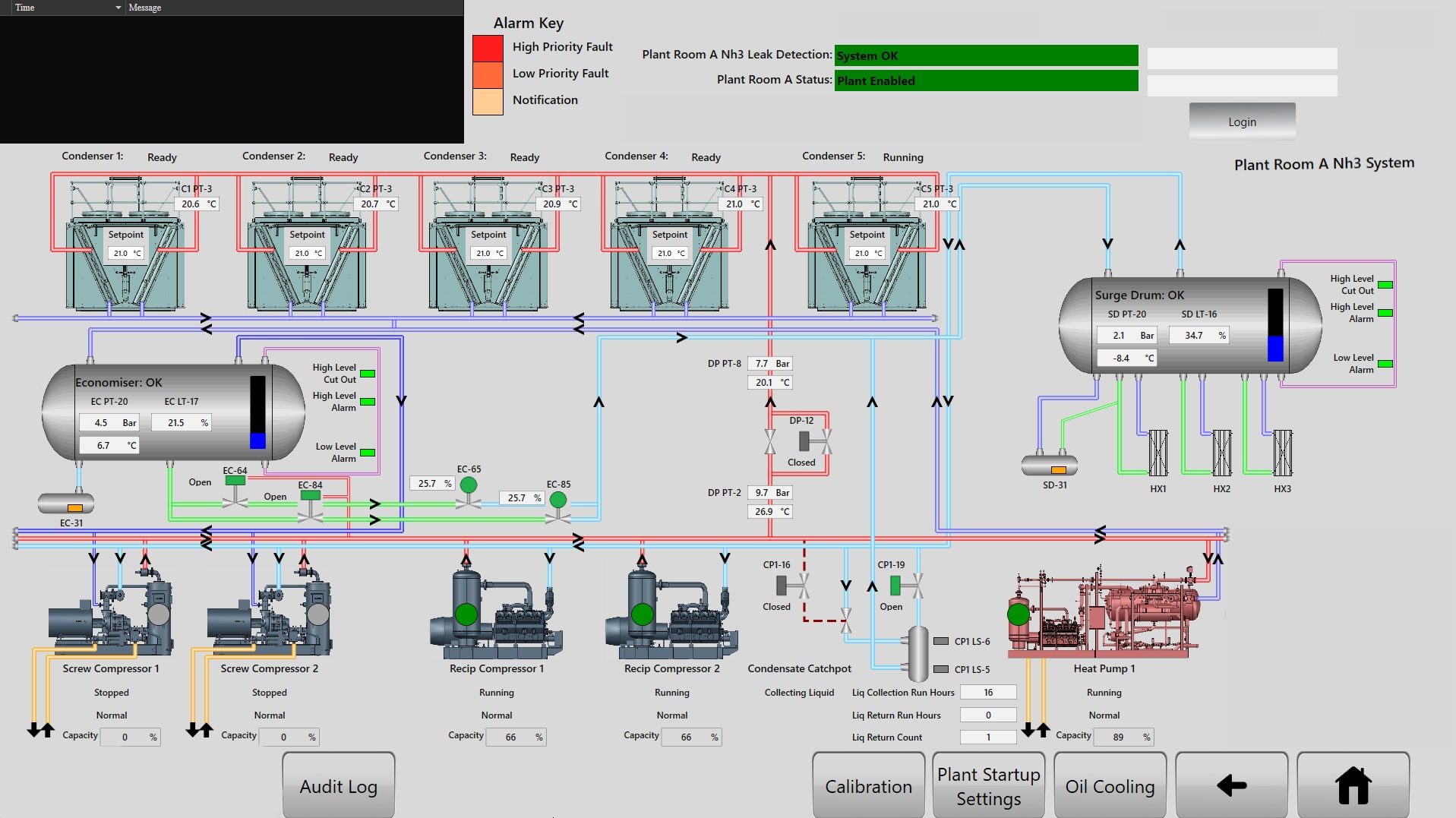
PLC Control Panel Design Decisions That Drive Reliability
The design decisions made during PLC control panel specification determine whether a panel performs reliably for 15-20 years or creates recurring

Designing a Temperature Calibration Programme That Holds Up
Build a refrigeration temperature monitoring system calibration programme that is structured, traceable, and defensible under food safety, pharmaceutical,
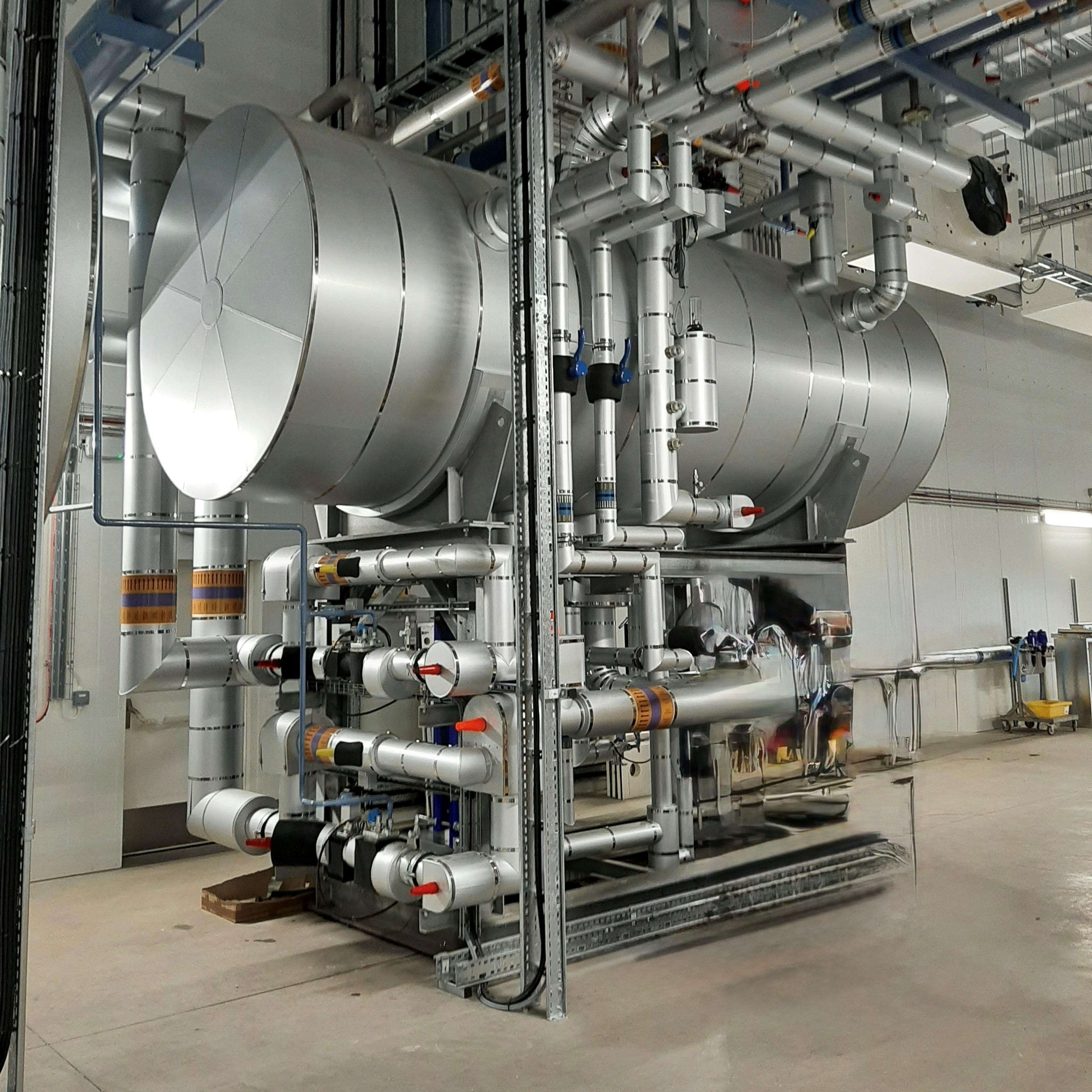
Refrigeration System Installation Faults That Cause Downtime
A refrigeration system that holds temperature can still fail. Learn the control system faults, installation deficiencies, and silent failure modes that
Why Control Panel Tenders Fail: Hidden Risks in Supplier Evaluation
Most industrial control panel tenders fail not because suppliers are dishonest, but because evaluation criteria measure the wrong things. Here is how to
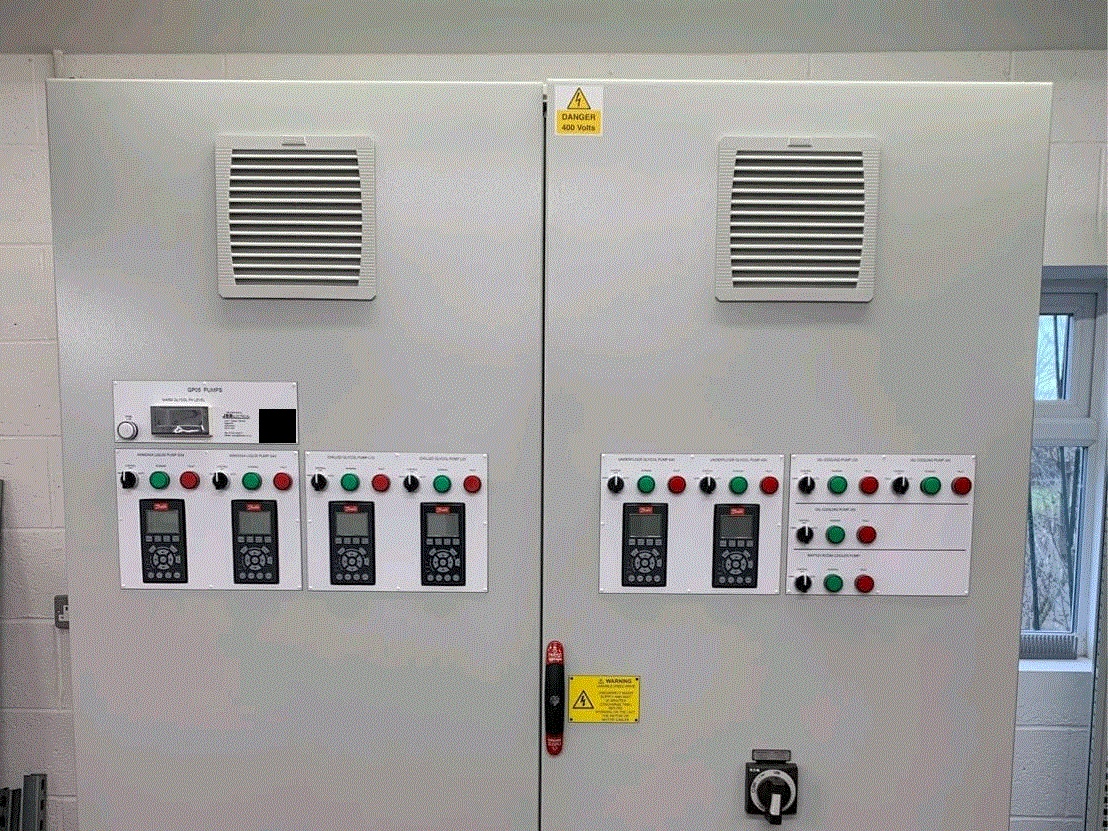
Critical Spare Parts Management: Why Configuration Determines Recovery
Having the right hardware on the shelf means nothing without its configuration data. Learn why configuration readiness is the overlooked failure point in
Why Temperature Probe Calibrator Programmes Fail
A calibration visit being done is not the same as a programme working. Learn the structural failures that make regular visits technically complete yet
Refrigeration Control Panels: What Industrial Facilities Need to Know
Understand why refrigeration control panels fail, what BS 7671 and BS EN 60204-1 require, and how to specify a panel that prevents temperature excursions a
Critical Spares Definition: What Industrial Facilities Need to Know
Learn exactly what makes a spare part critical - lead times, single points of failure, and consequence of unavailability - and what a complete critical spa
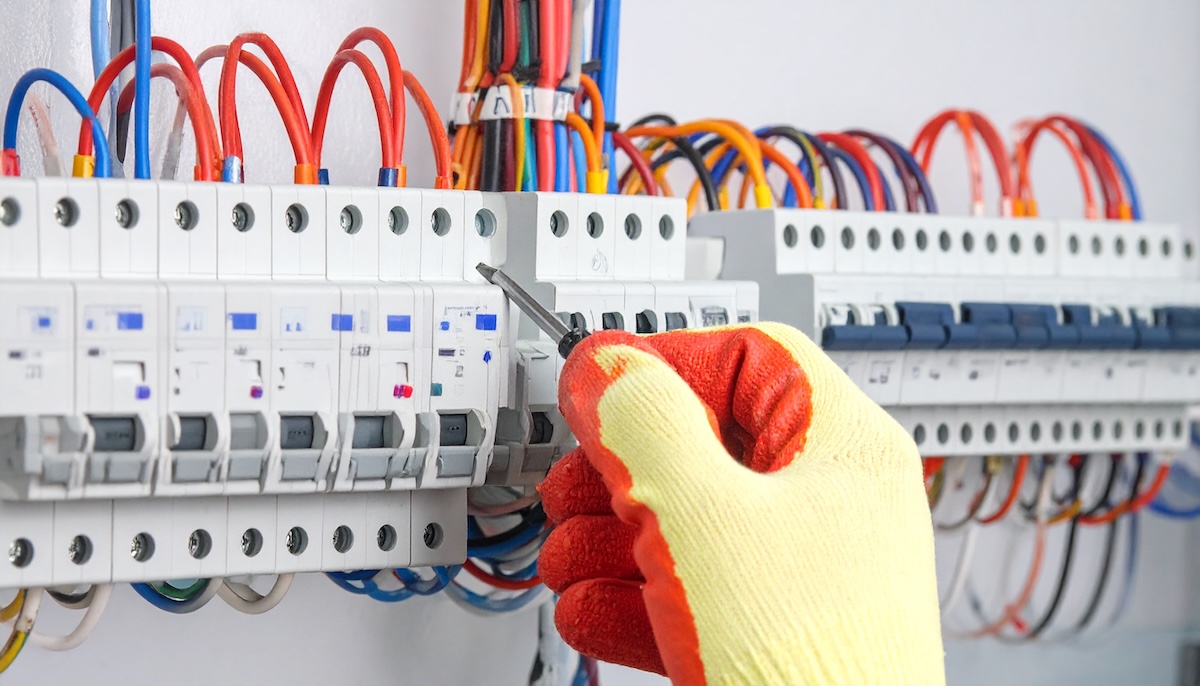
Control Panel Specification by Sector: Food, Pharma, Chemical
BS EN 61439 compliance does not guarantee sector fit. Food, pharma, chemical, commercial, and infrastructure each shape the specification differently.
Control Panel Compliance: Holding the Audit Position Between Inspections
BS EN 61439 compliance is established at commissioning — but maintained or lost across operational life. The discipline that keeps it audit-ready.
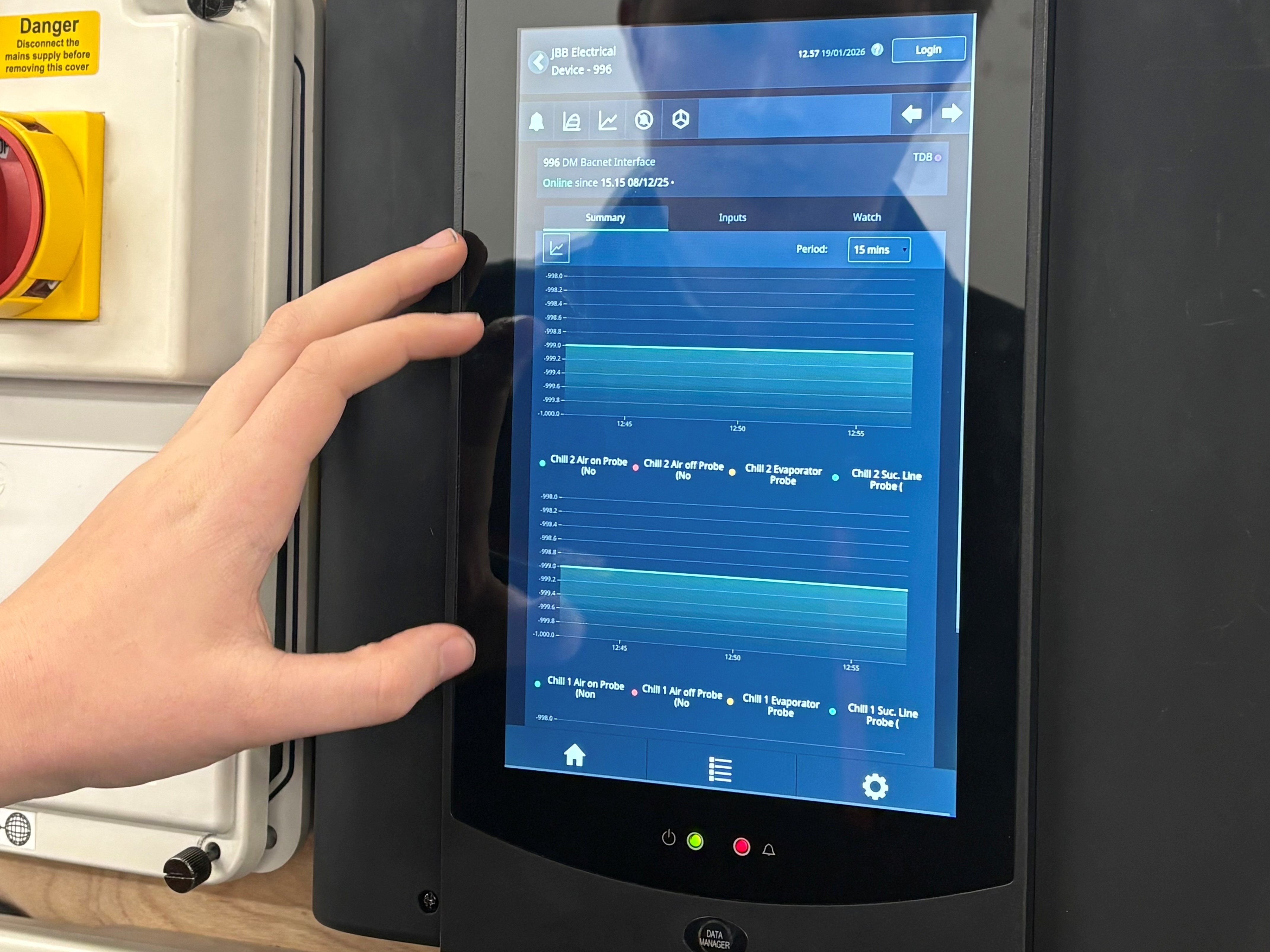
How Often Should Temperature Probes Be Calibrated?
Industrial temperature probe calibration intervals depend on regulatory requirements and operational risk - from quarterly for critical food processes.

How to Conduct a Critical Spares Assessment for Control Systems
Systematic critical spares assessment methodology identifies control system failure points and optimises inventory to prevent production stoppages.
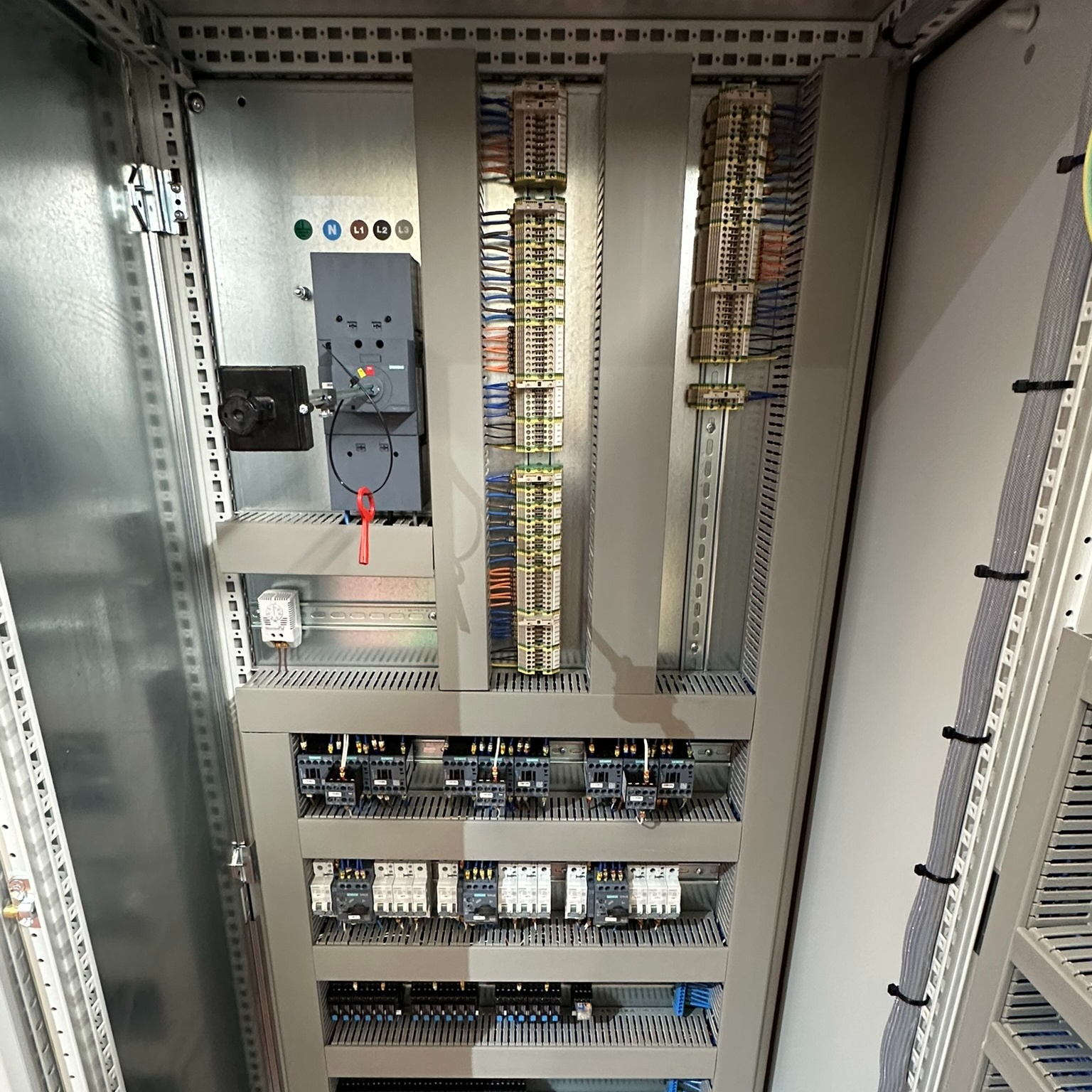
Critical Spare Parts Management for Industrial Electrical Systems
Strategic critical spare parts management prevents extended downtime by identifying failure-critical components and maintaining optimal inventory levels.
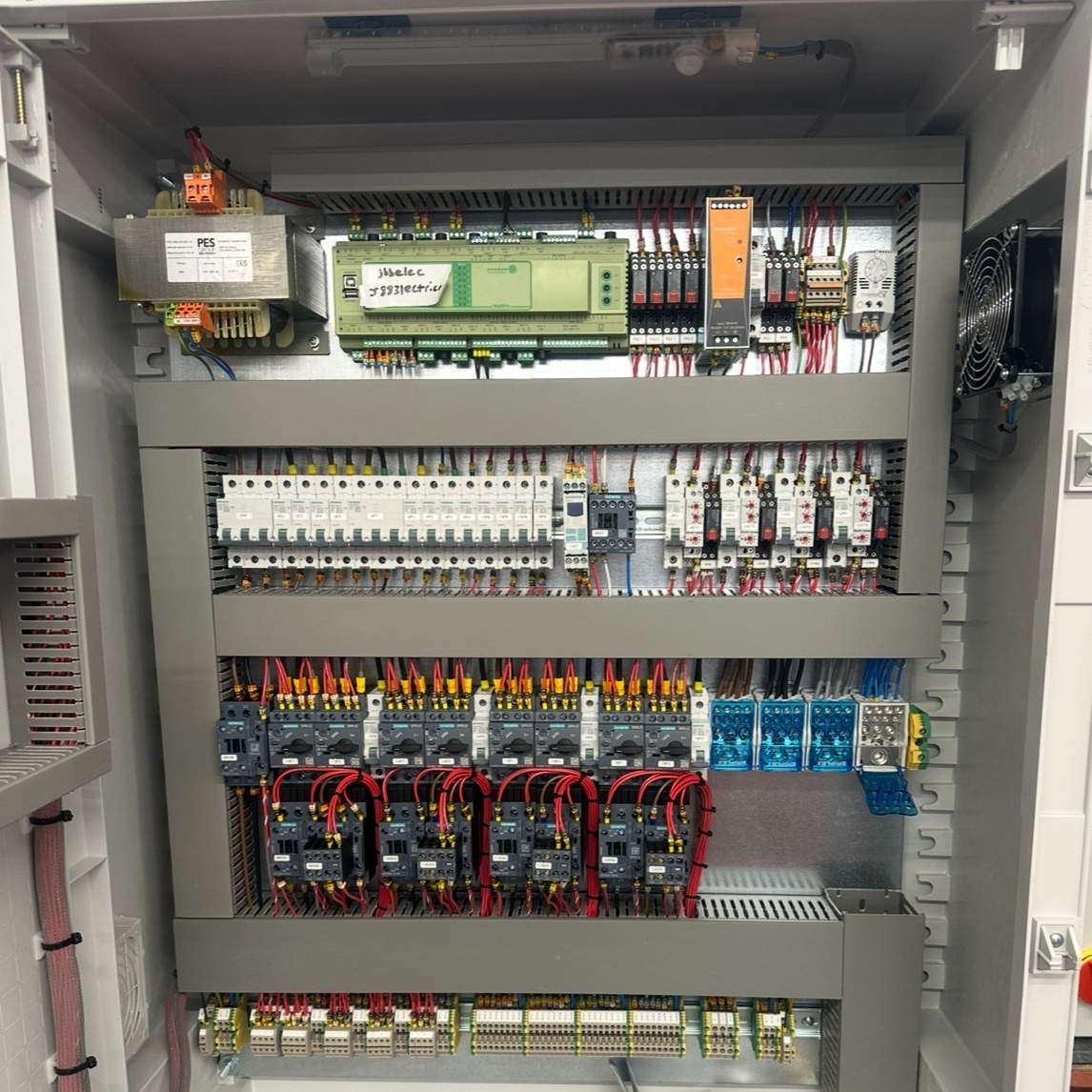
What Are Critical Spares? Definition, Examples & Why They Matter
Critical spares are essential components kept in reserve to prevent costly equipment failures and operational downtime in industrial facilities.
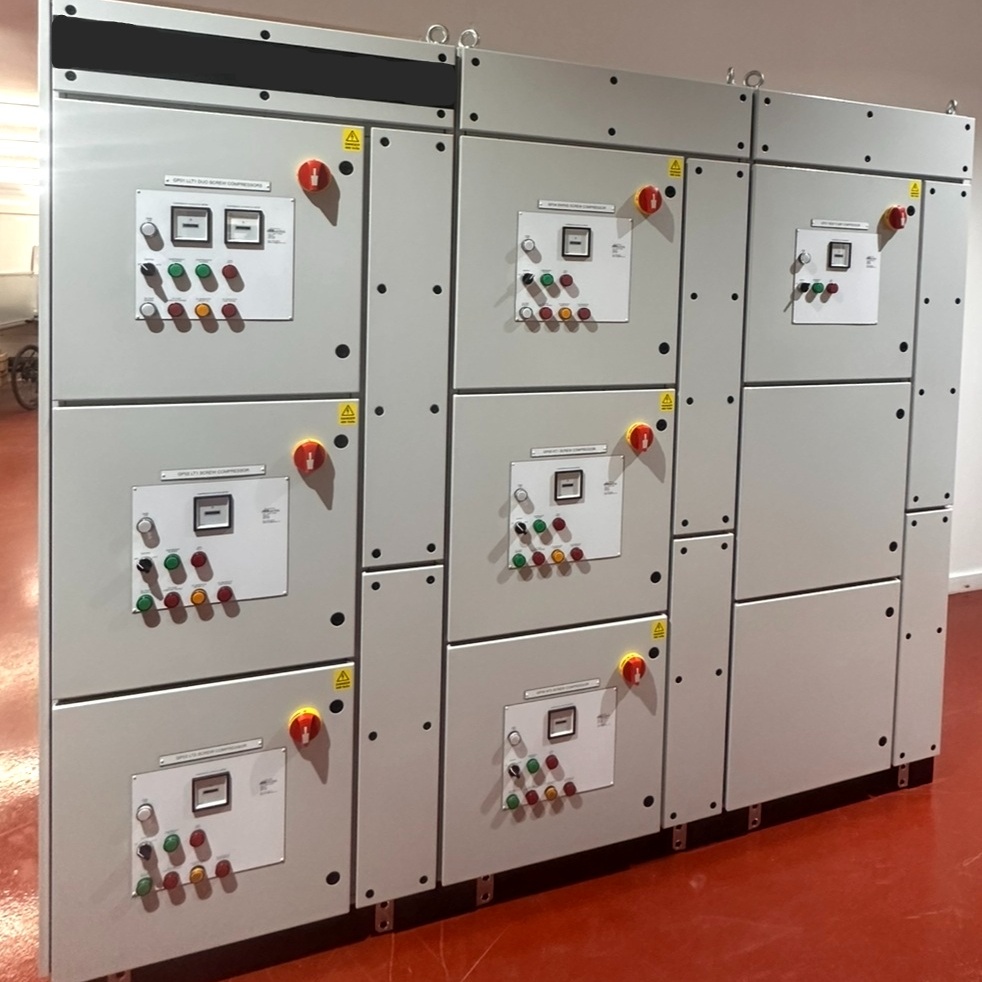
Critical Spares Strategy & Management: The Complete Guide
Unplanned downtime often comes down to one missing component. Learn how to build a critical spares strategy that protects uptime and reduces risk.
Temperature Probe Calibration Procedure: Professional Service Guide
Complete walkthrough of professional temperature probe calibration procedures from assessment through certification for regulatory compliance.
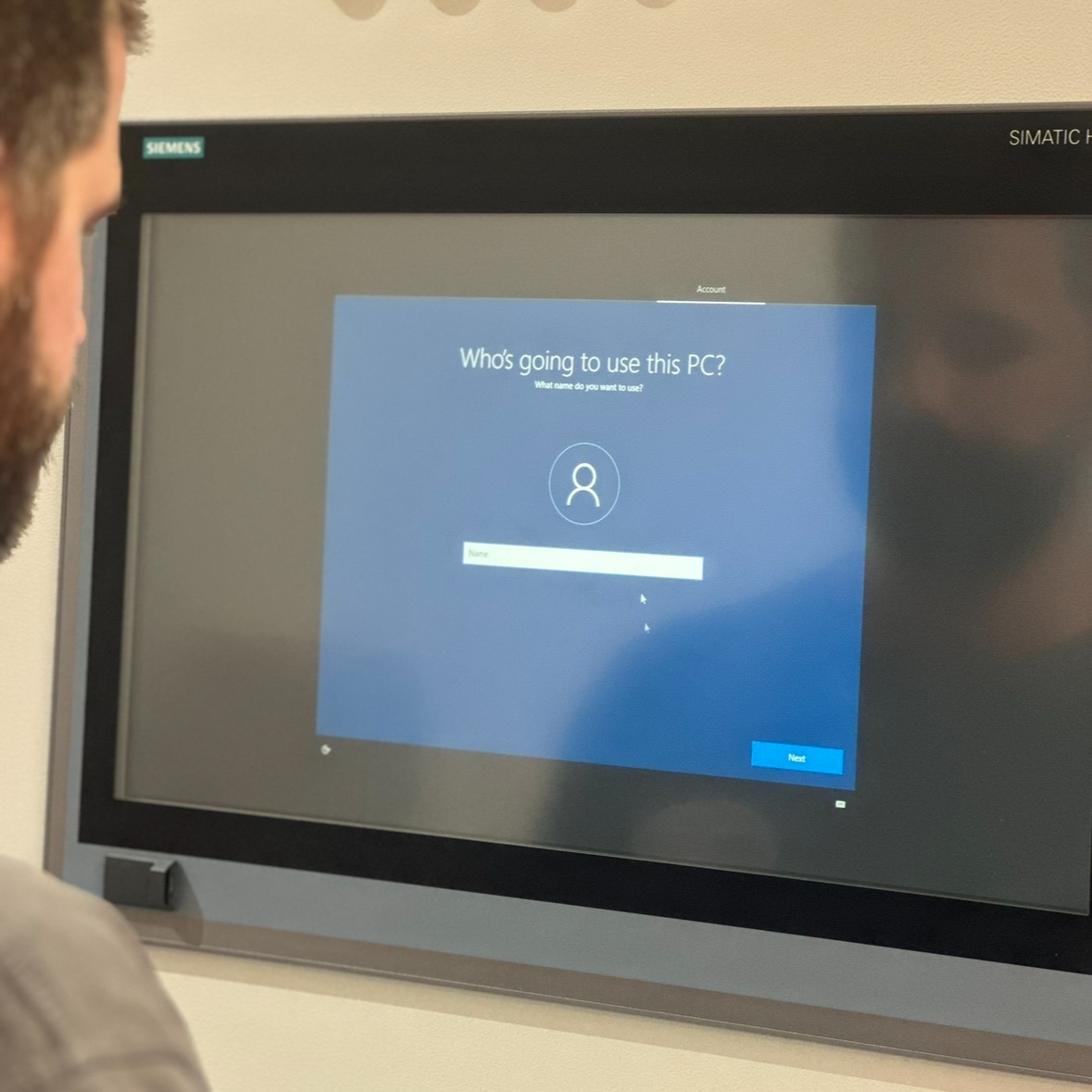
What Is Temperature Probe Calibration and Why It Matters
Temperature probe calibration prevents regulatory violations and costly failures by ensuring measurement accuracy across industrial monitoring systems.
Temperature Probe Calibration: The Complete Guide for Industrial Accuracy
Ensure your temperature probes deliver precise readings. This guide covers calibration methods, compliance, and preventive maintenance for industrial systems.
UK Regulatory Qualification for Panel Manufacturers: Five Credentials to Verify
Five UK regulatory credentials every panel manufacturer tender should evidence against official source — NICEIC, UKCA, BS 7671, DSEAR/ATEX, insurance.
How to Qualify a Control Panel Manufacturer: A Framework for Tender Evaluation
Specification alone does not separate capable panel manufacturers from inadequate ones. Five qualification questions that apply to any tender.
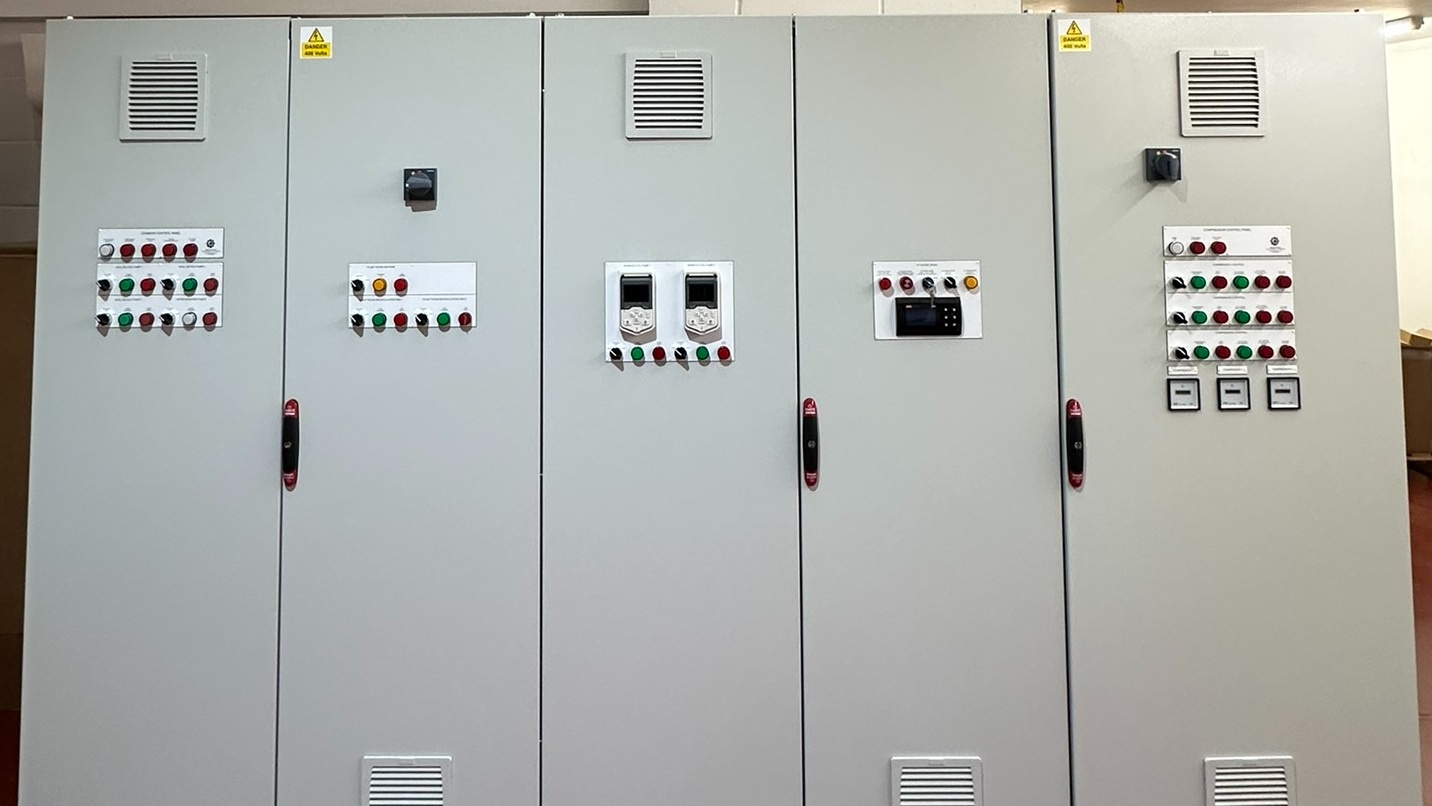
Electrical Control Panels Explained: Types, Standards & Applications
Motor control centre, process, distribution, or safety panel - choose the right architecture at specification stage.
Industrial Control Panels: The Complete Guide for Reliability and Compliance
Control panels are the backbone of industrial operations. Learn how to design, maintain, and future-proof them for compliance, uptime, and reliability.

Cyber Security Risks for Industrial Control Systems (2026/27 Regulations)
Reduce ICS cyber risk and compliance exposure with practical OT controls built for uptime, safety, and audit readiness.
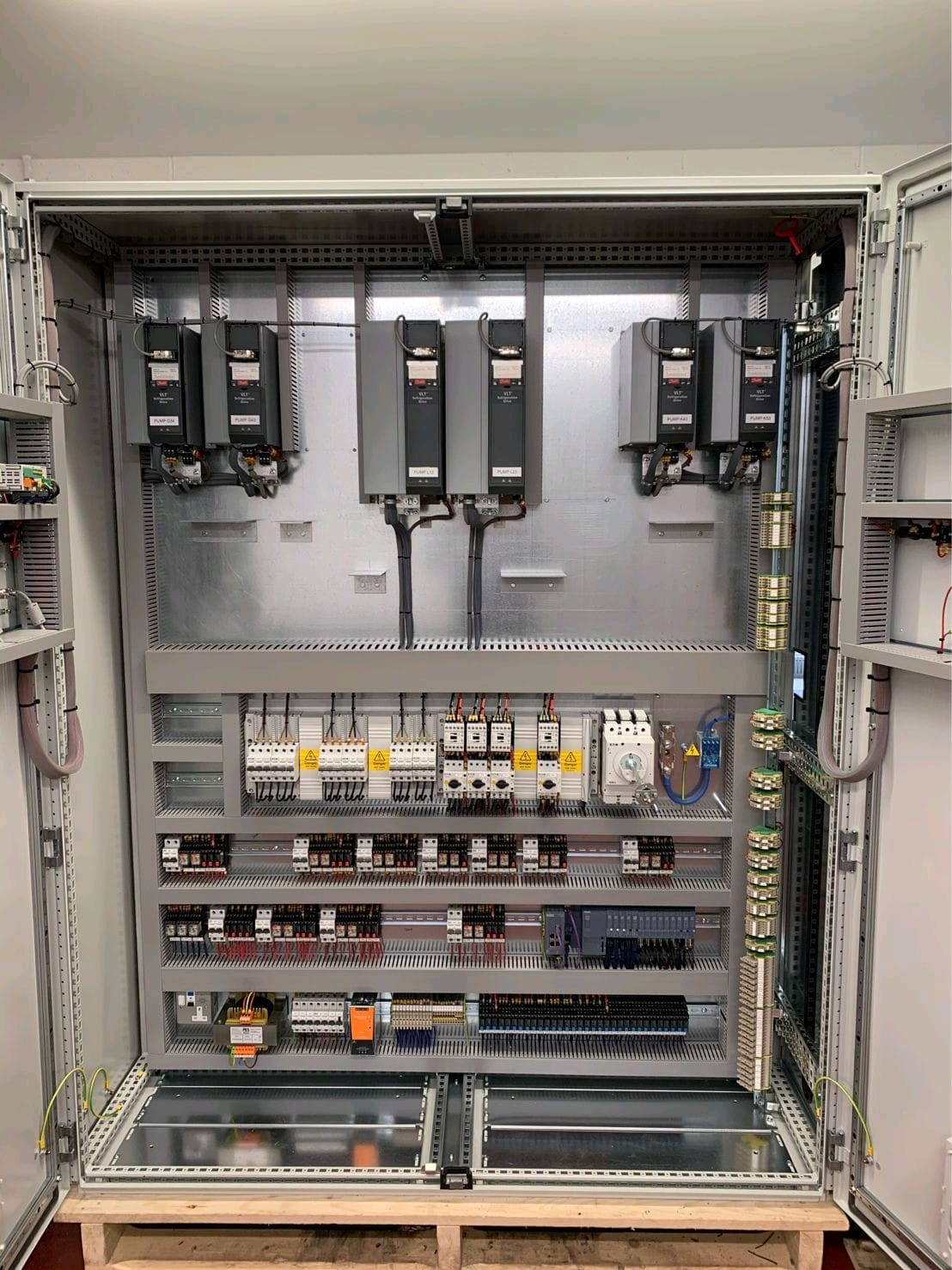
How Modern Control Panels Improve Uptime
Modern control panels reduce downtime risk by improving fault containment, diagnostics, and compliance in industrial environments.
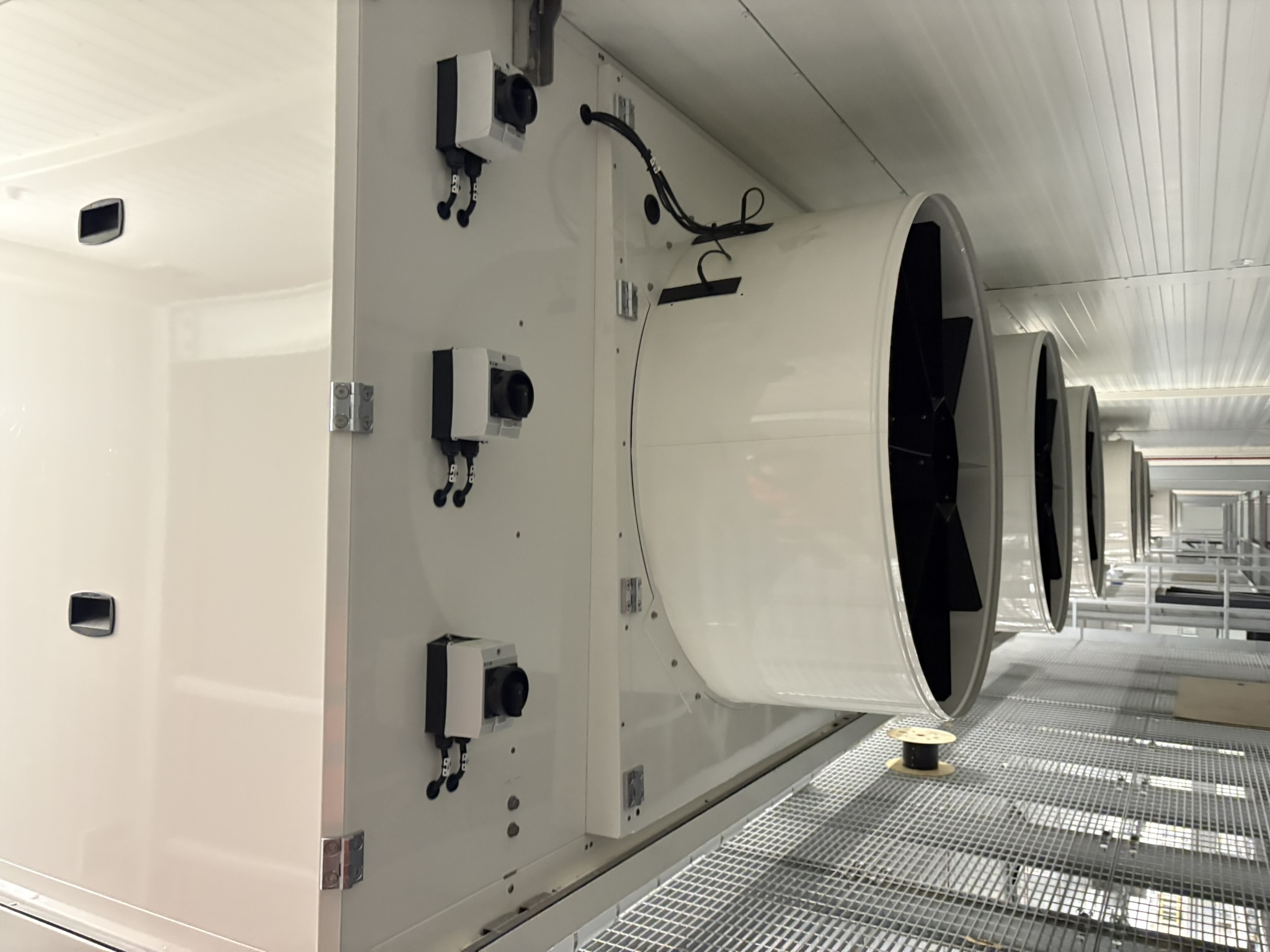
Designing Electrical Systems for Temperature-Critical Environments
Design electrical systems that protect temperature-critical operations, prevent downtime, and stay compliance-ready in food and cold storage sites.
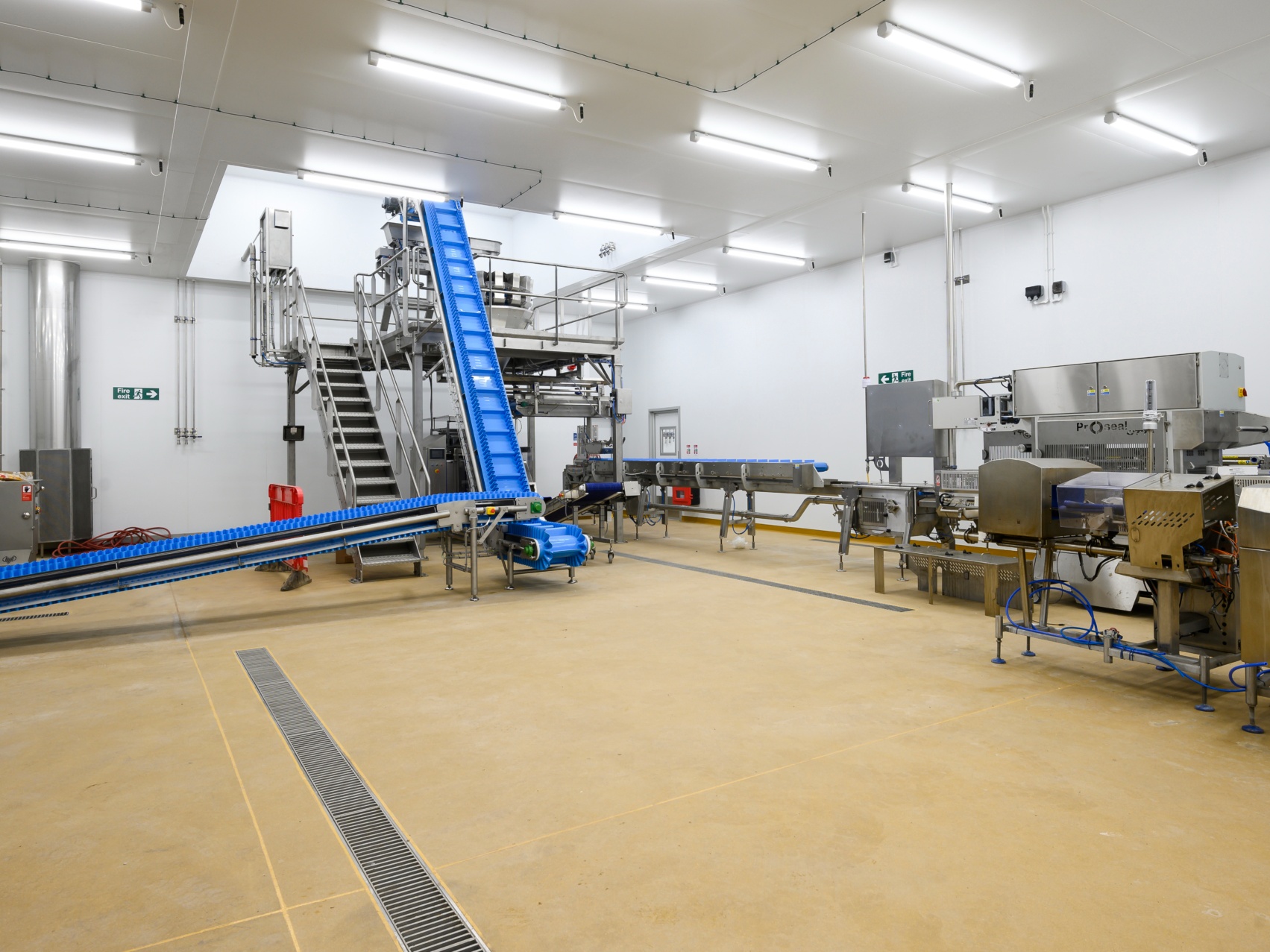
How Automation Enhances Automation Food Safety Compliance
Food safety compliance depends on control, traceability, and rapid response. Learn how automation reduces risk, improves uptime, and strengthens audit confidence.
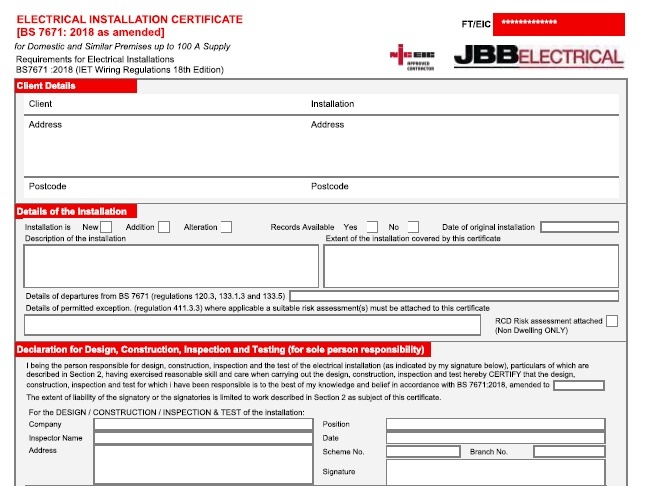
Electrical Testing vs EICR: What Industrial Sites Need to Know
Electrical testing and EICRs are often confused. Learn what industrial sites must do to stay compliant, reduce downtime, and manage electrical risk.
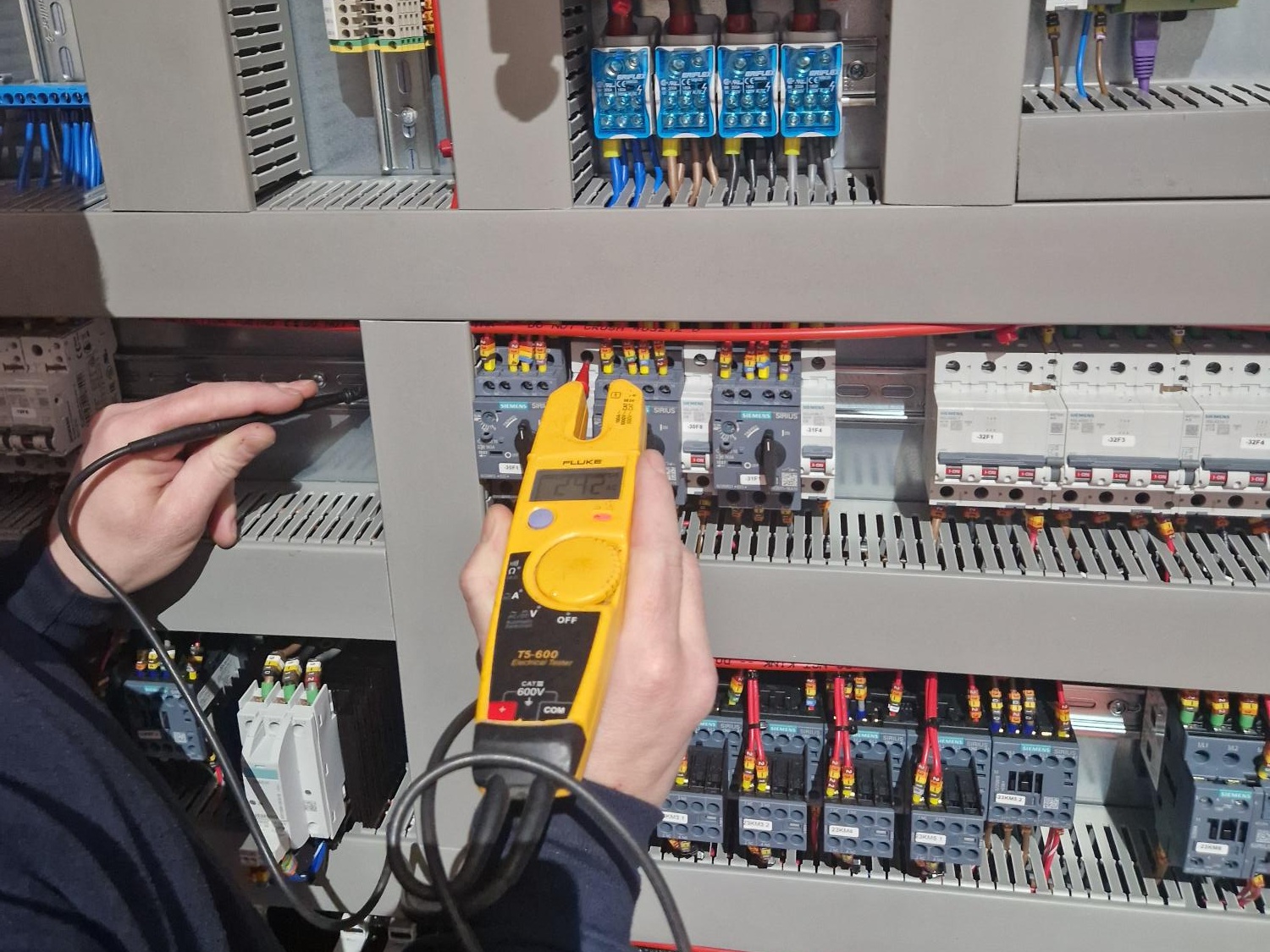
Reducing Downtime with Preventive Maintenance Scheduling
Unplanned downtime is rarely accidental. Learn how structured preventive maintenance scheduling protects uptime, compliance, and operational reliability.
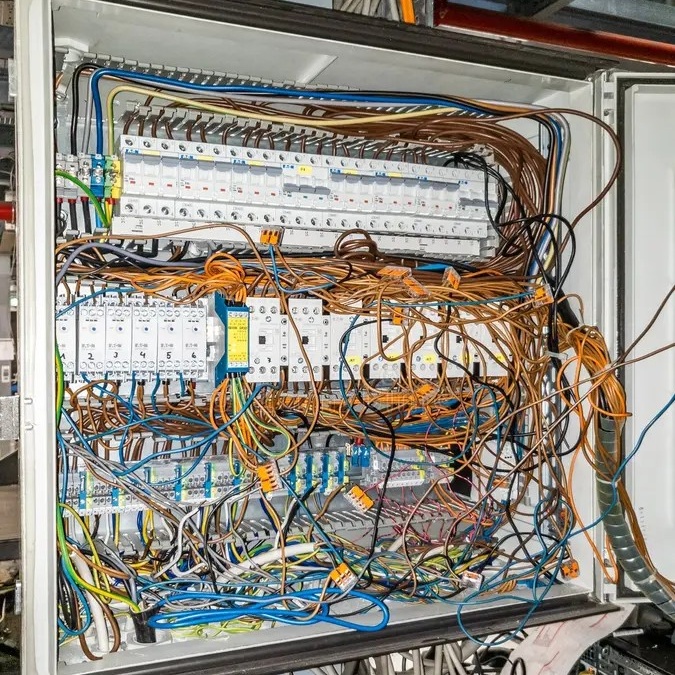
Signs Your Electrical Infrastructure Needs an Upgrade
Ageing electrical infrastructure creates hidden risk long before failure occurs. Learn the warning signs and how to upgrade safely.
Migrating Legacy PLC Systems: A Practical Roadmap
Legacy PLC systems create hidden compliance issues and failure risks. This roadmap explains how to migrate safely without disrupting production.
Documentation Integrity Industrial Electrical: Why It Matters for Systems
Poor documentation is one of the biggest hidden risks in industrial electrical systems. Learn why it matters and how to protect compliance and uptime.
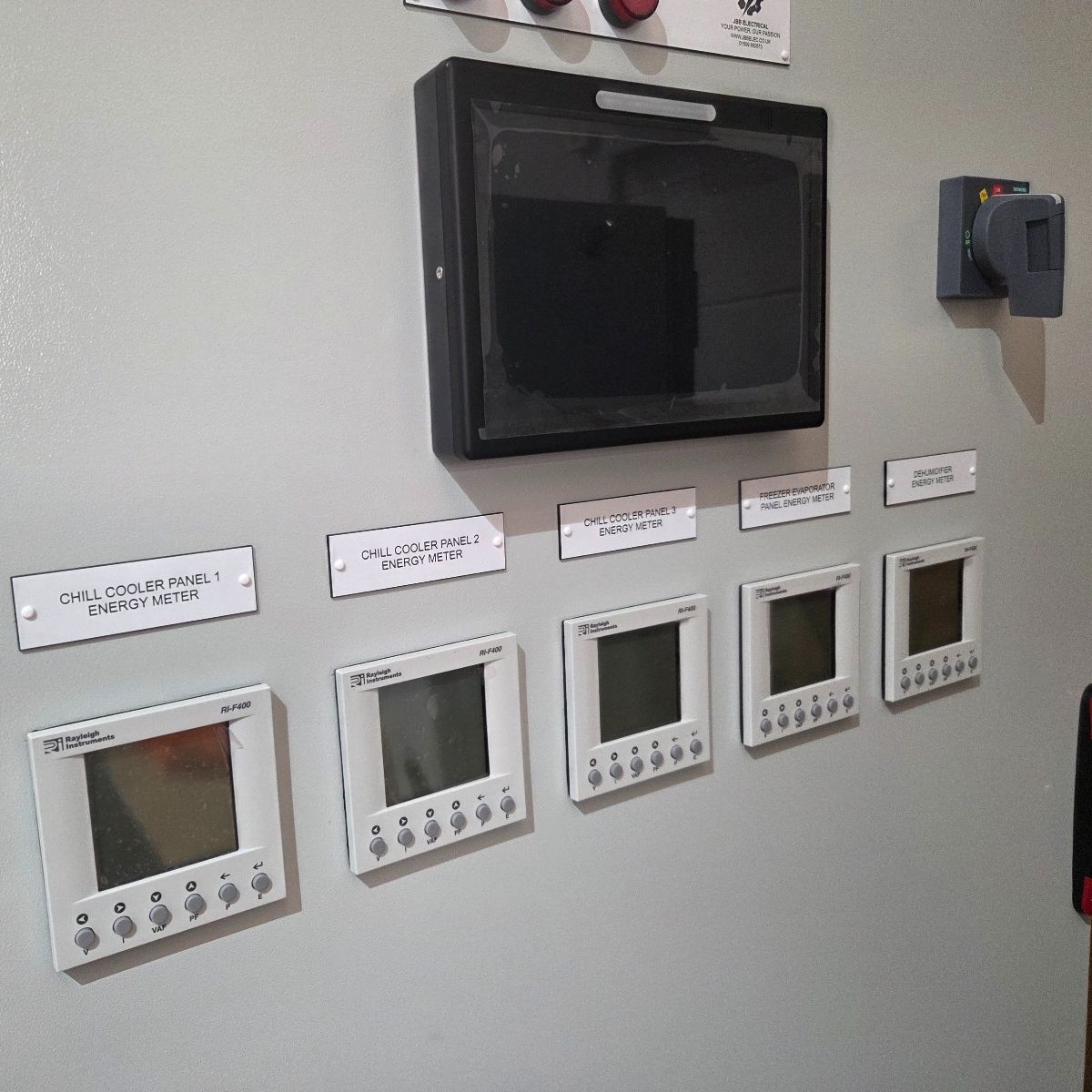
Energy Optimisation for Refrigeration Control Systems
Refrigeration is one of the highest energy loads in industrial facilities. Learn how control system optimisation reduces energy waste without increasing risk.
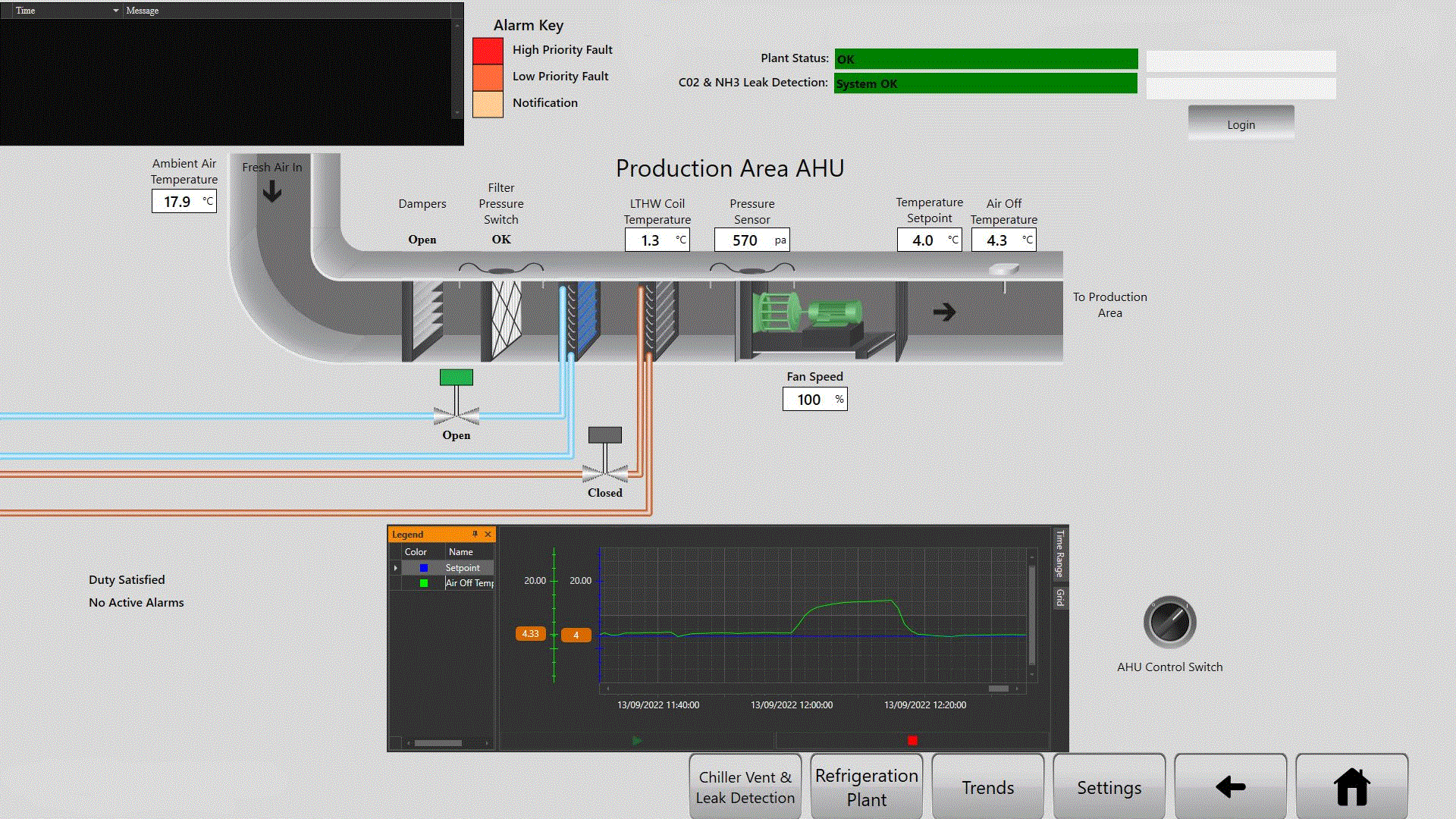
How SCADA Visibility Improves Industrial Operations
SCADA turns hidden process and electrical risk into live visibility. Learn how to use it to improve uptime, compliance evidence, and operational control.
Electrical Compliance Checklist for Food Manufacturing Audits
Failed electrical compliance is a leading cause of audit issues in food manufacturing. This checklist explains what auditors look for and how to stay compliant.
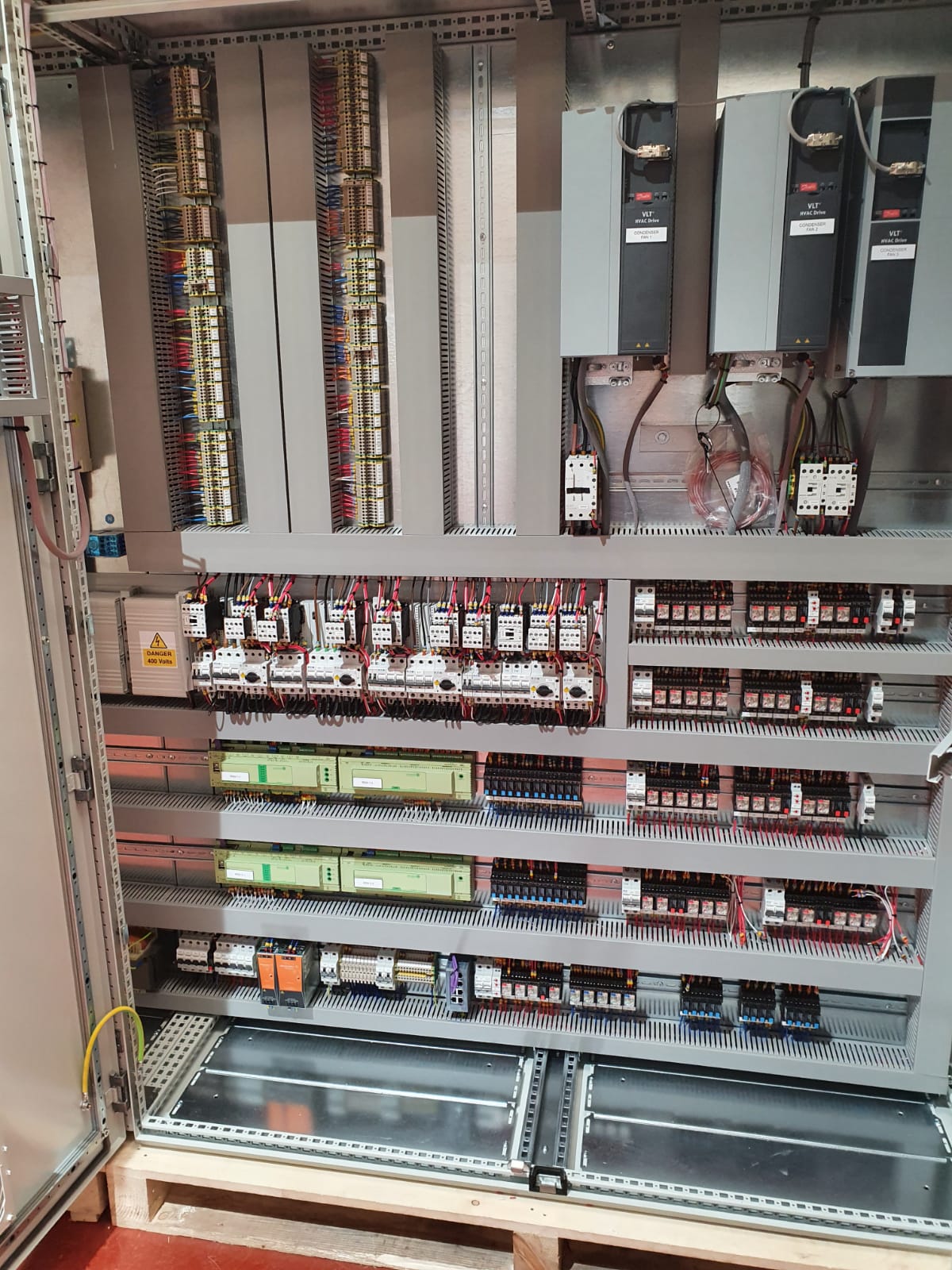
Critical Spares Strategy for Industrial Facilities
A detailed engineering guide explaining how to develop a critical spares strategy for industrial facilities to reduce downtime and protect uptime.
How PLC Failures Lead to Production Downtime
A detailed industrial engineering guide explaining how PLC failures cause production downtime and how to prevent them through compliance, maintenance and modernisation.
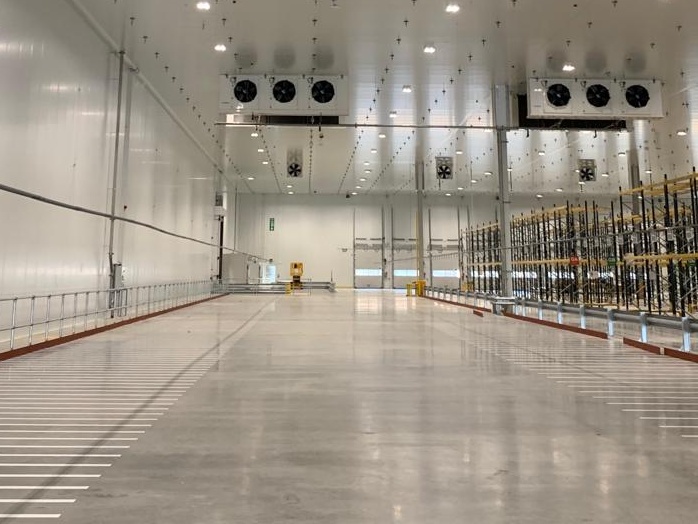
Common Reasons For Temperature Fluctuations in Cold Storage
A detailed engineering guide explaining the common causes of temperature fluctuations in cold storage and how to prevent them through monitoring, maintenance and compliance.
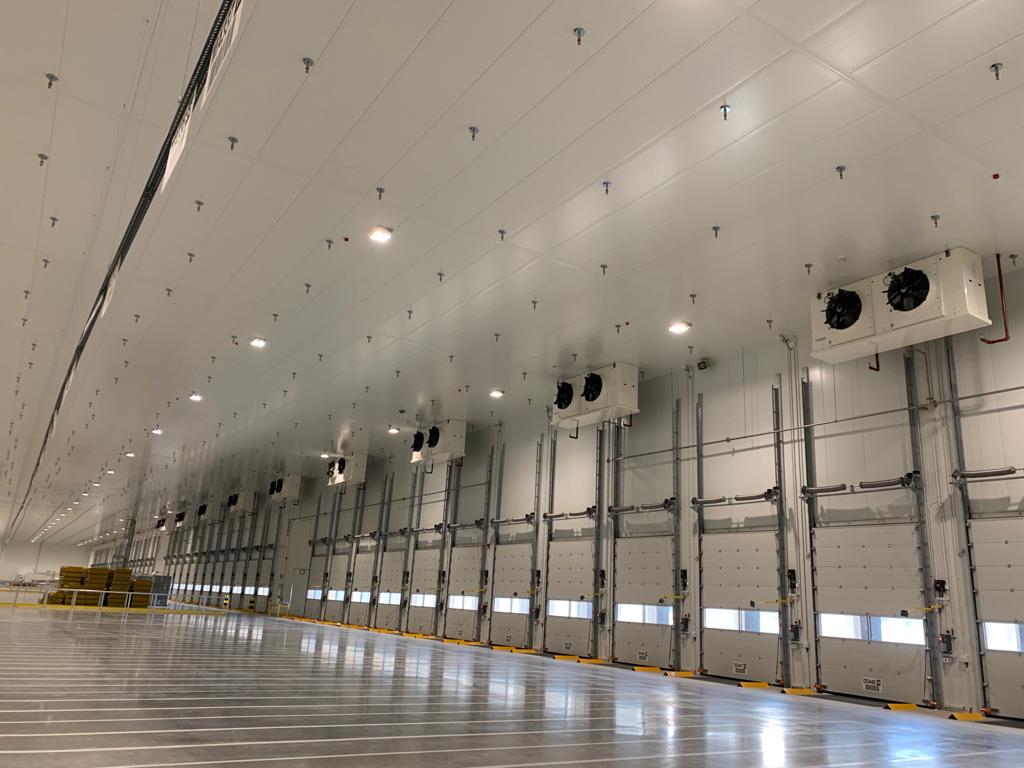
Why Cold Stores Need 24/7 Temperature Monitoring
A detailed engineering guide explaining why cold stores require 24/7 temperature monitoring to protect stock, maintain compliance and reduce breakdown risk.
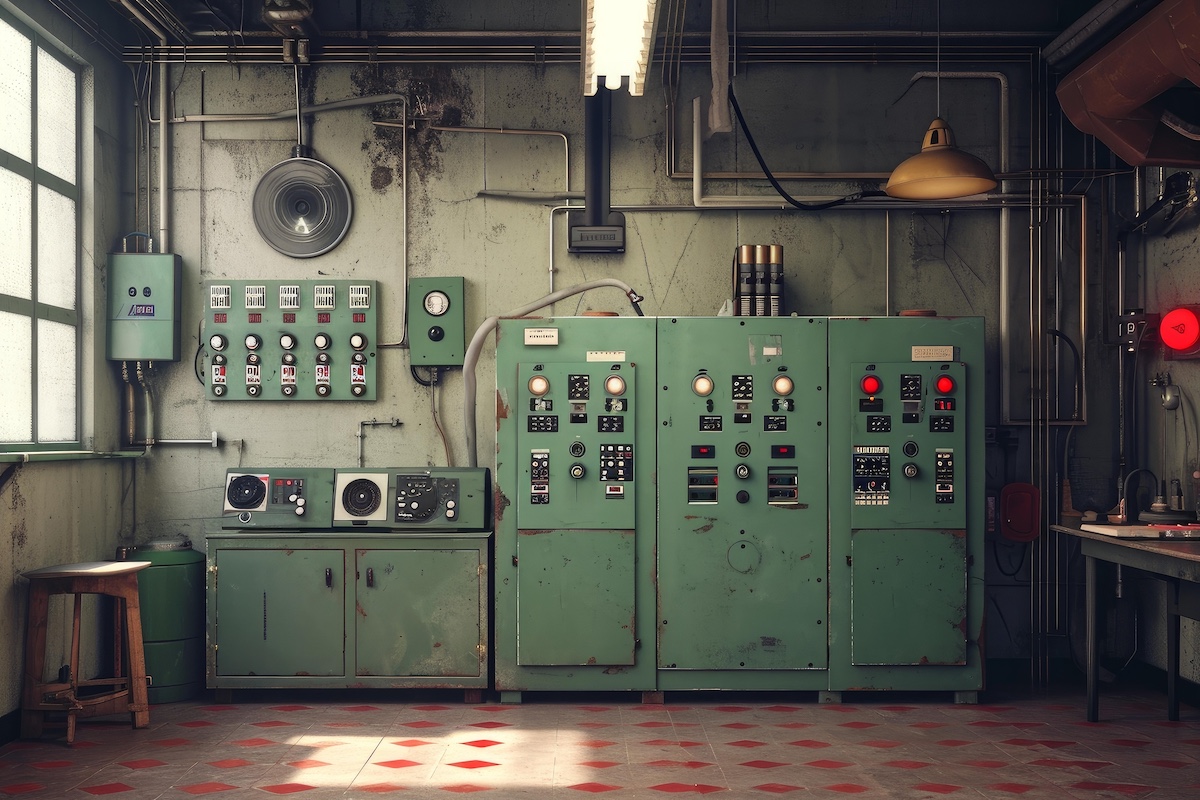
How to Identify End-of-Life Control Panels
A detailed engineering guide explaining how to identify end-of-life control panels, the risks they create, and how to modernise safely for compliance and uptime.
Understanding BS EN 60204-1: Guide for Control Panel Compliance
A comprehensive guide to BS EN 60204-1 control panel compliance, explaining requirements, risks, safety considerations and how to modernise industrial panels.
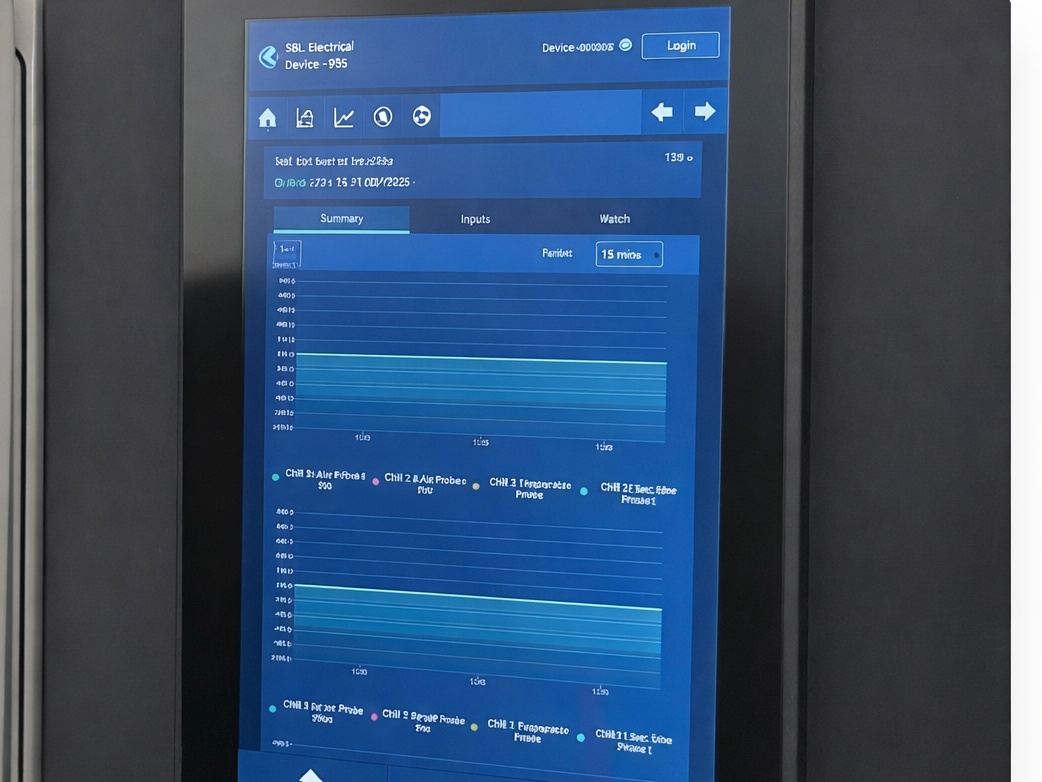
Thermal Imaging Electrical Systems: What It Reveals
A guide explaining what thermal imaging reveals inside industrial electrical systems and how it prevents breakdowns, improves compliance and protects uptime.
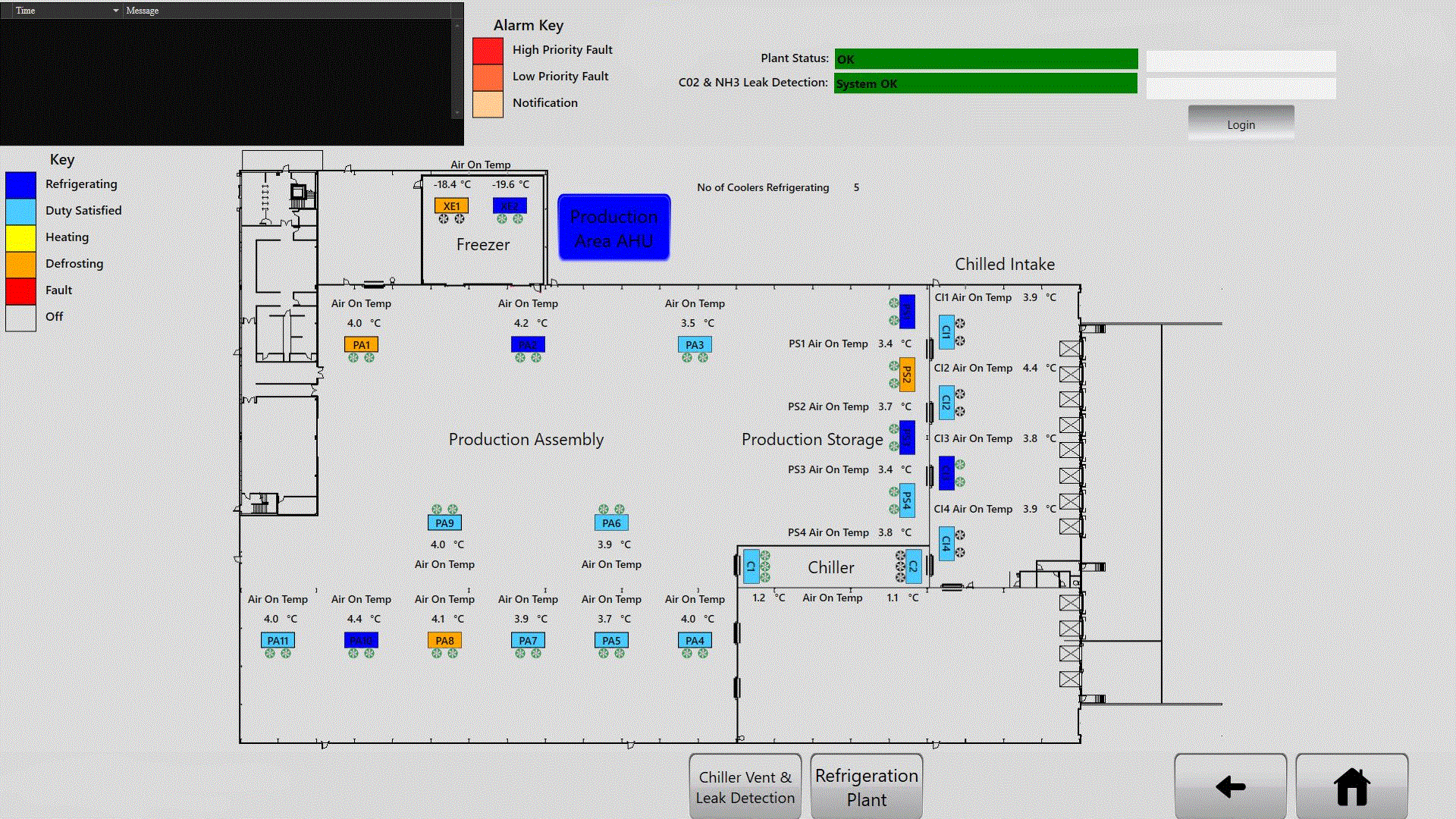
Industrial Automation: Modernising PLC, SCADA & Control Systems
A guide for upgrading PLC, SCADA and industrial control systems to improve compliance, reliability and uptime in production-critical environments.
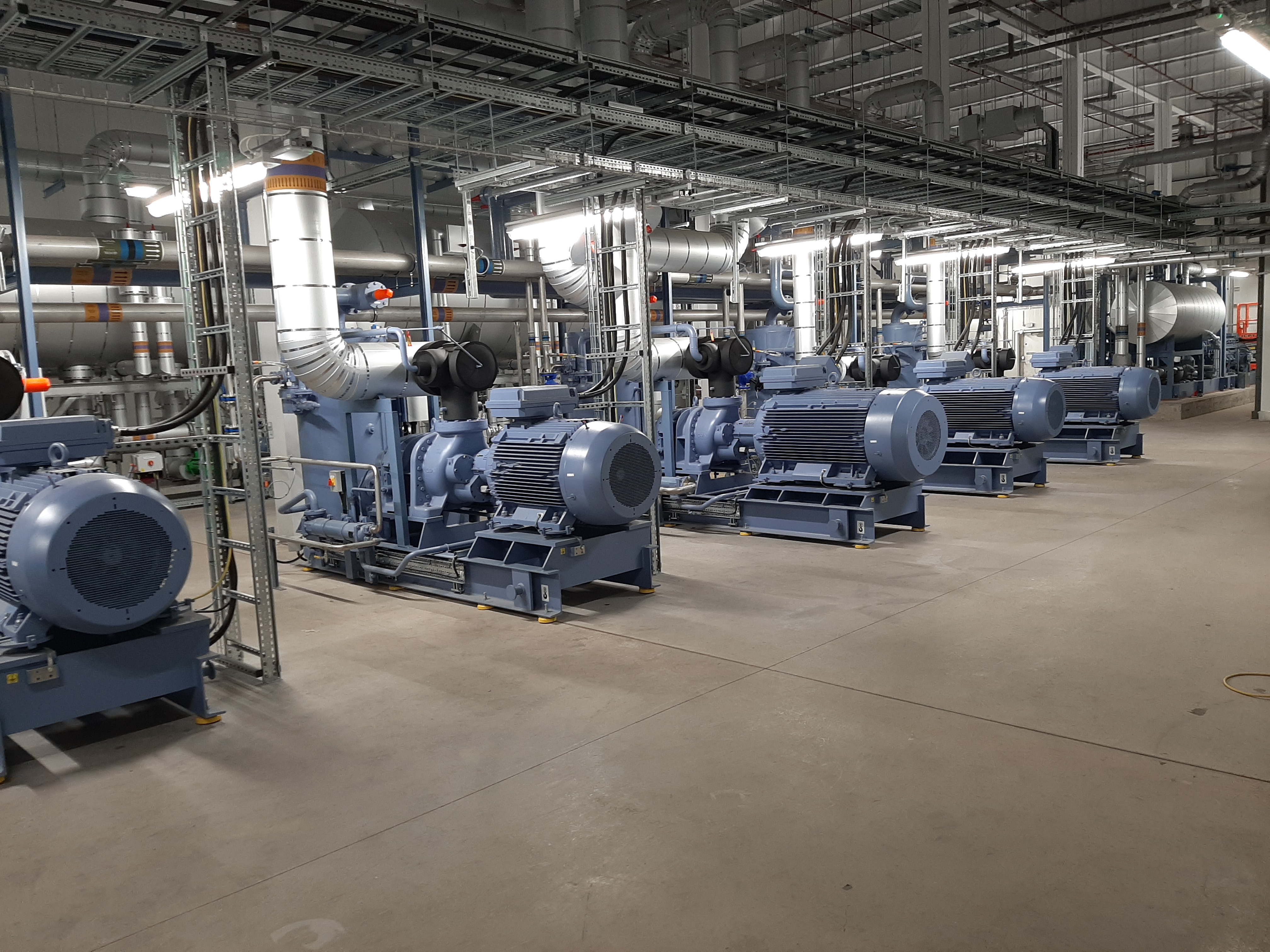
Preventive Electrical Maintenance for Food Manufacturing
Unplanned electrical failures in food plants threaten product, compliance, and uptime. This guide shows how structured preventive maintenance protects your production.
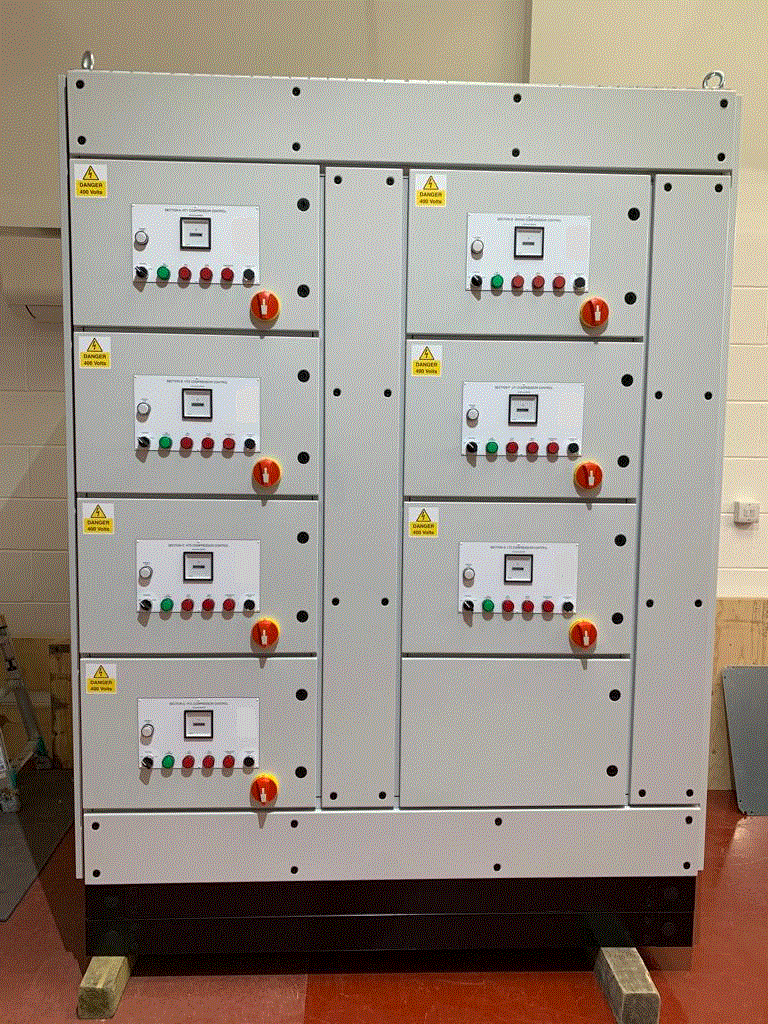
How to Specify and Modernise Industrial Control Panels
A practical engineering guide to specifying and modernising industrial control panels, improving compliance, uptime, documentation quality, and long-term reliability.
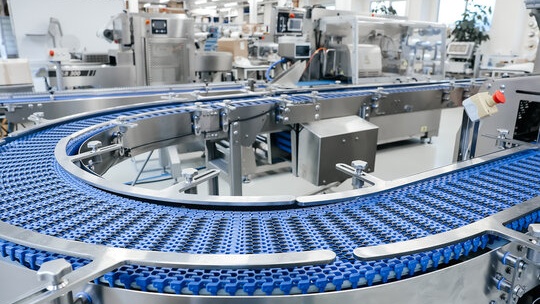
Electrical Safety Compliance in Food Manufacturing: What Auditors Look For
Electrical safety compliance in food manufacturing is not just about passing an audit. It is about protecting uptime, preventing product loss, and modernising high risk electrical infrastructure.
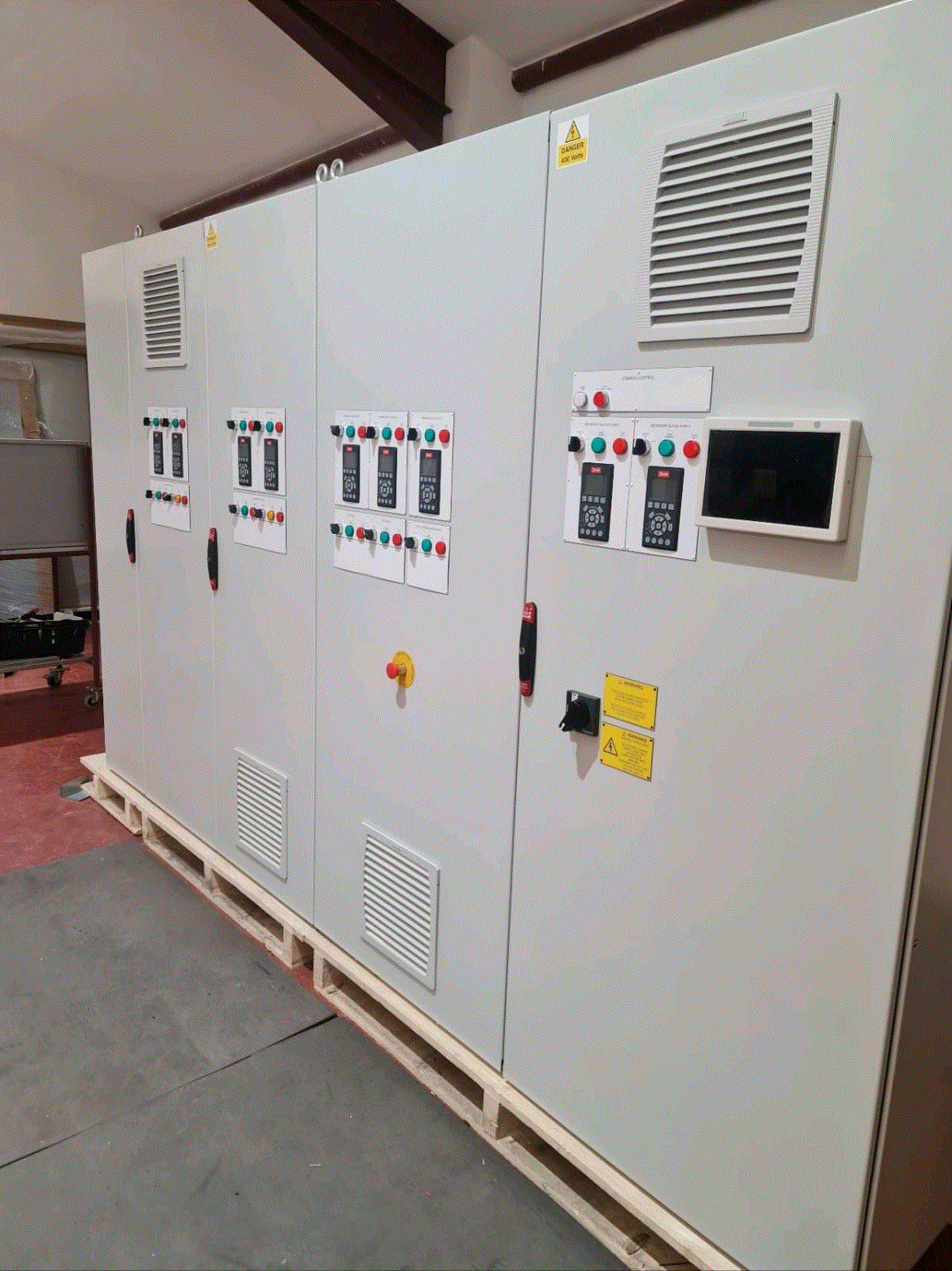
Why Industrial Circuit Breakers Trip in Industrial Systems: Why It Happens
Discover why industrial circuit breakers trip, from overloads and loose connections to ageing systems and how preventive maintenance keeps your operation safe.
Frequently Asked Questions
Quick answers to common questions about electrical compliance, maintenance, and our services

Free Three-Stage Compliance & Breakdown Prevention Service
Prepare yourself to avoid breakdowns of your electrical infrastructure with our free comprehensive control systems assessment - worth £2,395, offered complimentary with no obligation.
Whether you're an existing customer or someone we've haven't worked with before, we're offering a thorough analysis of your electrical control systems with strategic recommendations tailored to your operation. This isn't a sales pitch - it's genuine value designed to help you make informed decisions about your critical infrastructure.
PLC & Software Health Check
- Hardware lifecycle & manufacturer support verification
- Software obsolescence risk assessment
- Site team consultation on operational concerns
- Critical systems vulnerability assessment
Panel Inspection & Safety Review
- Visual condition assessment of all components
- Thermal imaging to detect heat buildup risks
- Schematic documentation verification
- Panel organisation & maintenance accessibility review
Key Recommendations Report
- Critical spares strategy & availability analysis
- Cyber security vulnerability assessment (2026/27 compliance)
- Energy monitoring & consumption optimization
- Phased upgrade roadmap with budget considerations