In industrial facilities, electrical infrastructure rarely fails without warning. Long before a catastrophic outage, fire risk, or compliance failure, systems begin to show subtle signs of strain: rising fault frequency, unexplained trips, thermal stress, documentation gaps, and increasing dependence on temporary fixes.
Upgrading electrical infrastructure in 2026 is driven by full electrification transitions, increasing technological demands, and stricter regulatory standards.
Because electrical infrastructure operates quietly in the background, these warning signs are often normalised. Production continues, resets become routine, and workarounds are accepted as part of daily operation. Over time, risk accumulates unnoticed until a failure forces urgent and expensive action.
This article explains the practical signs that your electrical infrastructure needs upgrading, why these indicators matter, how they affect compliance and uptime, and how planned engineering intervention improves safety, reliability, and long-term operational performance in industrial environments, where reliable and safe electrical infrastructure is crucial.
💡 Key Insight: Electrical infrastructure upgrades are most effective when driven by early warning signs, not by failure.
What Electrical Infrastructure Really Includes
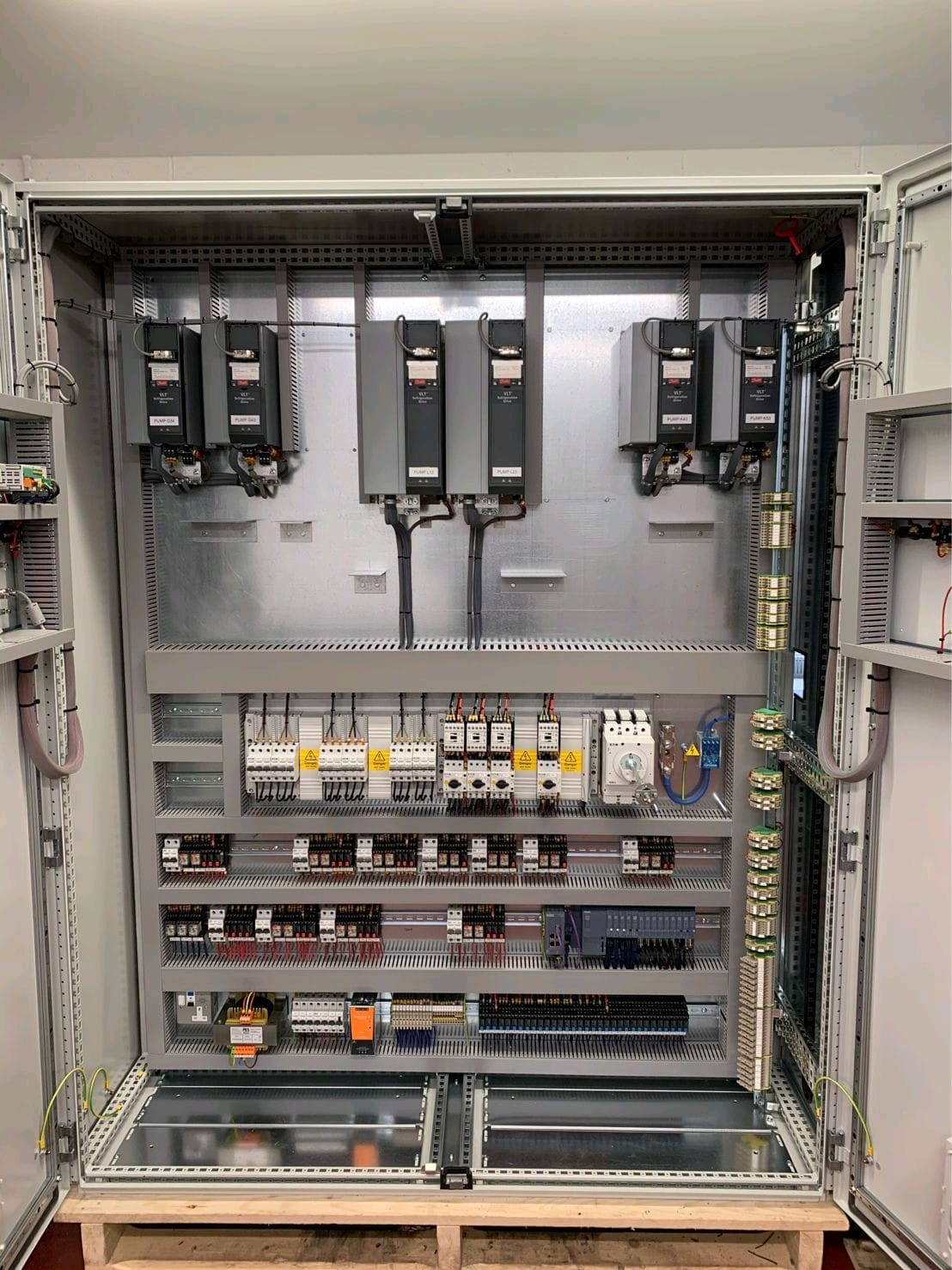
Electrical infrastructure in industrial facilities extends far beyond visible switchgear and distribution boards. It includes all systems responsible for safely distributing, protecting, controlling, and monitoring electrical power from the incoming grid supply to the point of use.
📘 Definition: Electrical infrastructure includes incoming supplies, transformers, main and sub-distribution boards, cabling, cable trays, protection devices, earthing systems, control panels, and associated monitoring and isolation equipment.
Cabling, electrical wiring, and wiring are critical for connecting and supporting the safe and compliant operation of all systems. Electricity is distributed from the grid through the infrastructure to various points of use throughout the facility. Electrical installation design and maintenance are expected to comply with BS 7671 in the UK, and many facility managers now rely on curated electrical guides and resources for industrial compliance and maintenance to interpret and apply evolving standards effectively.
In food manufacturing, cold storage, and process-driven facilities, electrical infrastructure underpins not only production and quality but also electrical safety compliance in food manufacturing.
Production continuity and throughput
Temperature control and product integrity
Automation and control system reliability
Compliance, insurance, and audit readiness
Operation of electrical equipment
Electrical installations in industrial settings are more complex than those in commercial or residential settings, and food sites in particular benefit from using a structured electrical compliance checklist for food manufacturing audits to keep that complexity under control.
Why Electrical Infrastructure Degrades Over Time
Electrical systems are designed for specific loads, duty cycles, fault levels, and environmental conditions. Over time, changing operational demands affect several aspects of infrastructure performance, and load capacity calculations are necessary during upgrades to prevent circuit overloads while the infrastructure itself often remains static.
Common contributors to degradation include:
Incremental production expansion without electrical redesign
Additional machinery connected to existing distribution
Washdown, moisture, heat, and contamination exposure
Ageing insulation, joints, and protective devices
Obsolescence of switchgear and control equipment
To maintain the reliability and security of electrical infrastructure, it is crucial to address these issues proactively. Implementing effective maintenance strategies can help prevent degradation, ensuring that systems continue to perform as intended under their designed conditions. Neglected maintenance can lead to potential hazards such as equipment failure, power outages, or safety risks due to undetected wear and tear or faulty wiring.
⚠ Infrastructure Risk: Electrical systems rarely fail just because they are old. They fail because they are asked to do more than they were designed to do.
Regular inspections and maintenance of electrical systems are essential to ensure safety and reliability.
Commercial Electrical Considerations
Commercial electrical considerations are fundamental to the reliable performance and safety of electrical systems in industrial facilities. Every stage of an electrical installation—from initial design to ongoing maintenance and eventual upgrades—demands careful planning and adherence to strict electrical standards. Industrial electrical installations are complex, powering everything from heavy machinery and process equipment to lighting and emergency systems.
A robust electrical system is essential for maintaining a continuous power supply, minimising downtime, and protecting both personnel and assets from electrical hazards. Electrical engineering principles guide the design and implementation of these systems, ensuring that each component—from circuit breakers and fuses to control panels and emergency lighting—works together to deliver safe, reliable power throughout the facility.
Sign 1: Increasing Frequency of Electrical Trips and Faults
A rising frequency of electrical trips is one of the clearest indicators that infrastructure is under strain. These events are often treated as isolated nuisances, but patterns matter.
Warning indicators include:
Circuit breakers tripping more often under load
Resetting protective devices becoming routine practice
Trips coinciding with peak production or startup sequences
Monitoring electrical current during these events is crucial for diagnosing the underlying causes of trips and faults, such as voltage spikes or system faults, and helps maintain electrical system stability.
❌ Common Mistake: Resetting protective devices without investigating why they are operating.
Repeated trips often indicate overloaded circuits, poor discrimination, deteriorating insulation, or inappropriate protection settings. These are infrastructure limitations, not operational inconveniences.
Sign 2: Evidence of Overheating and Thermal Stress
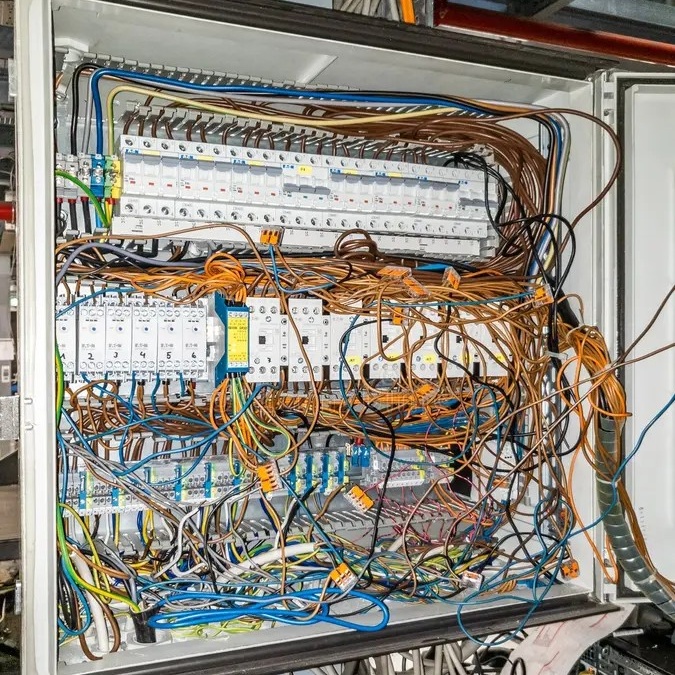
Heat is one of the most reliable indicators of electrical distress. Overheating components signal resistance, overloading, or degraded connections long before visible failure occurs. Factories are particularly vulnerable to overheating issues due to the high density of machines and electrical loads.
Typical warning signs include:
Discoloured cables, terminals, or busbars
Burn marks or insulation damage inside panels
Enclosures that are hot to the touch
Thermal imaging hotspots during inspections
❗ Important: Overheating is both a reliability risk and a fire risk. It can affect the reliable operation of machines and should always trigger investigation and corrective action.
Sign 3: Infrastructure Operating Beyond Original Design Assumptions
Many industrial electrical systems are still operating on assumptions made decades ago. In manufacturing plants, evolving industrial processes often lead to increased demand, putting additional strain on existing infrastructure. Production volumes increase, processes change, and energy demand grows, but the underlying infrastructure remains unchanged.
Indicators of design overreach include:
Distribution boards operating near maximum capacity
Little or no spare capacity for new equipment
Voltage drop under load
High fault levels stressing protective devices
💡 Key Insight: Infrastructure that “just copes” leaves no margin for fault conditions, expansion, or safe isolation.
Sign 4: Ageing or Obsolete Switchgear and Components
Age alone does not mandate replacement, but ageing infrastructure significantly increases risk when combined with obsolescence.
Obsolescence risks include:
Protective devices no longer manufactured
Limited availability of replacement breakers or fuses
Switchgear that does not meet current standards
Inability to test or verify protection settings
Obsolete switchgear can compromise the safe operation of industrial equipment, especially in facilities where complex power distribution systems are required, and similar risks apply to control panel compliance and BS EN 61439 maintenance when panels are modified without disciplined engineering oversight.
🔧 Example: A main distribution board uses obsolete MCCBs. A single failure now risks extended downtime while second-hand or incompatible replacements are sourced. Leading to non compliance.
Sign 5: Growing Reliance on Temporary Fixes and Workarounds
Temporary fixes are sometimes unavoidable, but they should sit within clear procedures rather than drift into permanent features of the installation. The problem arises when these fixes become permanent features of the installation. Proper engineering solutions play an important role in maintaining system integrity and safety, as opposed to relying on temporary fixes.
Common red flags include:
Temporary cabling left in service
Bypassed protective devices or interlocks
Non-standard modifications
“Known issues” managed through procedure rather than engineering
⚠ Hidden Risk: Workarounds often bypass the very protections designed to keep systems safe and compliant.
Sign 6: Increasing Difficulty Passing Electrical or Insurance Audits
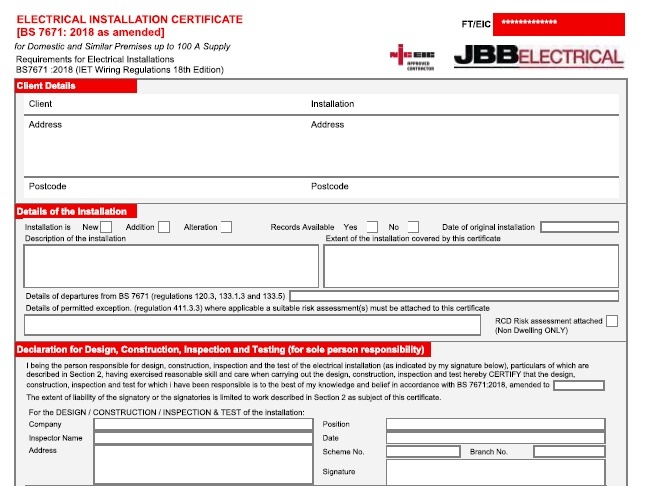
Audit friction is a strong indicator of infrastructure risk. While auditors rarely demand immediate replacement, repeated observations and recommendations signal that systems are approaching unacceptable levels of risk. As part of formal compliance reviews, qualified electricians normally carry out Electrical Installation Condition Reports (EICR), and understanding electrical testing and EICR requirements for industrial sites is key to interpreting what those reports really say about infrastructure health.
Effective management of documentation and compliance is essential for passing audits and minimising audit friction.
Typical audit concerns include:
Outdated or missing test reports
Inadequate labelling or isolation
Non-compliant distribution arrangements
Unsupported or poorly documented equipment
EICR findings are usually classified as C1, C2, or C3, and portable appliance testing schedules depend on equipment type and the operating environment.
ℹ Audit Reality: Repeated advisory notes usually precede enforced remedial action.
Sign 7: Electrical Issues Driving Downtime and Maintenance Burden
When electrical issues increasingly drive downtime, maintenance cost, or production disruption, infrastructure limitations are often the underlying cause, and repeated downtime can have serious consequences for companies beyond maintenance cost alone. For businesses, such electrical issues can disrupt operations, resulting in both operational and financial consequences.
Indicators include:
Electrical faults dominating breakdown logs
Long fault-finding times
Reactive maintenance is overwhelming planned work
Lighting Systems as a Hidden Weak Link
Lighting systems are often overlooked in industrial electrical installations, yet they can represent a hidden weak link that undermines both safety and productivity. Inadequate or poorly maintained lighting can create electrical hazards, increase the risk of accidents, and drive up energy costs—all of which impact the reliable performance of industrial facilities.
Effective lighting systems must be tailored to the specific needs of each facility, considering factors such as required illumination levels, colour temperature, and energy efficiency. For example, LED lighting has become a preferred choice in industrial environments due to its long lifespan, low maintenance requirements, and significant energy savings that can help reduce energy bills. Lighting upgrades should still be assessed within the wider building environment and maintenance regime.
Infrastructure Failure Escalation If Upgrades Are Delayed
Delaying infrastructure upgrades does not freeze risk; it compounds it. As systems age and operate beyond design limits, failure modes become more severe and less predictable. Maintaining electrical reliability is key to preventing minor faults from escalating into major failures.
Escalation typically follows this path:
Minor faults and nuisance trips
Thermal stress and insulation degradation
Protective device failure or misoperation
Extended outages or safety incidents
❗ Important: Emergency infrastructure replacement is always more expensive and disruptive than planned upgrade.
How Modern Electrical Infrastructure Improves Reliability
Modern electrical infrastructure is not just more compliant - it is more resilient, diagnosable, and adaptable across its working life, significantly improving electrical system reliability for businesses that rely on continuous, dependable power for their operations.
Modern systems incorporate advanced safety features like Arc Fault Circuit Interrupters (AFCIs) and Ground Fault Circuit Interrupters (GFCIs), greatly reducing the risk of electrical fires and shocks.
Upgraded systems provide a buffer zone of ideally 25–30% extra capacity, allowing for future equipment or staff expansion without further investment.
An upgraded electrical system supports high-tech machinery and future expansion, providing the necessary capacity and flexibility without strain.
Modern systems can cut electricity costs by 20–30% on average due to efficiency improvements and smart technologies.
Upgrading infrastructure ensures a stable and reliable power supply, protecting sensitive electronic equipment and supporting uninterrupted operations.
Advanced Power Control Systems (PCS) allow businesses to rely on existing infrastructure more fully, potentially avoiding expensive upgrades when adding new loads.
New components and smart technologies can lead to lower utility bills and operational costs by optimising power consumption.
Improved discrimination and fault coordination.
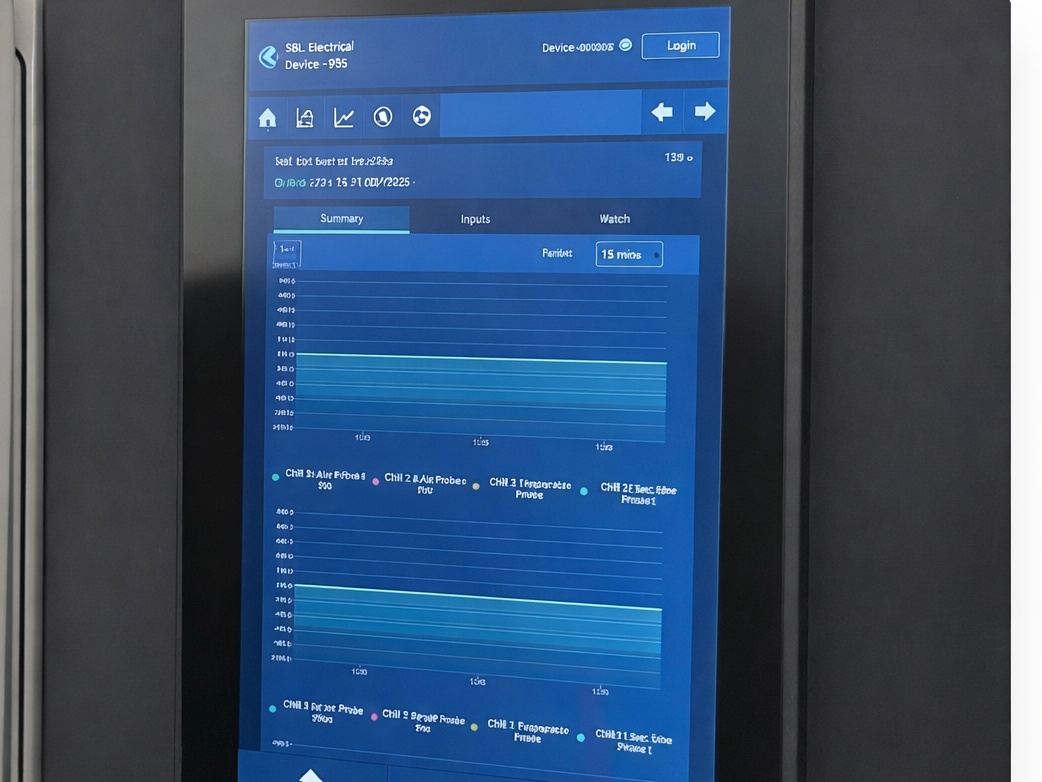
Enhanced monitoring and diagnostics.
Reduced energy losses.
Greater capacity for expansion.
Integration of renewable energy sources, such as solar panels, can further improve efficiency and sustainability.
Modernised systems can also improve property value and may help lower insurance premiums.
Preventive Measures That Identify Upgrade Needs Early
☑ Infrastructure Health Checklist
Regular electrical inspection and testing
Thermal imaging surveys
Load studies and capacity reviews
Documentation and labelling audits
Lifecycle and obsolescence planning
Applying the JBB Engineering Framework
📋 JBB – Assess → Modernise → Protect → Prevent → Support
Assess – Identify infrastructure risk and constraints
Modernise – Upgrade ageing or overloaded systems to ensure they perform reliably and efficiently after implementation
Protect – Improve protection, isolation, and compliance
Prevent – Implement structured inspection and monitoring
Support – Provide ongoing lifecycle and compliance support
From Warning Signs to Planned Infrastructure Upgrades
Recognising the signs that electrical infrastructure needs upgrading allows organisations to start taking action before failure forces emergency decisions, moving from reactive firefighting to planned, controlled electrical infrastructure upgrades.
When upgrades are driven by evidence rather than crisis, they help systems continue operating safely throughout their working life while delivering safer operations, stronger compliance outcomes, and long-term confidence.
Request a Compliance and Breakdown Prevention Assessment
If you recognise one or more of the warning signs outlined above, a structured assessment will clarify risk levels, upgrade priorities, and practical next steps.
JBB Electrical’s Compliance and Breakdown Prevention Assessment identifies infrastructure weaknesses, compliance exposure, and engineering solutions aligned to your operational needs.
Request a Compliance and Breakdown Prevention Assessment to move from ageing infrastructure to resilient, compliant systems.
Frequently Asked Questions
What risks does ageing electrical infrastructure create?
Ageing infrastructure increases the risk of faults, overheating, non-compliance, and unplanned downtime. It also raises potential hazards such as electrical fires, shocks, and equipment failure. Additionally, it limits flexibility and increases reliance on temporary fixes.
How does compliance influence infrastructure upgrades?
Compliance standards require safe, testable, and maintainable systems. Adhering to these standards is essential for maintaining electrical safety, helping to prevent hazards such as electric shock and fires. When infrastructure no longer meets these expectations, upgrades become necessary to protect audit outcomes and insurer confidence.
What preventive measures delay the need for upgrades?
Regular testing, thermal imaging, load monitoring, documentation reviews, and lifecycle planning help identify issues early and extend infrastructure service life safely. Regular maintenance is necessary to maintain the safety and reliability of electrical infrastructure.