In industrial environments, electrical failures rarely begin with sparks, smoke, or sudden equipment collapse. More often, they begin quietly - with missing drawings, outdated schematics, undocumented modifications, and assumptions about how systems are supposed to work.
Documentation integrity is one of the most overlooked aspects of industrial electrical systems. Yet it underpins compliance, safety, uptime, and recovery from failure. When documentation no longer reflects reality, engineers lose visibility, audits become stressful, and minor faults escalate into major operational incidents.
This article explains why documentation integrity matters for industrial electrical systems, what risks poor documentation creates, how auditors assess it, and what engineering strategies protect reliability, safety, and operational performance in compliance-driven environments.
💡 Key Insight: Documentation failures rarely stop production immediately - they amplify every other failure when something goes wrong.
What Documentation Integrity Really Means in Industrial Electrical
Documentation integrity does not simply mean having drawings stored somewhere on a server. It means that documentation accurately reflects what is physically installed, how it is configured, how it behaves, and how it has evolved over time.
Documentation integrity is foundational for operational safety, regulatory compliance, and project profitability in industrial electrical work.
In industrial electrical systems, integrity exists only when documentation and reality are aligned. Once that alignment is lost, documentation becomes misleading rather than helpful.
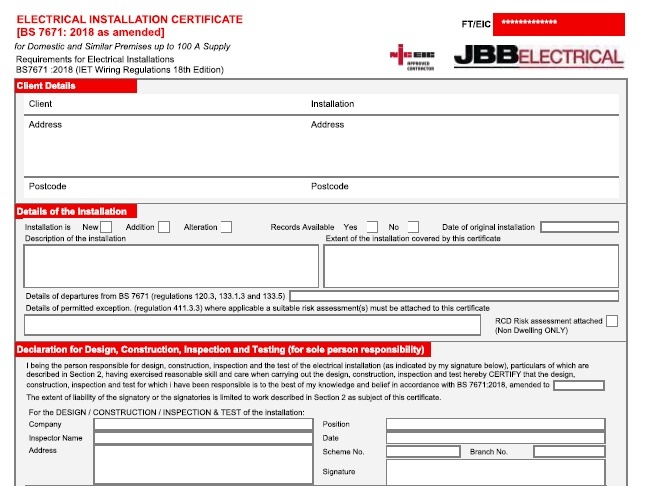
📘 Definition: Documentation integrity is the condition where electrical drawings, schematics, panel layouts, PLC logic, certificates, and maintenance records are accurate, current, traceable, and aligned with the physical system and its operational behaviour. Certificates, such as the electrical installation certificate, are a key part of documentation integrity and are relied upon by technicians to ensure compliance and safety.
Documentation integrity typically covers:
Electrical schematics and single-line diagrams
Control panel layouts, wiring schedules, and terminal references
PLC, HMI, and SCADA programs, tag lists, and backups
Inspection and test certificates (EICRs, machine test records)
Electrical installation certificate (EIC) and other certificates confirming compliance with safety standards
Maintenance records, defect logs, and remedial evidence
Change history, version control, and approval records
Implementing standard templates for technical drawings and change orders ensures uniformity across all project phases.
Every stage of electrical project documentation, from site assessment to maintenance, must be thoroughly documented to maintain integrity. Utilising specialised Electronic Computer-Aided Design tools facilitates precision in documenting complex interactions among components.
How Documentation Drift Develops Over Time
Documentation integrity rarely collapses in one event. It erodes gradually through operational pressure, reactive maintenance, and incremental change.
Common causes of documentation drift include:
Emergency breakdown repairs completed outside normal change processes
Temporary fixes that become permanent solutions
Equipment upgrades without corresponding drawing updates
Third-party contractors modifying systems without documentation handover
Staff turnover resulting in loss of system knowledge
Inaccurate "as-built" drawings can lead to catastrophic errors during repairs due to unmarked or misidentified energised circuits. Each hardware or software update in existing industrial automation systems must be reflected in the electrical schematics to maintain system integrity.
⚠ Drift Warning: If documentation is not updated as part of every change, it will eventually describe a system that no longer exists.
The danger is that systems continue to operate, masking the problem. Because production continues, documentation drift is rarely prioritised - until an audit, failure, or incident exposes it.
The Operational Risks Created by Poor Documentation
Poor documentation integrity does not usually cause faults directly. Instead, it creates conditions where faults take longer to diagnose, are resolved incorrectly, or reoccur repeatedly.
Key operational risks include:
Extended downtime due to slow or incorrect fault-finding
Unsafe isolation because circuits are misidentified
Incorrect assumptions during maintenance or upgrades
Repeat failures caused by unresolved root causes
Over-reliance on individual engineers rather than systems
❌ Common Mistake: Assuming documentation is “good enough” because experienced engineers know how the system works.
Documentation Integrity and Breakdown Escalation
When a breakdown occurs, documentation quality directly affects how quickly and safely the situation is resolved. Poor documentation increases time-to-isolate, time-to-diagnose, and the likelihood of secondary faults.
During incidents, engineers rely on drawings to:
Identify safe isolation points
Understand interlocks and permissives
Trace power and control circuits
Confirm expected system behaviour
If documentation is inaccurate, engineers are forced to work cautiously, test live systems, or rely on assumptions. This increases safety risk and prolongs downtime.
❗ Important: After serious incidents, insurers and investigators often focus on documentation quality to determine whether systems were adequately controlled.
Statutory Requirements for Documentation Integrity
Statutory requirements form the backbone of documentation integrity in electrical installations. In the UK, the Electricity at Work Regulations 1989 and the British Standard BS 7671 set out clear expectations for electrical safety and compliance. These regulations mandate that accurate and up-to-date documentation must be maintained for all electrical work, ensuring that installations are safe and meet the required standards.
Key documents such as electrical installation certificates and electrical installation condition reports are not just formalities—they are essential evidence that the installation has been completed safely and in accordance with statutory requirements. These certificates must be issued after every significant electrical installation or alteration, providing a clear record of the system’s safety and compliance status at the time of completion.
For electricians and electrical contractors, understanding and adhering to these statutory requirements is critical. Proper documentation not only supports compliance but also protects property, employees, and the business from the risks associated with poor electrical safety practices. Maintaining high standards in documentation is an essential part of delivering safe, reliable, and compliant electrical installations.
Why Auditors Examine Documentation Before Equipment
In compliance audits, documentation is usually reviewed before physical inspection. That is because documentation reveals how systems are managed, not just how they appear.
Auditors use documentation to assess:
Compliance with BS7671 and BS EN 60204-1
Inspection and testing regimes
Change control discipline
Maintenance governance
Organisational competence
Audit readiness assessments help determine the current state of compliance and uncover gaps or weaknesses in controls, documentation, policies, and processes that should be addressed before the audit. Management's commitment to compliance sets the tone for the organisation's approach to audit readiness and fosters a culture of compliance. Auditors expect organisations to follow a systematic process for documentation and compliance, demonstrating ongoing control and improvement.
ℹ Audit Reality: Auditors do not expect perfection. They expect evidence that documentation is controlled, current, and trusted.
Which Documents Auditors Typically Expect to See
While requirements vary by standard and sector, auditors consistently expect access to specific documentation types. It is important to understand the difference between an Electrical Installation Certificate and an Electrical Installation Condition Report; the certificate confirms a new installation is safe, while the report documents the condition of existing installations after inspection, each serving a distinct purpose in electrical safety compliance.
☑ Checklist of Commonly Requested Documents:
Electrical Installation Certificate (EIC)
Electrical Installation Condition Report (EICR)
Test results and calibration records
Maintenance logs
Equipment datasheets
Training records
Risk assessments
Scheduled audits of project files are essential for identifying and correcting discrepancies before operational failures occur.
Control Panels – Where Documentation Fails Most Often
Control panels are one of the most common sources of documentation integrity failure. Over years of operation, panels accumulate changes that are rarely reflected in drawings.
🧩 Example: A panel schematic shows three motor starters. A fourth was added during an emergency breakdown two years ago. The system runs, but isolation, fault-finding, and compliance are now compromised.
Undocumented panels increase:
Isolation and safety risk
Time required for upgrades
Likelihood of audit non-conformance
PLC Software and Automation Documentation Gaps
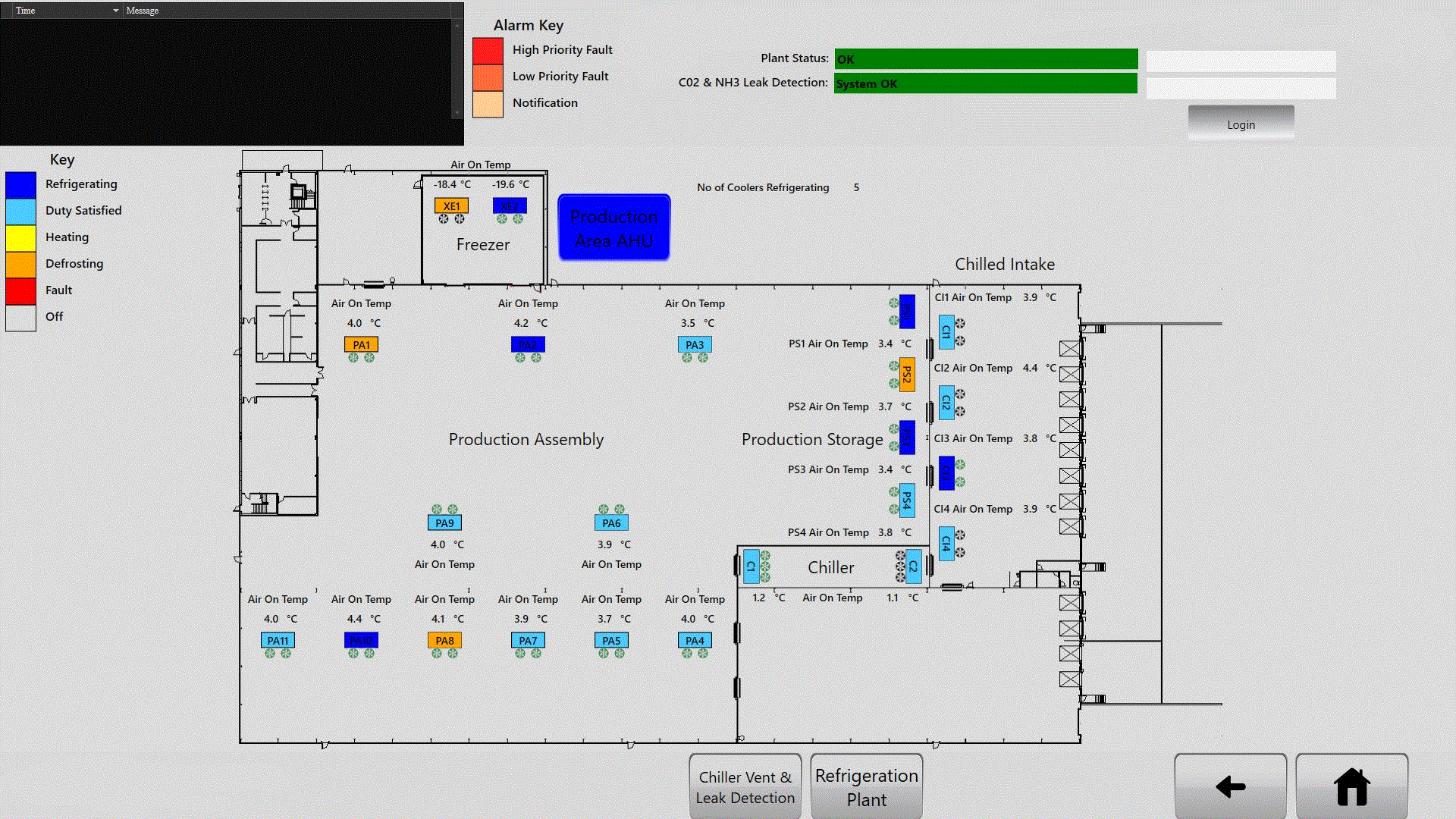
Modern industrial systems are increasingly software-driven. PLC logic often represents the true behaviour of the system, yet software documentation is frequently neglected.
Common automation documentation failures include:
No verified PLC backup
Undocumented logic changes
Poor or missing code comments
HMI screens that no longer match logic
Single-engineer knowledge dependency
⚠ Automation Risk: Unsupported or undocumented PLC software creates compliance, cyber, and uptime risk even when hardware appears reliable.
Digital Documentation and Modern System Management
Modern documentation integrity increasingly relies on digital systems rather than static files. Centralised repositories, version control, and controlled access reduce the risk of drift.
Effective modern documentation practices include:
Centralised document control systems
Controlled access and edit permissions
Revision tracking and approval workflows
Integration with maintenance and SCADA systems
Secure, centralised digital systems for storing logs and schedules provide a single source of truth for audits. Modern projects utilise truth-based digital repositories to maintain a clear historical record of all documentation. Proper handling and retention of audit-related data is essential to ensure compliance and facilitate audit processes.
💡 Best Practice: Documentation should be treated as a live system asset, not a static compliance archive.
Management’s Role in Documentation Integrity
Management’s commitment to documentation integrity is fundamental to achieving and maintaining compliance. Leaders must set the tone by prioritising accurate documentation and embedding it into the organisation’s culture. This means ensuring that all employees understand the importance of documentation and that everyone involved in electrical work is aware of their responsibilities.
To support this, management should provide the necessary resources—such as document management systems, up-to-date equipment, and access to relevant standards and guidance. Regular training sessions are essential to keep employees’ knowledge current and to reinforce best practices for creating and maintaining documentation. By investing in these areas, management ensures that the team is audit-ready and can confidently demonstrate compliance during inspections.
Ultimately, effective management of documentation integrity is about more than just meeting regulatory requirements. It’s about empowering employees to create high-quality documentation, supporting ongoing training, and fostering a proactive approach to compliance that benefits the entire organisation.
Organised Documentation Systems for Compliance
A well-organised documentation system is essential for maintaining compliance and ensuring that all necessary records are easily accessible when needed. Such a system allows for efficient storage, retrieval, and management of key documents, including electrical installation certificates, electrical installation condition reports, and maintenance records.
By implementing a structured documentation system—such as a digital document management platform—organisations can ensure that all documentation is up-to-date, securely stored, and readily available for audits. This not only streamlines day-to-day operations but also makes it easier for auditors to access the required information, reducing the risk of non-compliance and ensuring the business is always audit-ready.
An organised system also supports better management oversight, allowing for quick identification of missing or outdated documents and facilitating timely updates. For electrical contractors and electricians, maintaining an accessible and secure documentation system is an essential part of delivering compliant and reliable installations.
Employee Training for Documentation Best Practices
Comprehensive employee training is a cornerstone of documentation integrity. All staff involved in electrical installations must be equipped with the knowledge and skills to create and maintain compliant documentation. This includes understanding the statutory requirements, knowing how to complete electrical installation certificates and condition reports, and following best practices for record-keeping.
Training should also cover the use of document management systems and any other tools essential for creating and storing documentation. Regular refresher courses and updates ensure that employees stay informed about changes in regulations and industry standards, helping to maintain a high level of compliance across the organisation.
By investing in ongoing training and providing clear guidance, management ensures that employees are confident in their ability to create accurate, reliable documentation. This not only supports compliance but also enhances the overall quality and safety of electrical installations.
Work Order Management and Documentation Traceability
Effective work order management and documentation traceability are vital for maintaining a compliant and transparent documentation system. Every work order—whether for installation, maintenance, or inspection—should be linked to the relevant documentation, such as electrical installation certificates, condition reports, and maintenance records.
A robust work order management system enables organisations to assign tasks, track progress, and ensure that all required documentation is completed and stored correctly. Documentation traceability allows auditors to follow the lifecycle of each document, from creation to completion, providing clear evidence of compliance and accountability.
By integrating work order management with documentation systems, electrical contractors and electricians can streamline operations, reduce the risk of missing or incomplete records, and ensure that every task is properly documented. This approach not only supports compliance with statutory regulations but also enhances operational efficiency and audit readiness.
Documentation Integrity and Preventive Maintenance
Preventive maintenance relies on accurate documentation. Without it, inspections miss assets, defects are misattributed, and records lose credibility.
High-integrity documentation enables:
Targeted inspections
Clear defect tracking
Repeat fault elimination
Strong audit evidence
Detailed logs of insulation resistance and continuity tests enable technicians to identify deteriorating equipment prior to malfunctions.
📊 Operational Insight: Sites with disciplined documentation control typically resolve faults faster and experience fewer repeat failures.
How Documentation Integrity Improves Reliability and Safety
When documentation integrity is maintained, engineering decisions are faster, safer, and more consistent. Isolation is reliable, modifications are controlled, and knowledge is retained.
✅ Outcome: Facilities with strong documentation governance experience smoother audits, reduced downtime, and lower reliance on individual engineers.
Engineering Strategies to Protect Documentation Integrity
📋 Documentation Integrity Engineering Framework
Accuracy - ensure drawings reflect installed systems
Change control - update documentation with every modification
Version control - maintain revision history and ownership
Accessibility - documentation available at point of need
Governance - clear responsibility and review cycles
Applying the JBB Framework
📋 JBB – Assess → Modernise → Protect → Prevent → Support
Assess – Identify documentation gaps and misalignment
Modernise – Update panels, drawings, and control systems
Protect – Implement disciplined change control
Prevent – Maintain documentation through planned reviews
Support – Provide ongoing technical and compliance support
From Paperwork to Operational Control
Documentation integrity is not administrative overhead. It is a core engineering control that protects people, production, and compliance.
When documentation reflects reality, systems are easier to operate, easier to maintain, and easier to audit. When it does not, risk accumulates silently until failure exposes it.
Request a Compliance and Breakdown Prevention Assessment
If your electrical documentation has evolved through years of change, maintenance, and upgrades, a structured assessment will identify where integrity has been lost and how to restore control.
JBB Electrical’s Compliance and Breakdown Prevention Assessment identifies documentation gaps, lifecycle risks, and practical engineering actions to protect compliance and uptime.
Having a primary point of contact who acts as a liaison between your organization and the auditor is essential to facilitate effective communication and ensure documentation integrity in industrial electrical environments.
Request a Compliance and Breakdown Prevention Assessment to turn documentation into a reliability asset rather than a liability.
Frequently Asked Questions
What risks does poor documentation integrity create?
Poor documentation increases safety risk, extends downtime, weakens audit outcomes, and makes systems harder to modify or maintain safely. It also creates dependency on individual engineers rather than resilient processes.
How does documentation integrity affect compliance?
Compliance relies on evidence, traceability, and control. Accurate documentation demonstrates that electrical systems are understood, maintained, and governed effectively.
What preventive measures protect documentation integrity?
Structured change control, regular documentation reviews, disciplined maintenance records, PLC backup governance, and clear ownership all help preserve documentation integrity over time.