Cold stores are some of the most high-risk environments in the industrial sector. Whether used for food production, pharmaceutical storage, cold chain logistics or temperature-critical manufacturing, the integrity of stored goods depends on precisely controlled temperatures. Even a short deviation can compromise safety, break compliance, cause product loss or lead to severe operational disruption.
Despite the critical nature of these environments, many cold stores still operate with limited or outdated temperature monitoring. Relying solely on manual checks, outdated sensors, or reactive alarms is no longer sufficient. Modern facilities require continuous, 24/7 monitoring supported by reliable electrical infrastructure, PLC systems, data logging and alert mechanisms for all types of cold storage units, including fridges, cold rooms, and freezers.
This engineering-led guide explains why 24/7 temperature monitoring is essential for cold stores, the risks of inadequate monitoring, compliance requirements, engineering considerations, and the practical steps needed to protect your facility, products and reputation. Monitoring systems must distinguish between genuine faults and deviations that occur during normal operation to minimise false alarms and ensure data integrity.
💡 Key Insight:
Temperature issues do not start with a full system failure. They begin with small deviations, compressor imbalance, fan faults or electrical anomalies. Continuous monitoring detects these issues early enough to prevent major disruption. Power outages are a significant risk for cold stores, and continuous monitoring helps detect and respond to such events promptly.
The True Purpose of 24/7 Temperature Monitoring
The purpose of continuous temperature monitoring extends far beyond simply knowing whether a cold room is within target range. Proper monitoring acts as an early detection system for electrical, mechanical and refrigeration failures across the entire cold storage ecosystem.
A modern temperature monitoring system provides:
real-time visibility of room temperatures
trend analysis to detect early fault indicators
automatic alerts for deviations or system anomalies
audit-ready data for compliance and documentation
integration with PLCs, SCADA or cloud platforms
predictive insight into cooling performance
ability to customise monitoring and maintenance protocols based on system type (e.g., commercial refrigeration, industrial process refrigeration)
Without continuous monitoring, many refrigeration failures go unnoticed until damage has already occurred. Temperature fluctuations can occur suddenly or develop gradually over hours, depending on the root cause.
Why Cold Stores Are at High Risk Without Continuous Monitoring
The purpose of continuous temperature monitoring extends far beyond simply knowing whether a cold room is within target range. Proper monitoring acts as an early detection system for electrical, mechanical and refrigeration failures across the entire cold storage ecosystem.
A modern temperature monitoring system provides:
real-time visibility of room temperatures
trend analysis to detect early fault indicators
automatic alerts for deviations or system anomalies
audit-ready data for compliance and documentation
integration with PLCs, SCADA or cloud platforms
predictive insight into cooling performance
ability to customise monitoring and maintenance protocols based on system type (e.g., commercial refrigeration, industrial process refrigeration)
Without continuous monitoring, many refrigeration failures go unnoticed until damage has already occurred. Temperature fluctuations can occur suddenly or develop gradually over hours, depending on the root cause.
Why Cold Stores Are at High Risk Without Continuous Monitoring
Cold stores face unique engineering and operational challenges. Unlike other industrial systems where a failure may affect production efficiency, cold store failures can lead directly to stock loss worth tens or hundreds of thousands of pounds in a matter of hours.
Well-trained employees serve as the first line of defense in identifying and responding to temperature deviations, helping to prevent errors and maintain operational integrity.
There are several reasons why cold stores are particularly vulnerable.
1. High Thermal Load and Low Tolerance for Deviation
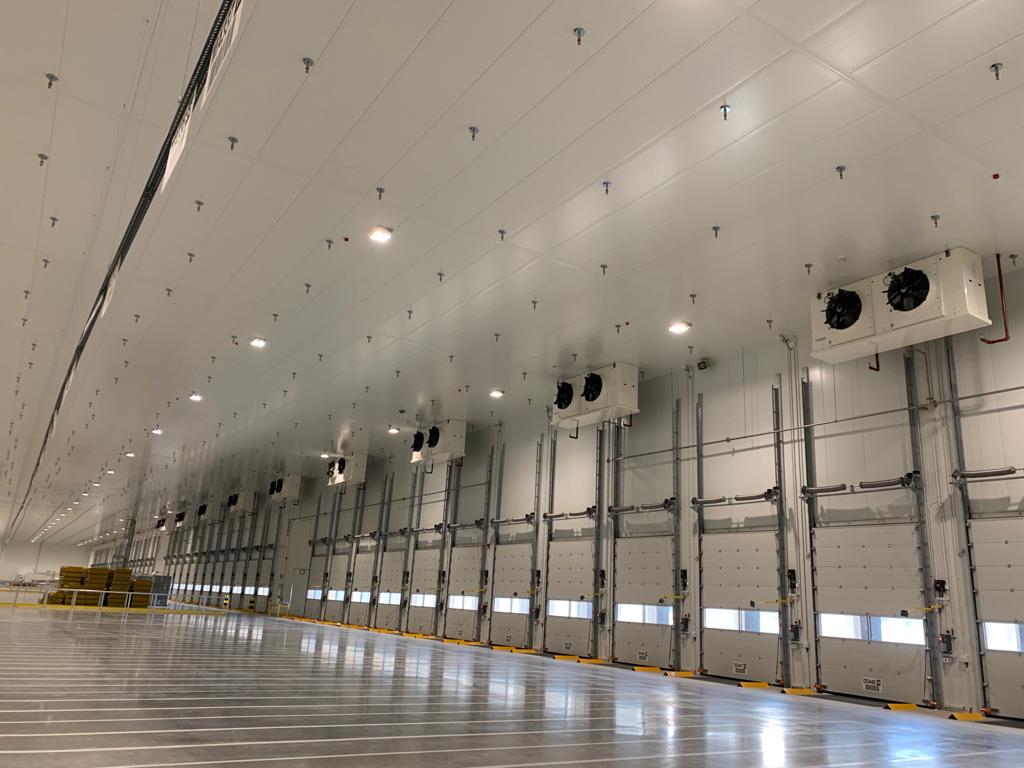
Cold stores operate within strict temperature thresholds, often between -25°C and +5°C. Even small deviations can quickly compromise food safety or product stability. The tighter the tolerance, the faster a deviation becomes dangerous.
2. Rapid Temperature Rise During Failures
Cold stores lose temperature integrity far quicker than most operators realise. Once cooling stops, the thermal mass of the stored product, airflow patterns and insulation determine how fast temperatures rise. In many facilities, temperatures can rise significantly within 60 to 120 minutes.
⚠ Critical Warning:
By the time personnel notice rising temperatures through periodic manual checks, the damage is often already done. Continuous monitoring prevents this by identifying problems at the earliest possible stage.
3. Complex Refrigeration Systems with Interdependent Components
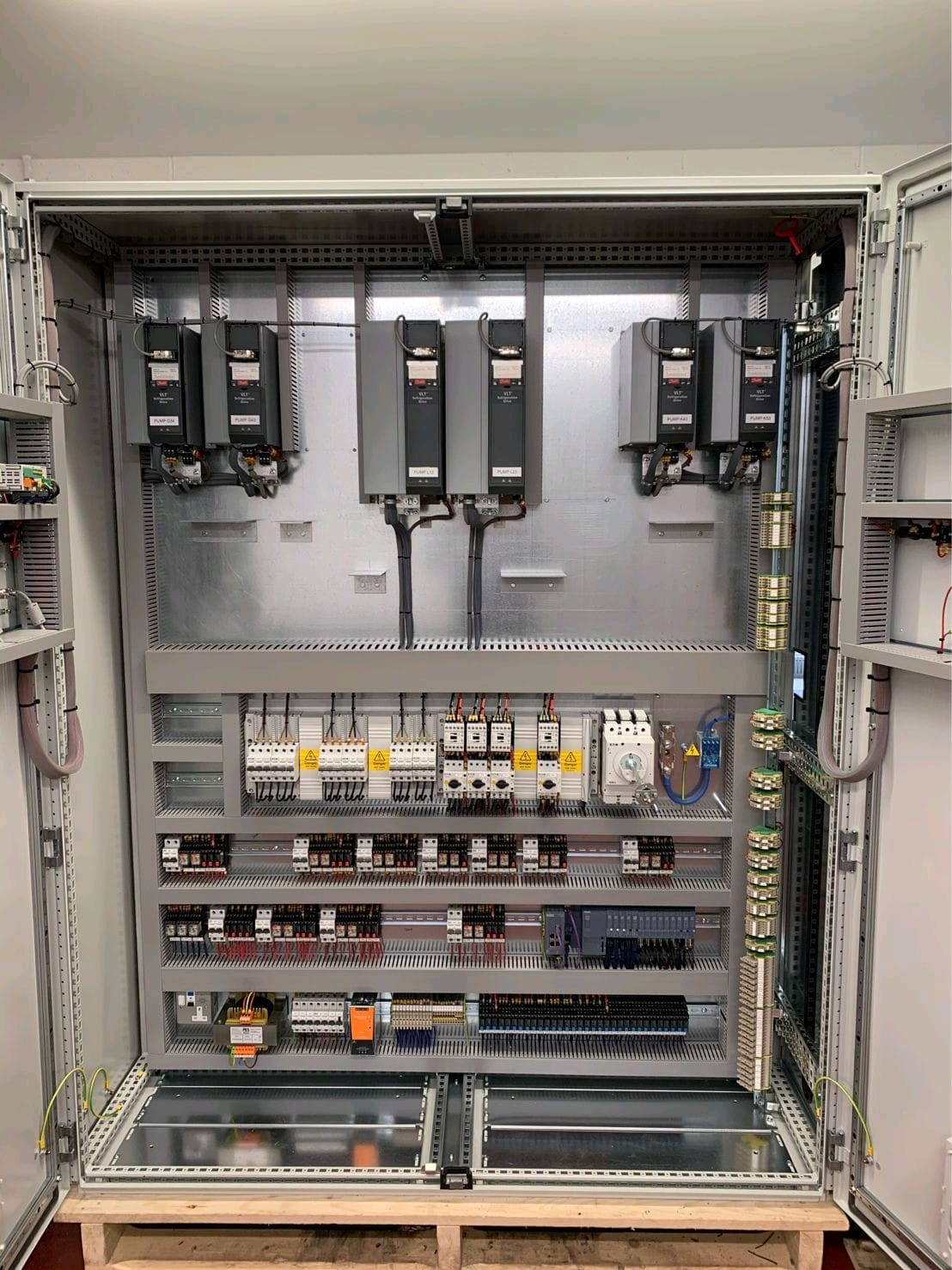
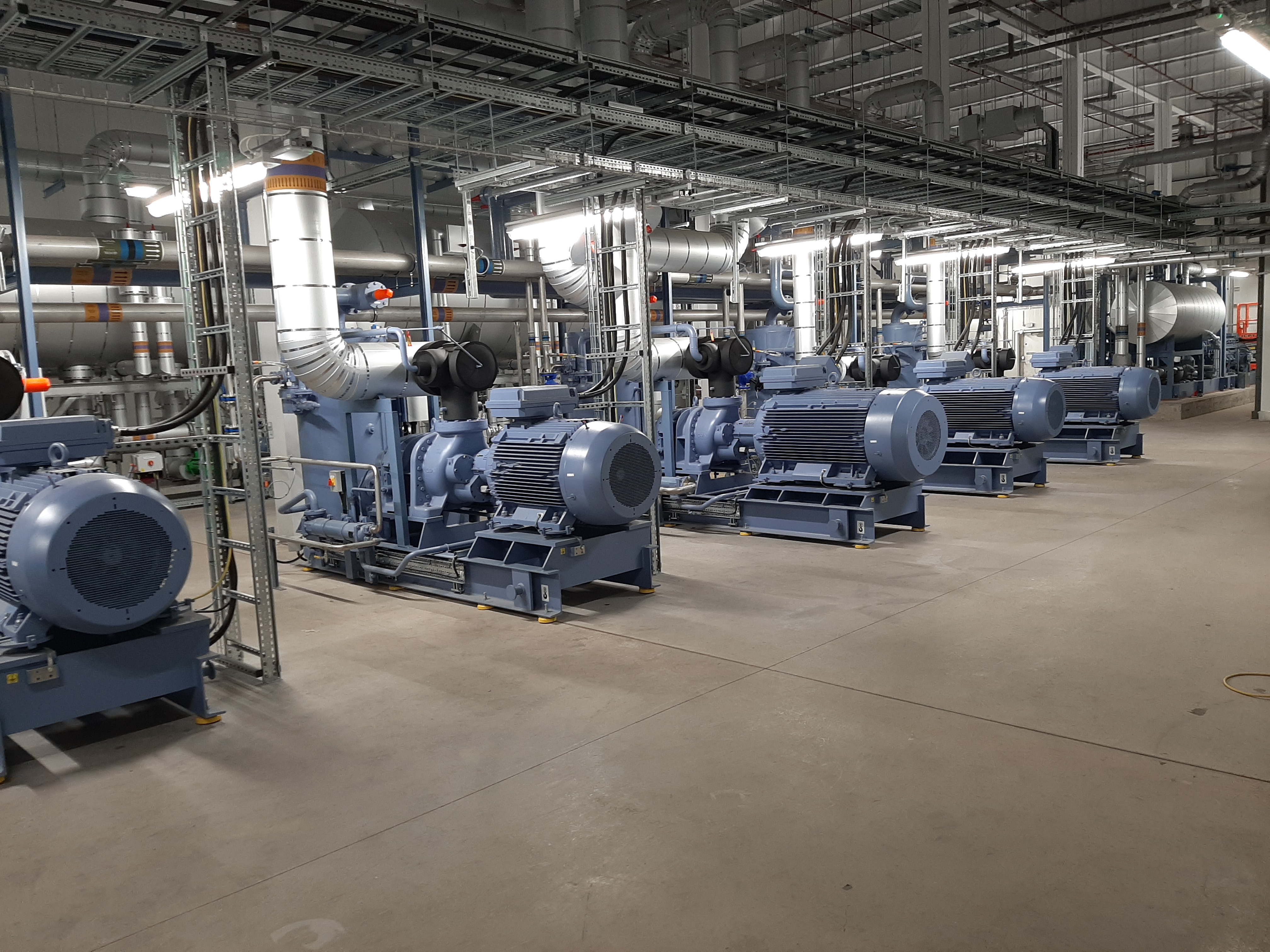
Cold store performance relies on compressors, evaporators, fans, sensors, control panels, PLCs, power supplies and electrical distribution. A fault in any one of these systems can disrupt temperature integrity.
Common issues include:
compressor overloads or phase imbalance
fan motor failure
defrost cycle malfunction
control panel overheating
sensor drift or failure
PLC logic faults or data loss
4. High Dependency on Correct Electrical Operation
Cold stores rely heavily on electrical systems. Breakdowns in power distribution, control wiring or PLC panels can disrupt refrigeration performance. Many failures begin as electrical anomalies long before refrigeration stops working.
5. Compliance Requirements and Audit Pressure
Food safety, pharmaceutical stability and cold-chain regulations all require accurate, consistent and verifiable temperature control. In addition to local and national standards, cold stores operating in or exporting to multiple countries must also comply with international regulations. Failure to maintain or document temperature integrity can lead to:
compliance breaches
product recalls
insurance disputes
loss of accreditation
Cold Chain Management
Cold chain management is the backbone of safe and efficient distribution for temperature-sensitive products. It encompasses the entire process of transporting, storing, and handling perishable goods under controlled conditions, ensuring that products remain within a defined temperature range from origin to destination. Any lapse in temperature control can compromise product quality, increase safety risks, and result in costly waste.
To address these challenges, businesses are increasingly adopting advanced temperature monitoring solutions, such as wireless temperature data loggers and real-time monitoring systems. These technologies provide continuous temperature data throughout the cold chain, allowing for immediate detection of deviations and rapid response to potential issues.
What Can Go Wrong Without 24/7 Monitoring?
Without continuous monitoring, operators have no visibility of temperature drift until the situation becomes critical. Failures can occur gradually or suddenly, but both cause significant operational risk.
1. Compressor Failure
Compressor failure is the most common cause of cold store breakdowns. These failures may be sudden or may develop gradually due to overloads, electrical imbalance, blocked condensers or mechanical wear. Without continuous monitoring, early warning signs go unnoticed.
2. Evaporator or Fan Faults
A failed evaporator fan significantly reduces cooling capability. The room remains cold for a short time, masking the underlying issue until temperatures begin to rise rapidly.
3. Defrost Cycle Issues
Incorrect or failed defrost cycles cause ice buildup, reducing airflow and overall cooling efficiency. This often results in gradual temperature drift—difficult to detect without trend analysis.
4. Electrical Faults in Control Panels
Loose terminals, overloaded circuits or end-of-life components cause intermittent failures. These faults may cut power to fans, sensors or controllers, leading directly to temperature issues.
❗ Important Engineering Note:
Cold store temperature deviations often appear to be refrigeration problems, but many originate from electrical failures in control panels, wiring or distribution boards.
5. Sensor Drift or Failure
Temperature sensors degrade over time. Drift of even 1–2°C can cause systems to operate incorrectly, trigger false alarms or fail to detect a genuine issue.
6. Door Management Issues
Frequent door openings, damaged seals or forklift traffic patterns can cause rapid temperature spikes. Without monitoring, these events remain undocumented and undiagnosed.
Compliance Standards Requiring Continuous Monitoring
Cold stores operate within some of the most highly regulated industries. Compliance bodies expect robust, reliable and auditable monitoring systems.
Key applicable standards include:
BS EN 12830 – Temperature recorders for transport and storage of chilled, frozen and deep-frozen goods.
HACCP – Requires verifiable control of temperature-critical points.
BRCGS Food Safety Standard – Requires continuous monitoring and evidence of temperature control.
Retailer-specific audit requirements – Many supermarkets require continuous temperature logs.
F-Gas Regulation and Compliance
F-Gas regulations are designed to minimise the environmental impact of fluorinated greenhouse gases used in refrigeration and cooling systems. These regulations require businesses to monitor, control, and reduce emissions from refrigerants, which can contribute to ozone layer depletion and climate change if not properly managed. Compliance with F-Gas standards is not only a legal obligation but also a critical component of responsible cold storage operation.
Temperature monitoring systems play a vital role in F-Gas compliance by providing accurate, real-time data on refrigeration performance and environmental factors. By continuously tracking temperature and system status, operators can quickly identify leaks, inefficiencies, or abnormal conditions that may indicate refrigerant loss. Automated alerts and detailed data logs support timely maintenance, help eliminate unnecessary emissions, and ensure that all regulatory requirements are met.
What 24/7 Temperature Monitoring Reveals
Modern monitoring systems do far more than record temperature. They provide operators with insights that improve reliability, reduce energy use and support predictive maintenance.
1. Temperature Drift
Gradual drift often indicates underlying faults such as reduced refrigerant charge, evaporator issues, or electrical degradation.
2. Rapid Rise Events
These indicate sudden failures such as compressor shutdowns, power loss or major electrical faults.
3. Door-Related Temperature Spikes
Frequent or prolonged openings significantly impact temperature stability.
4. Defrost Cycle Performance
Analysis reveals whether cycles are occurring at correct frequencies and durations.
5. Compressor and Fan Behaviour
Monitoring correlates temperature trends with component behaviour, identifying inefficiency or failure.
6. Electrical System Issues
Temperature patterns often indicate electrical anomalies such as supply imbalance, overloads or failing components.
How Modern Monitoring Systems Improve Reliability
Modern monitoring solutions work in conjunction with PLC and SCADA systems, providing real-time insight into refrigeration performance. These systems enable early detection, remote intervention and data-driven maintenance.
✅ Real-World Example:
A cold store operating at -22°C avoided a stock loss after its monitoring system detected a compressor phase imbalance. Engineers were alerted immediately and repaired the fault before temperature rose to critical levels.
Modern monitoring systems offer:
live dashboards
historical trend analysis
multiple sensor points per room
cloud logging and audit-ready records
local alarms, remote notifications and auto dial outs
integration with PLCs, SCADA, BMS and third-party systems
Wi-Fi Enabled Monitoring
Wi-Fi-enabled temperature monitoring systems are revolutionising the way cold stores and cold rooms are managed. These solutions offer easy installation—simply plug in the device and connect to your existing Wi-Fi network, with no need for complex wiring or infrastructure changes. Once online, sensors continuously measure and transmit temperature data to a secure cloud platform, providing instant access to real-time monitoring from any location.
The benefits of Wi-Fi-enabled monitoring extend beyond convenience. Operators receive automated alerts and instant notifications if temperatures move outside the defined range, allowing for rapid intervention and prevention of spoilage. Historical data is stored securely, supporting compliance, audits, and quality assurance processes. Wi-Fi systems are suitable for a wide range of applications, from small fridges to large cold rooms, and can be scaled to meet the needs of growing businesses.
Why Manual Checks Are No Longer Enough
Historically, cold stores relied on periodic manual checks completed by staff. In modern compliance and audit environments, manual checks alone are considered insufficient and high risk.
Manual checks cannot detect:
rapid temperature rise events
night-time failures
door misuse or unexpected access
defrost cycle issues
drift due to sensor degradation
electrical failures occurring under load
Manual monitoring also lacks audit-ready documentation. If an issue occurs outside the manual check window, there is no verifiable record of when the deviation started or how long it lasted, creating compliance and insurance challenges.
How JBB Electrical Supports Cold Store Monitoring
JBB Electrical designs and installs full monitoring systems integrated with PLCs, sensors, data loggers, control panels and cloud platforms. Our process is based on the Assess → Modernise → Protect → Prevent → Support methodology, ensuring reliability, safety and compliance.
For further information, support, or to discuss your cold store monitoring needs, please contact JBB Electrical.
📋 JBB’s Monitoring System Framework
ASSESS – Review refrigeration systems to detect temperature fluctuations, weak points, and compliance risks
MODERNISE – Install accurate sensors, data loggers, and real-time monitoring to improve control and visibility.
PROTECT – Use alerts, backups, and system safeguards to protect stock and equipment from temperature failures.
PREVENT – Analyse trends and performance data to resolve issues early and avoid breakdowns or spoilage.
SUPPORT – Deliver continuous monitoring, reporting, and technical assistance to ensure consistent system performance.
Preventive Maintenance and Monitoring: A Combined Strategy
24/7 temperature monitoring does not replace preventive maintenance—it enhances it. Monitoring provides the data needed to schedule maintenance activities before failures occur. Preventive maintenance provides the corrective actions needed to ensure the monitoring system remains accurate and reliable.
Effective combined strategies include:
thermal imaging of control panels and compressors
torque checks on terminations
fan motor inspections
verification of sensor accuracy
load and current analysis
defrost cycle evaluation
Cold Storage Best Practices
Maintaining optimal performance in cold storage environments requires a combination of advanced technology, proactive management, and adherence to industry standards. Best practices for cold storage include:
Implementing 24/7 temperature monitoring with wireless sensors and data loggers to ensure continuous oversight and rapid detection of deviations.
Regularly calibrating sensors and verifying system accuracy to maintain reliable temperature data.
Integrating remote temperature monitoring solutions with existing PLC, SCADA, or cloud platforms for centralised control and data analysis.
Scheduling routine preventive maintenance for refrigeration equipment, including checks for leaks, electrical faults, and component wear.
Training personnel on proper door management, storage procedures, and emergency response protocols to minimise temperature fluctuations and product loss.
Maintaining detailed records of temperature data and system performance to support compliance with regulatory requirements and facilitate audits.
When Cold Stores Should Upgrade Their Monitoring Systems
Older monitoring systems may still function but lack essential features required for compliance and reliability. Cold stores should upgrade when their system shows any of the signs below.
1. Limited or No Trend Logging
Without history, it is impossible to diagnose slow-developing failures.
2. No Remote Alerts
Systems that only display local alarms leave night-time periods completely unprotected.
3. Obsolete Sensors
Old sensors degrade over time and can drift significantly, making readings unreliable.
4. Integration Gaps
Systems without PLC or SCADA integration cannot respond dynamically or provide advanced diagnostics.
5. Limited Data Storage
Short logging windows are insufficient for audits or investigations after deviations.
FAQs
What risks does this issue create?
Cold stores without 24/7 monitoring face risks of stock loss, compliance breaches, equipment damage, refrigeration failure and safety hazards. Temperature deviations can escalate quickly without early detection.
How does compliance affect this?
Continuous monitoring supports HACCP, BRCGS, BS EN 12830, retailer audits and cold-chain regulations. Lack of data or inaccurate monitoring can result in failed inspections and insurance disputes.
What preventive measures should be taken?
Facilities should combine 24/7 monitoring with preventive maintenance, thermal imaging, load checks, electrical inspections, sensor calibration and defrost cycle verification.
How do modern systems improve reliability?
Modern systems provide real-time alerts, detailed logs, predictive analytics and SCADA/PLC integration, allowing operators to detect and resolve issues before temperatures deviate.
Next Step: Request a Compliance & Breakdown Prevention Assessment
Cold stores operate under high thermal load, strict compliance requirements and significant financial risk. JBB’s Compliance & Breakdown Prevention Assessment gives facilities the assurance they need to maintain safety, efficiency and operational continuity. Our engineers assess electrical systems, control panels, sensors, PLCs, wiring, load distribution and thermal performance to identify hidden risks.
Request a Compliance & Breakdown Prevention Assessment today to protect your cold store and ensure your temperature-critical operations stay fully compliant.