In a food manufacturing plant, a single overheating terminal or failed breaker can stop a production line, trigger a temperature excursion, and put entire batches at risk. In temperature critical environments, electrical failures threaten food safety, compliance, and customer commitments.
Preventive electrical maintenance is how you move from firefighting to engineered reliability. For food manufacturers, that means treating electrical infrastructure, control panels, PLC systems, and temperature monitoring as production assets that must be protected, documented, and systematically maintained.
💡 Key insight: In temperature critical food operations, electrical maintenance is a primary risk control that protects product, compliance, and uptime.
Why preventive electrical maintenance is non negotiable in food plants
Food factories and cold stores place unusual demands on electrical systems. You have continuous production, heavy motor loads, refrigeration plant, aggressive washdown regimes, and strict hygiene requirements. Many sites run 24/7 with minimal opportunities for planned shutdowns.
In this environment, purely reactive maintenance is dangerous. Failures tend to be sudden, disruptive, and expensive. They often occur at the worst possible times – overnight, during a major run, or when the site is lightly staffed.
Preventive electrical maintenance gives you structured visibility over the condition of your electrical infrastructure, so you can intervene before a fault turns into an outage, a temperature excursion, or a compliance issue.
📊 The reality in many plants: One hour of lost production in a modern food facility can mean tens of thousands of pounds in lost product, rework, and wasted labour – far more than the cost of planned maintenance that would have prevented the failure.
Typical electrical risks in food and cold chain environments
While every site is different, most food manufacturing and cold storage facilities share a common set of electrical risks. Understanding these is the first step to designing a meaningful preventive maintenance regime.
1. Ageing infrastructure and undocumented modifications
Many plants have grown organically over years or decades. Distribution boards, containment, and field wiring from different eras co exist on the same site. Upgrades are often layered on top of older infrastructure, with limited documentation and inconsistent standards.
The result is a patchwork of circuits with unknown load diversity, mixed protection devices, and uncertain fault levels. Ageing terminations and insulation increase the risk of overheating, arcing, and nuisance tripping at precisely the moment the system is most heavily loaded.
2. Aggressive operating conditions
Food plants are hard on electrical systems. Washdown, cleaning chemicals, steam, and product residues attack enclosures and terminations. Temperature cycling in cold stores and blast freezers stresses components and seals. Vibration from machinery can loosen terminals and accelerate wear.
Without regular inspection, tightening, and replacement, you see rising contact resistance, water ingress, corrosion, and ultimately failures that could have been predicted by simple preventive tasks or thermal imaging.
3. Load growth and ad hoc expansions
As lines are added, extended, or reconfigured, new loads are often connected to existing boards and circuits. Without formal load assessments, discrimination studies, and documentation updates, you can easily end up with overloaded supplies, compromised protection, or poor fault discrimination.
These issues frequently only become visible during peak production or hot weather, when refrigeration, process, and ancillary loads all coincide.
4. Control panel and PLC obsolescence
Obsolete PLC hardware, unsupported operating systems, and undocumented code are major risk factors. If a critical module fails and is no longer available, you do not have a maintenance problem – you have a redevelopment project, often under time pressure.
Preventive maintenance in a modern food plant is not just about tightening terminals. It must include lifecycle management for control panels, MCCs, and PLC platforms, with clear obsolescence plans and tested backups.
5. Documentation, testing, and compliance gaps
For many sites, the real risk is not that maintenance work is never done – it is that there is no joined up view of what has been done, what is overdue, and how this aligns with BS7671, BS EN 60204-1, PUWER, and insurance requirements.
Missing EICRs, incomplete panel drawings, or unlogged changes can create serious exposure during audits, investigations, or insurance claims.
⚠ Common mistake: In most food plants, repeated nuisance trips, overheating terminals, or ad hoc control modifications are symptoms of deeper systemic issues that preventive maintenance is designed to uncover and resolve.
Compliance drivers: standards behind preventive maintenance
Preventive electrical maintenance is not just best practice. For food manufacturers, it sits at the intersection of electrical safety regulations, machinery safety, and food safety requirements.
Key frameworks include:
BS7671 wiring regulations for the design, installation, and testing of electrical installations.
BS EN 60204-1 for the electrical equipment of machines and production lines.
PUWER and EAWR requirements to maintain equipment in a safe condition.
Food safety and retailer standards that expect documented control of critical utilities, including power and temperature control.
Insurer requirements for periodic inspection, testing, and thermal imaging of electrical systems.
ℹ Compliance context: An electrical maintenance strategy that is aligned to BS7671, BS EN 60204-1, and PUWER provides more than paperwork. It demonstrates that you have identified your risks, implemented controls, and are actively maintaining your production critical infrastructure.
What preventive electrical maintenance actually covers
On a food manufacturing or cold storage site, preventive electrical maintenance should form a structured programme across several layers of your electrical and control system.
1. Electrical installations and distribution
At infrastructure level, preventive maintenance includes periodic inspection and testing of electrical installations, board level thermography, torque checks on terminations, condition assessments of containment, and verification that protective devices still coordinate correctly with downstream loads.
This is where NICEIC compliant testing, EICRs, and remedial works are combined to keep your system safe, compliant, and aligned with current BS7671 requirements. :contentReference[oaicite:3]{index=3}
2. Control panels and MCCs
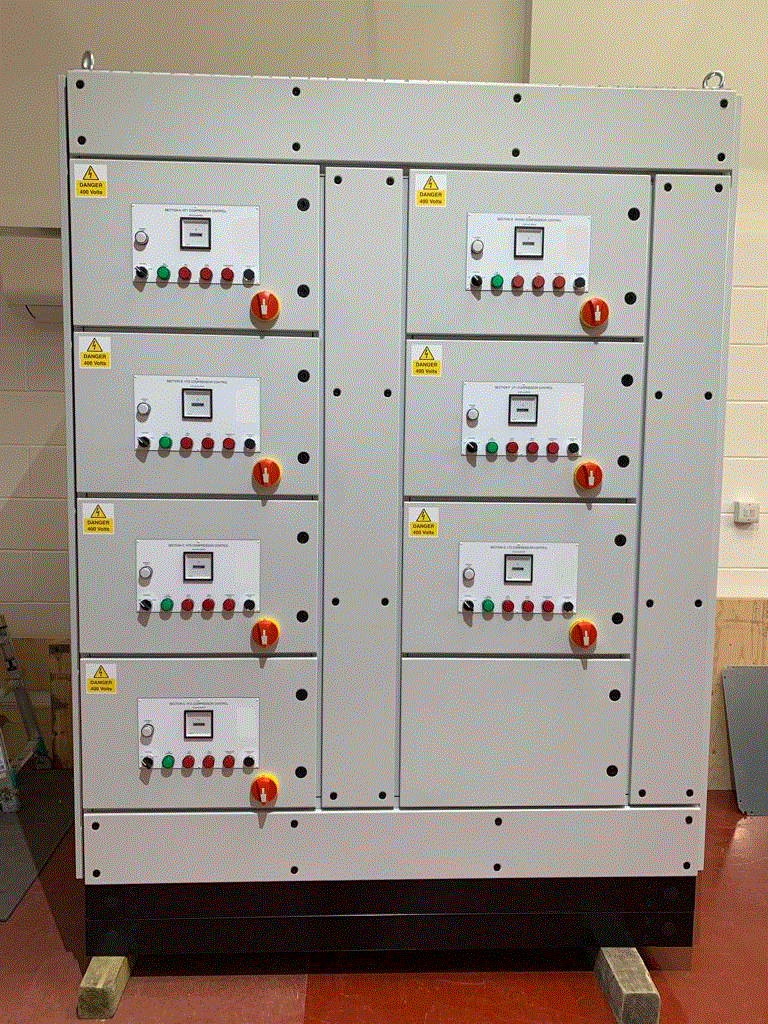
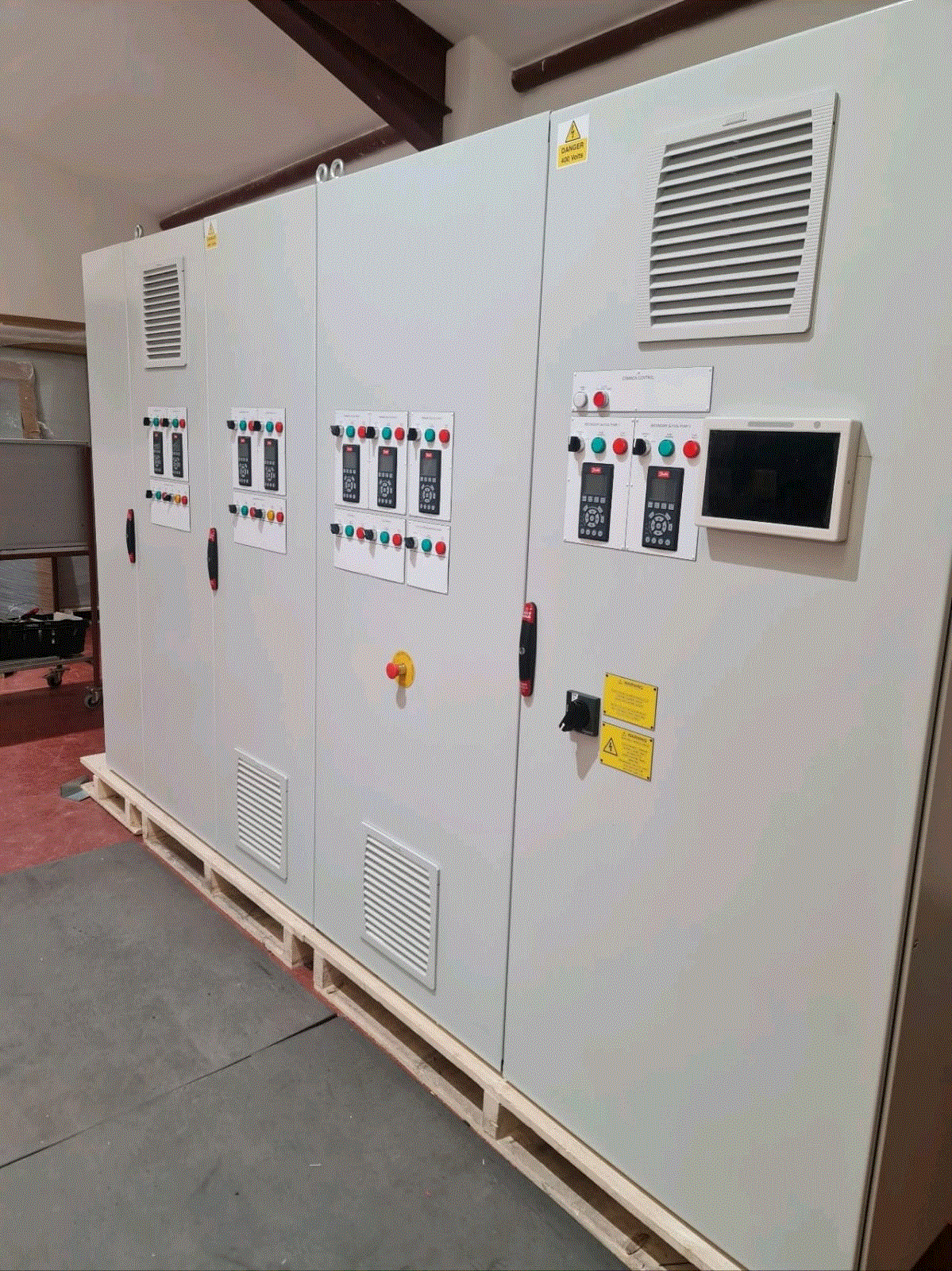
Control panels are the nervous system of your process and refrigeration plant. Preventive maintenance here includes internal visual inspection, mechanical checks, cleaning, filter replacement, tightening of power and control terminals, verification of labels, and confirmation that panel drawings match the as built condition.
Where panels are obsolete or non compliant with BS EN 60204-1, preventive maintenance often identifies the need for staged modernisation rather than repeated patch repairs.
3. PLC, SCADA, and control software
Software is now a critical part of your electrical risk profile. Modern preventive maintenance programmes include verification of PLC and SCADA backups, checks on diagnostic alarms, review of software versions and obsolescence, and validation that interlocks and safety functions behave as designed.
This is particularly important for refrigeration plant, CIP systems, batching lines, and packaging machinery where software failure can be just as damaging as a physical fault.
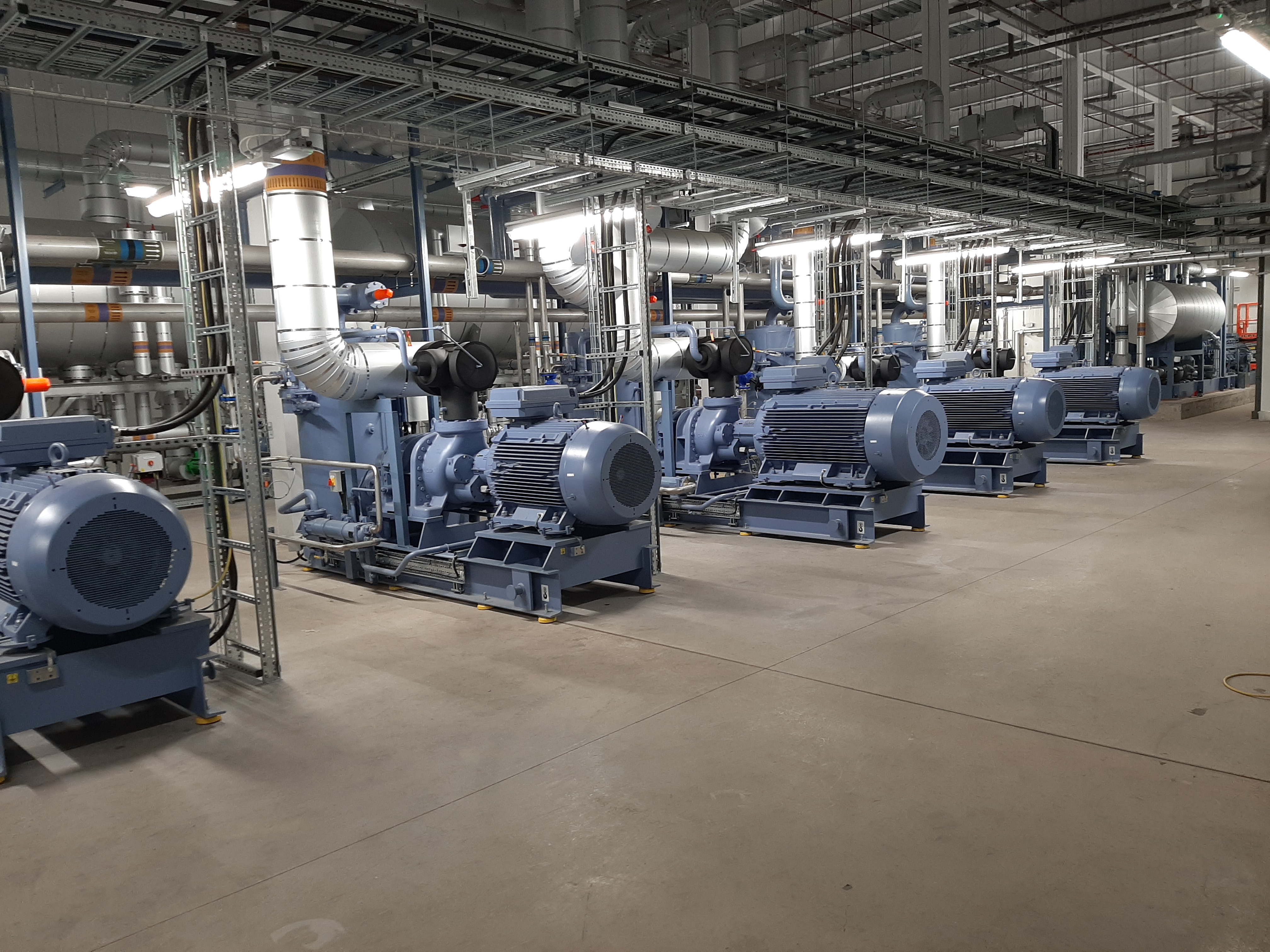
4. Refrigeration plant and temperature monitoring
For food manufacturers and cold stores, refrigeration and temperature monitoring are mission critical. Preventive maintenance covers control panel checks, sensor verification, alarm testing, and confirmation that temperature logging systems are recording correctly and retaining data for audit.
Electrical issues here are often subtle: drifting sensor readings, poorly configured alarms, or failing control components that only show up as small temperature instabilities before they become full excursions.
5. Thermal imaging, load profiling, and defect tracking
Thermal imaging is one of the most powerful tools in preventive electrical maintenance. It reveals overloaded cables, loose terminations, deteriorating breakers, and imbalanced loads long before you see smoke or nuisance trips.
The preventive maintenance stack for food plants
Layer 1 – Electrical infrastructure: Boards, containment, cabling, earthing, and protection devices.
Layer 2 – Control panels & MCCs: Panel internals, wiring integrity, cooling and cleanliness, documentation.
Layer 3 – PLC & SCADA: Logic integrity, diagnostics, backups, obsolescence planning.
Layer 4 – Refrigeration & temperature systems: Plant controls, sensors, alarms, and data logging.
Layer 5 – Documentation & spares: Drawings, test records, maintenance logs, and critical spares strategy.
Using a structured method: Assess → Modernise → Protect → Prevent → Support
JBB applies a consistent method to every food manufacturing engagement: Assess → Modernise → Protect → Prevent → Support. This turns maintenance activity into a repeatable system that reduces risk and increases uptime rather than a collection of disconnected tasks.
Assess – map risk, condition, and compliance
The starting point is a Compliance & Breakdown Prevention Assessment. This combines site walks, panel inspections, thermal imaging, documentation review, and stakeholder interviews to build a clear picture of:
Where your most critical production and temperature risks sit.
Which parts of your electrical and control systems are ageing, overloaded, or undocumented.
Where you have compliance gaps against BS7671, BS EN 60204-1, PUWER, and insurer expectations.
Which failures would have the highest impact on product, safety, and customer commitments.
Modernise – remove structural weaknesses
Assessment findings are translated into a prioritised modernisation roadmap. This might include upgrading non compliant distribution boards, replacing obsolete control panels, migrating PLC platforms, or re engineering overloaded circuits.
The aim is not to replace everything at once. It is to remove the structural weaknesses that make failures both likely and hard to recover from.
Protect – test, certify, and document
Once critical upgrades are in place, electrical testing, certification, and documentation are brought up to date. This includes NICEIC testing, EICRs, panel test records, and updated schematics, so you can demonstrate that your infrastructure is safe and compliant at a point in time.
Prevent – embed a preventive maintenance regime
With the system structurally sound, JBB designs a preventive maintenance plan that aligns with your production schedule and risk profile. This defines what is inspected, tested, and imaged, how often, and how defects are classified and closed.
The plan combines electrical installations, control panels, PLC/SCADA checks, and refrigeration-related controls into a single, risk-based programme rather than treating them as separate areas.
Support – maintain, review, and adapt
Finally, results are reviewed regularly. Defect trends, near misses, and changes in production are used to adjust the preventive programme. Over time, this creates a virtuous cycle where your maintenance strategy evolves with your plant, not behind it.
Example: building a 12-month preventive maintenance plan
A typical plan for a food manufacturing site might look like:
Quarter 1: Full thermal imaging survey, EICR on highest risk boards, review of control panel documentation.
Quarter 2: Panel internal inspections on process lines, PLC backup verification, alarm testing on temperature systems.
Quarter 3: Focused remedials from earlier findings, targeted upgrades to protection and control components.
Quarter 4: Follow-up thermography, review of failure and near-miss data, and reset of the maintenance plan for the next year.
Scheduling maintenance around production
One of the biggest challenges in food manufacturing is finding time to carry out intrusive electrical work. Any preventive strategy must respect production windows, cleaning schedules, and customer commitments.
Effective scheduling often combines short, targeted interventions during planned pauses with occasional deeper interventions during annual or semi-annual shutdowns.
Pre shutdown maintenance planning checklist
Agree scope based on risk and previous findings – focus on the most critical boards, panels, and circuits first.
Confirm access requirements, isolations, and permits with operations and safety teams.
Stage critical spares, replacement components, and test instruments in advance.
Allocate clear responsibilities across internal teams and external partners such as JBB.
Plan test and recommissioning sequences to minimise restart issues.
Capture all results, defects, and changes in a central maintenance record.
How modern systems improve reliability and uptime
Modern electrical and control systems give you significantly more levers to improve reliability than legacy equipment. When combined with preventive maintenance, they turn your plant into a monitored, diagnosable system rather than a black box.
Smarter protection: Modern breakers and protection devices provide better discrimination, trip logging, and status indication, making faults easier to diagnose and prevent.
PLC diagnostics: Contemporary PLC platforms offer extensive diagnostics on I/O status, communication errors, and performance, giving early warning of failing components.
SCADA and historian data: Properly configured SCADA systems with trending and alarms allow engineering teams to spot patterns – rising motor currents, increasing temperatures, repeated stops – before they become failures.
Integrated temperature monitoring: Centralised temperature monitoring systems with alarms and logging provide immediate visibility of excursions and support audit readiness.
Remote access and support: Secure remote access allows specialists to assist with diagnostics and software changes without waiting for site attendance.
🔍 Practical example: A food plant with repeated weekend trips on a refrigeration board implemented thermography, upgraded protection, and enabled PLC diagnostics on key compressors. Within one maintenance cycle, they identified an overloaded circuit and a failing contactor that had previously gone unnoticed. After targeted remedials, the nuisance trips stopped and weekend call outs dropped to zero.
JBB brings these elements together through its combined services in electrical installations, control panels, PLC & SCADA software, refrigeration plant control, temperature monitoring, and preventive maintenance.
Building the business case: maintenance cost vs downtime risk
For most food manufacturers, the financial case for preventive electrical maintenance is straightforward once the true cost of downtime is understood. Direct costs – lost product, wasted raw materials, overtime, and emergency call-outs – are only part of the picture.
You also have intangible impacts: missed delivery slots, damaged customer confidence, investigation overhead, and the internal distraction of crisis management. For temperature-critical operations, a single serious failure can wipe out many times the annual budget of a structured preventive programme.
How JBB supports food manufacturers and cold stores
JBB Electrical is a multidisciplinary industrial partner, not a general contractor. Since 1966, JBB has specialised in electrical infrastructure, control panels, PLC & SCADA automation, refrigeration control, temperature monitoring, preventive maintenance, testing, and critical spares strategies for compliance driven, temperature critical environments.
For food manufacturers, this means you can work with a single engineering partner who understands both the electrical and operational realities of your plant. JBB can design and install new systems, modernise existing infrastructure, implement preventive maintenance, and provide ongoing support as your production evolves.
✅ Outcome focus: The objective is not just passing the next audit. It is achieving a food manufacturing site with clear risk visibility, documented compliance, and electrical infrastructure that supports near continuous uptime.
Next step: request a Compliance & Breakdown Prevention Assessment
If you are responsible for a food manufacturing plant, cold store, or temperature critical process facility, the most effective next step is a structured assessment of your current electrical and control systems.
JBB's Compliance & Breakdown Prevention Assessment gives you:
A clear map of electrical and control system risks across your site.
Thermal imaging and condition data on critical boards and panels.
A view of compliance gaps against relevant standards and insurer expectations.
A prioritised roadmap for modernisation and preventive maintenance.
From there, you can decide – with data – how to sequence upgrades and preventive works to protect your product, your people, and your uptime.
Ready to reduce breakdown risk in your food plant? Book a free Compliance & Breakdown Prevention Assessment with JBB Electrical and start moving your site from reactive repairs to engineered resilience.
FAQs: preventive electrical maintenance in food manufacturing
What risks does poor or reactive electrical maintenance create in food plants?
Poor or purely reactive maintenance increases the likelihood of unplanned outages, temperature excursions, equipment damage, and safety incidents. In food manufacturing, these events carry additional consequences – product loss, contamination risks, missed deliveries, and potential non-conformances during audits. They also make failures harder to diagnose because there is no consistent.