Cold storage facilities operate on a knife-edge. The temperature inside a freezer room, blast chiller or cold store must remain within an extremely tight tolerance to prevent stock loss, preserve food safety and maintain compliance. Despite this, temperature fluctuations remain one of the most frequent and costly failure events across food manufacturing, logistics, cold chain distribution, pharmaceutical storage and frozen goods processing. A single temperature rise can lead to rejected loads, product spoilage, contamination risk, and the buildup of bacteria, which increases the risk of microbial contamination and highlights the importance of effective microbial control, as well as significant commercial loss.
Temperature fluctuations rarely occur because of one major incident. Instead, they are usually the result of multiple small issues within refrigeration, electrical, mechanical or operational systems that gradually worsen until they cause a noticeable deviation. Often, it is a combination of factors or methods—such as integrating temperature monitoring techniques and preventive maintenance—that can either contribute to or help prevent temperature excursions. The purpose of this guide is to explain the common causes of temperature fluctuations in cold storage and provide engineering, compliance and preventive maintenance strategies to reduce the risk. This article draws upon extensive experience from JBB Electrical engineers working across temperature-critical environments.
💡 Key Insight:
Temperature fluctuations are not refrigeration failures. They are system-wide failures that can originate from electrical faults, control system issues, airflow problems, operational behaviours, or environmental changes. Refrigeration is only one part of the equation.
What Is a Temperature fluctuation?
A temperature fluctuation is any instance where a cold store exceeds its defined temperature tolerance for a period long enough to risk product integrity. These tolerances vary depending on the type of product, regulatory requirements and internal risk appetite. In most industrial cold stores, even a deviation of 1–2°C over an extended time can compromise compliance. Understanding the extent of temperature fluctuations is critical for assessing the risk to medication stability, safety, and potential costs.
Fluctuations can occur suddenly (e.g., compressor failure) or gradually (e.g., evaporator icing, sensor drift). Without 24/7 monitoring, many excursions go undetected until irreversible damage has occurred. After an excursion, it is essential to determine whether the affected products remain safe and effective for use.
Why Temperature Fluctuations Are So Dangerous
Cold stores hold products that degrade rapidly when temperature is not controlled. Unlike other industrial failures where equipment can often be restarted or repaired without major consequence, a cold store temperature fluctuation impacts product integrity directly and immediately.
A single fluctuation can lead to:
complete spoilage of perishables
compromised food safety
loss of accreditation or audit failure
large volume stock write-offs
insurance disputes
loss of supply chain confidence
F-Gas reporting and regulatory scrutiny
⚠ Critical Warning:
Most temperature fluctuations can be prevented if early-stage indicators are detected. Continuous monitoring combined with engineering-based preventive maintenance is the most effective safeguard.
Product Storage and Handling: Impact on Internal Conditions
How products are stored and handled within a cold storage facility plays a crucial role in maintaining a uniform temperature and preventing contamination. Storing goods in their original packaging and within designated storage areas helps protect them from unnecessary exposure to heat or cold, reducing the risk of temperature excursions.
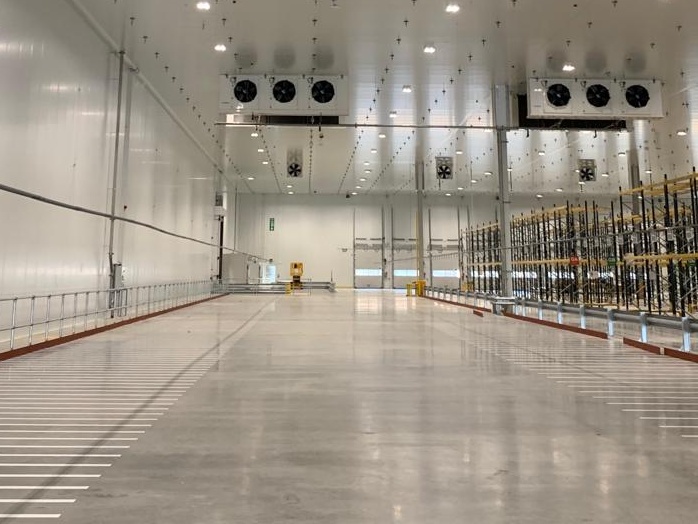
Optimising storage capacity with shelving and racking systems not only maximises space but also improves air circulation, which is essential for consistent temperature control. Proper circulation prevents hotspots and ensures that all products are kept within the required temperature range, preserving their quality and shelf life.
Staff should be trained to follow best practices for product handling, including minimising the time doors are open and promptly addressing any signs of contamination or temperature drift. By prioritising correct storage and handling procedures, businesses can significantly reduce the risk of temperature-related issues and maintain a high standard of product quality in a cold environment.
Staff Training and Awareness: Human Factors in Temperature Control
Human factors are a leading cause of temperature excursions in cold storage environments. Even with the best equipment and systems in place, lapses in staff training or awareness can lead to costly errors, such as improper door management, incorrect use of temperature monitoring equipment, or mishandling of products.
Regular staff training is essential to ensure that everyone understands the importance of temperature control, the risks associated with fluctuations, and the correct procedures for storage and handling. Training should cover the use of temperature monitoring systems, data loggers, and other equipment, empowering staff to identify and respond to potential issues quickly.
By fostering a culture of vigilance and accountability, businesses can minimise human error, reduce the risk of contamination, and maintain the quality and safety of their products. Ongoing education and clear communication are key to sustaining high standards in cold storage operations.
The 12 Most Common Causes of Temperature Fluctuations in Cold Storage
Below are the most frequent root causes of fluctuations, grouped by refrigeration, electrical, control system and operational categories. Each cause includes engineering context, compliance implications and early warning signs.
1. Compressor Failure or Reduced Capacity
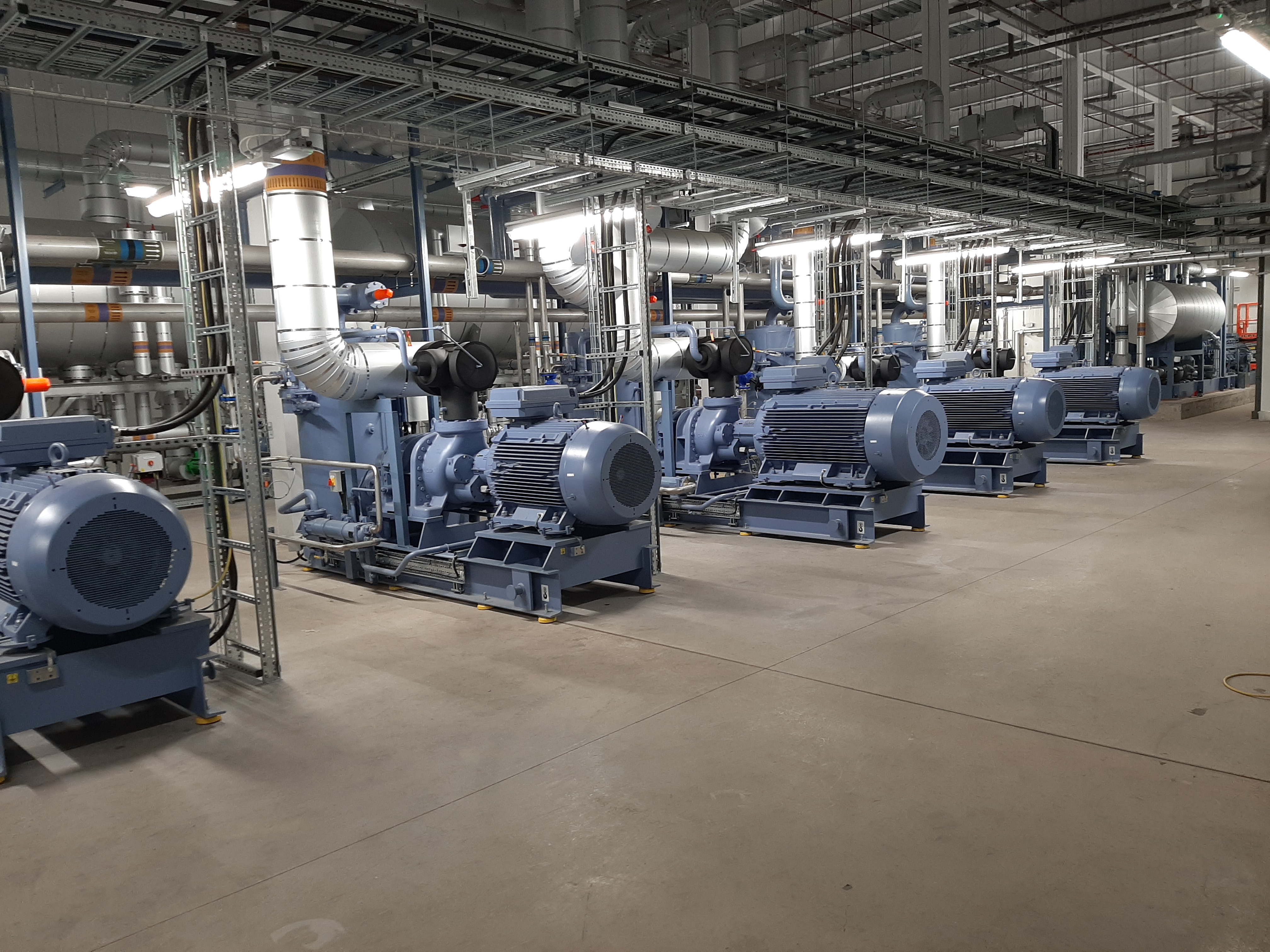
The compressor is the heart of any cold store. When it fails or operates below expected performance, temperature rises rapidly.
Common causes include:
electrical phase imbalance
overcurrent conditions
worn mechanical components
blocked condensers
short cycling
inadequate lubrication
Early warning signs are often visible through electrical monitoring, PLC diagnostics or thermal imaging of control panels.
2. Evaporator Fan Failure
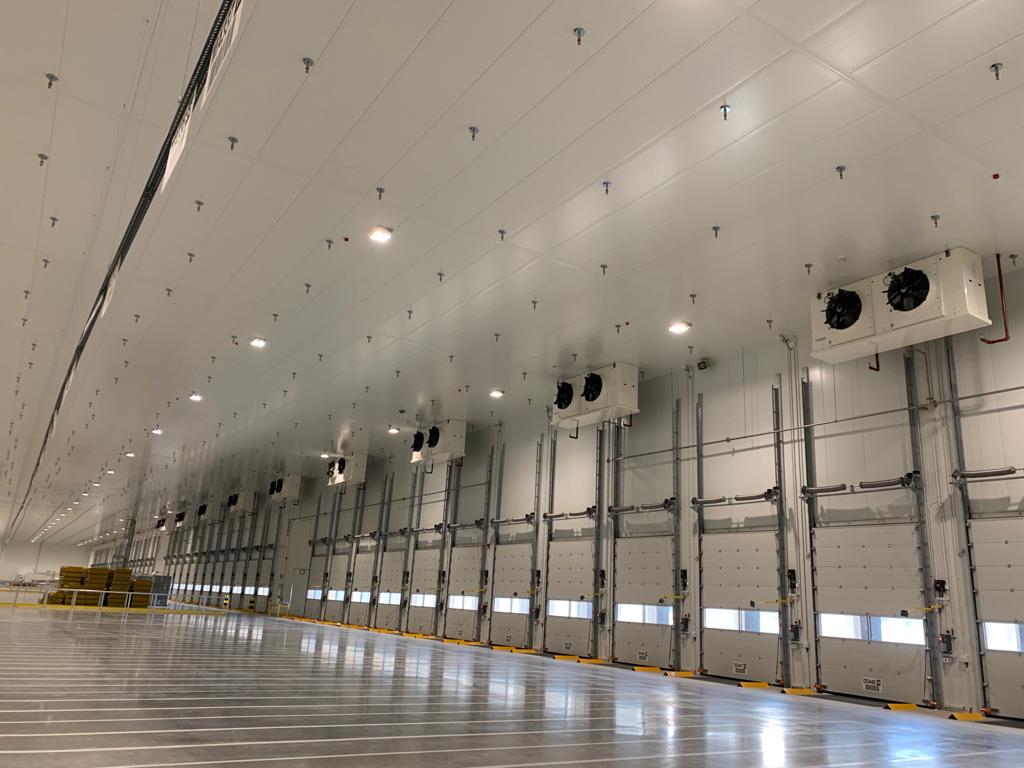
Evaporator fans distribute cold air evenly across the room. When they fail, even partially, temperature distribution becomes uneven, leading to hotspots and gradual drift. Dust buildup can block fans, restrict airflow, and contribute to uneven cooling, which may compromise humidity control and overall system efficiency.
Fan failures often result from:
worn bearings
electrical faults
ice accumulation
overheating of fan motors
dust accumulation
3. Ice Build-Up on Evaporators
Ice accumulation is one of the biggest contributors to temperature fluctuations. It restricts airflow and reduces cooling capacity.
Ice buildup typically results from:
failed defrost cycles
excess moisture entering the cold store
faulty drain heaters
poor door management
condensation forming on evaporator surfaces
Condensation due to humidity or airflow issues can lead to moisture accumulating on evaporator surfaces, which then freezes and contributes to ice buildup.
📊 Industry Statistic:
Many cold store temperature fluctuations investigated feature evaporated ice as a contributing factor.
4. Refrigerant Leaks
Loss of refrigerant reduces cooling capacity, often without completely shutting the system down. This results in slow, progressive temperature drift that may go unnoticed without monitoring.
Common indications include:
longer compressor run times
uneven cooling
higher suction pressure
frequent alarm resets
5. Electrical Problems in Control Panels
Temperature fluctuations often start as electrical faults. Control panels, distribution boards, PLC cabinets and field wiring degrade over time. Loose terminals, overloaded circuits, outdated components and inadequate cooling create unstable conditions.
Issues include:
hotspots due to high resistance connections
end-of-life contactors
aged PLC hardware
poor ventilation or blocked cooling fans
damaged wiring insulation
❗ Electrical Engineering Note:
Electrical faults often appear as refrigeration failures. A single overheated terminal can stop fans, compressors or sensors, causing rapid temperature rise.
6. Defrost Cycle Failures
Defrost cycles must run consistently and predictably. When defrost cycles fail or run too long, the system loses cooling capacity. This often results in a slow, creeping temperature rise. Inadequate defrosting can also cause freezing on evaporator coils and other surfaces, which further reduces system performance and can lead to ice accumulation issues.
Defrost issues are commonly caused by:
faulty defrost heaters
PLC programming errors
ice obstruction preventing proper airflow
failed timers or relays
7. Sensor Drift or Sensor Failure
Temperature sensors degrade over time, especially in harsh cold store environments. Sensor drift skews readings, meaning systems react incorrectly or fail to detect genuine temperature deviations.
Signs include:
frequent minor alarms
inconsistent readings across multiple sensors
temperature “flat-lining”
8. Door Misuse, Seal Damage and Foot Traffic
Temperature fluctuations often result from operational behaviour rather than mechanical failure. Frequent door opening, damaged seals or forklift traffic patterns introduce warm air and moisture, triggering fluctuations. When moisture enters, it can accumulate on the floor, leading to ice formation that creates safety hazards and can reduce system efficiency.
Common causes include:
doors left open during loading
poorly maintained gaskets
broken or misaligned handles
insufficient air curtains or vestibules
9. Poor Airflow and Blocked Fans
Blocked racking, stacked pallets or poor layout disrupt airflow within the cold store, causing uneven temperatures and hotspots.
Proper airflow requires:
clear air paths to evaporators
sufficient spacing between pallets
regular cleaning of fan guards
10. Power Supply Disturbances
Voltage dips, supply interruptions and phase imbalance directly affect refrigeration performance. Power issues can cause equipment to reset, trip or operate inefficiently.
Electrical supply problems include:
loose terminals in distribution boards
overloaded circuits
harmonic issues affecting VSDs
undervoltage causing compressors to stall
11. Control System Failures (PLC/SCADA)
Outdated PLCs, faulty I/O modules, corrupt program blocks or SCADA communication issues can cause unpredictable refrigeration behaviour or lead to delayed alarm escalation.
Symptoms include:
inconsistent defrost timing
unreliable alarm activation
intermittent fan or compressor operation
12. Lack of Preventive Maintenance
Cold stores that rely solely on reactive maintenance are significantly more vulnerable to fluctuations. Temperature issues often originate from problems that are easily detected during preventive inspections. Regular service and prompt repair of equipment, such as restoring airflow or fixing damaged insulation, are critical components of preventive maintenance to avoid temperature fluctuations.
ℹ Engineering Note:
Preventive maintenance is not about replacing parts unnecessarily. It is about identifying risks early, reducing load on critical components and preventing temperature drift.
Compliance Requirements Linked to Temperature Fluctuations
Cold stores must operate within strict compliance frameworks involving food safety, pharmaceutical stability and environmental controls. Temperature fluctuations have direct consequences for audits, traceability and regulatory compliance.
Relevant standards include:
BRCGS Food Safety Standard – requires continuous monitoring and accurate logging.
HACCP – temperature control forms a Critical Control Point (CCP).
BS EN 12830 – governs temperature recorders for chilled, frozen and deep-frozen goods.
Retailer audits – most require detailed temperature logs for all cold storage zones.
Audit findings are used to assess compliance with these standards and identify areas for improvement. Utilizing available resources, such as manufacturer guidelines, monitoring tools, and support materials, is essential to support compliance efforts and informed decision-making.
What 24/7 Monitoring Reveals About Fluctuations
Continuous temperature monitoring provides early detection of temperature anomalies and gives operators actionable insights to prevent escalation. When anomalies are detected, monitoring data can prompt further investigation into the root causes, such as equipment performance or procedural issues. Monitoring may possibly uncover previously undetected issues that require attention to ensure medication safety.
Monitoring reveals:
early drift due to evaporator icing
door-related spikes
night-time or weekend fluctuations
compressor overloads or inefficiencies
sensor anomalies or failures
electrical issues causing uneven performance
defrost cycle problems
✅ Real-World Example:
A food distributor avoided a stock loss when their monitoring system detected evaporator fan slowdown. Maintenance dispatched engineers immediately, preventing a rapid temperature rise.
Engineering Controls That Reduce the Risk of Fluctuations
Preventing temperature fluctuations requires a holistic approach. Refrigeration, electrical systems, control panels, sensors and operational procedures all play interconnected roles in maintaining temperature stability.
1. Modern PLC & Control Panel Design
Modern control panels provide stable, predictable control of refrigeration plant. They ensure correct sequencing of compressors, fans, defrost cycles and alarms.
Upgrades typically include:
BS EN 60204-1-compliant wiring and protection
modern PLC platforms with diagnostics
improved ventilation and cooling
segregated power and control wiring
2. Reliable Temperature Sensors and Calibration
Accurate sensors are essential for temperature integrity. Sensors must be periodically calibrated and replaced when showing drift or wear. Sensors also help ensure the minimum temperature required for product safety is maintained, preventing temperatures from dropping below safe limits.
3. Proper Defrost Cycle Management
Modern systems track performance metrics to ensure correct defrosting, prevent ice buildup and maintain consistent temperatures.
4. Load and Power Quality Management
Electrical stability is core to refrigeration reliability. Voltage imbalance, loose terminations or phase loss can cause sudden failures.
5. Airflow and Racking Optimisation
Cold airflow must remain unobstructed. Operators should maintain correct spacing, fan clearance and load distribution.
Preventive Maintenance for Cold Store Reliability
Cold stores with robust preventive maintenance programmes experience significantly fewer temperature fluctuations. Preventive maintenance addresses issues before they manifest as temperature deviations.
Key activities include:
thermal imaging of control panels and compressors
regular evaporator and condenser cleaning
fan motor inspections
drain heater checks
door seal and gasket replacement
sensor calibration
defrost cycle performance reviews
electrical torque checks
☑ Preventive Maintenance Core Checklist
Check panel temperatures and ventilation
Inspect sensor accuracy and drift
Verify load and electrical balance
Inspect evaporators, fans and drains
Analyse temperature trends for drift
Review defrost logs and adjust cycles
JBB’s Engineering-Led Approach to Preventing Fluctuations
JBB Electrical’s methodology for preventing temperature fluctuations is built around the company’s lifecycle model: Assess → Modernise → Protect → Prevent → Support. As part of this process, JBB provides expert advice to clients on temperature management, workplace safety, and compliance to help prevent cold storage temperature excursions.
If medicines are exposed to temperature excursions, it is essential to conduct a thorough risk assessment to determine if the medicine remains suitable for use. This involves consulting manufacturer guidelines and stability data, as well as utilising available resources such as manufacturer contact information and support materials to inform decision-making. Proper transport conditions are also critical to maintaining the cold chain and ensuring that medicines and vaccines remain effective for patients. Temperature excursions can impact patient safety and health outcomes, making it vital to monitor storage and transport conditions closely.
For further support or information, clients are encouraged to contact JBB for expert guidance and assistance.
📋 JBB Excursion Prevention Framework
Assess – Pinpoint the causes of temperature drift through focused engineering inspections and performance checks.
Modernise – Improve reliability by upgrading refrigeration equipment, controls, and insulation where needed.
Protect – Strengthen system resilience with continuous monitoring, alarms, and backup cooling solutions.
Preventing – Reduce risks through planned maintenance, calibration routines, and improved operating practices.
Support – Ensure long-term stability with ongoing engineering assistance, staff guidance, and remote oversight.
FAQs
What risks does this issue create?
Temperature fluctuations risk stock loss, food safety issues, compliance breaches, equipment failure and financial damage. They can occur suddenly or gradually and often start from electrical or refrigeration faults.
How does compliance affect this?
Cold stores must comply with HACCP, BRCGS, BS EN 12830 and retailer standards. These require accurate, consistent and auditable temperature control. Lack of monitoring or poor maintenance can result in failed audits.
What preventive measures should be taken?
Preventive maintenance, thermal imaging, defrost checks, sensor calibration, airflow optimisation, electrical inspections and 24/7 monitoring reduce the risk significantly.
How do modern systems improve reliability?
Modern control panels, sensors, PLC programs and monitoring systems provide early warning, predictive analytics and reliable operation, greatly reducing temperature excursion likelihood.
Next Step: Request a Compliance & Breakdown Prevention Assessment
Cold stores operate under strict thermal and compliance requirements. JBB Electrical’s Compliance & Breakdown Prevention Assessment gives operators clarity over refrigeration performance, electrical stability, monitoring accuracy and panel condition. Our engineers identify early-stage indicators, hidden risks and opportunities for modernisation that protect stock and ensure long-term reliability.
Request a Compliance & Breakdown Prevention Assessment today to protect your cold storage operation and reduce the risk of temperature excursions.