Industrial facilities face a costly dilemma: maintain extensive spare parts inventory that ties up capital, or risk extended downtime when critical electrical components fail unexpectedly. Effective critical spare parts management resolves this tension through systematic analysis of failure points, strategic inventory positioning, and documented replacement procedures.
The consequences of inadequate spares management extend beyond immediate repair costs. When a motor control centre fails without replacement contactors available, production stops until components arrive — often days or weeks for specialised industrial equipment.
Identifying Critical Spare Components in Industrial Electrical Systems
Critical spare identification begins with systematic analysis of electrical infrastructure to map single points of failure. This process examines each component's role in maintaining production continuity.
📋 Analysis Framework:
Production Impact Assessment: Components whose failure stops production entirely
Safety System Dependencies: Elements required for emergency shutdown or fire protection
Regulatory Compliance Components: Parts needed to maintain certifications or permits
Lead Time Analysis: Components with procurement delays exceeding acceptable downtime
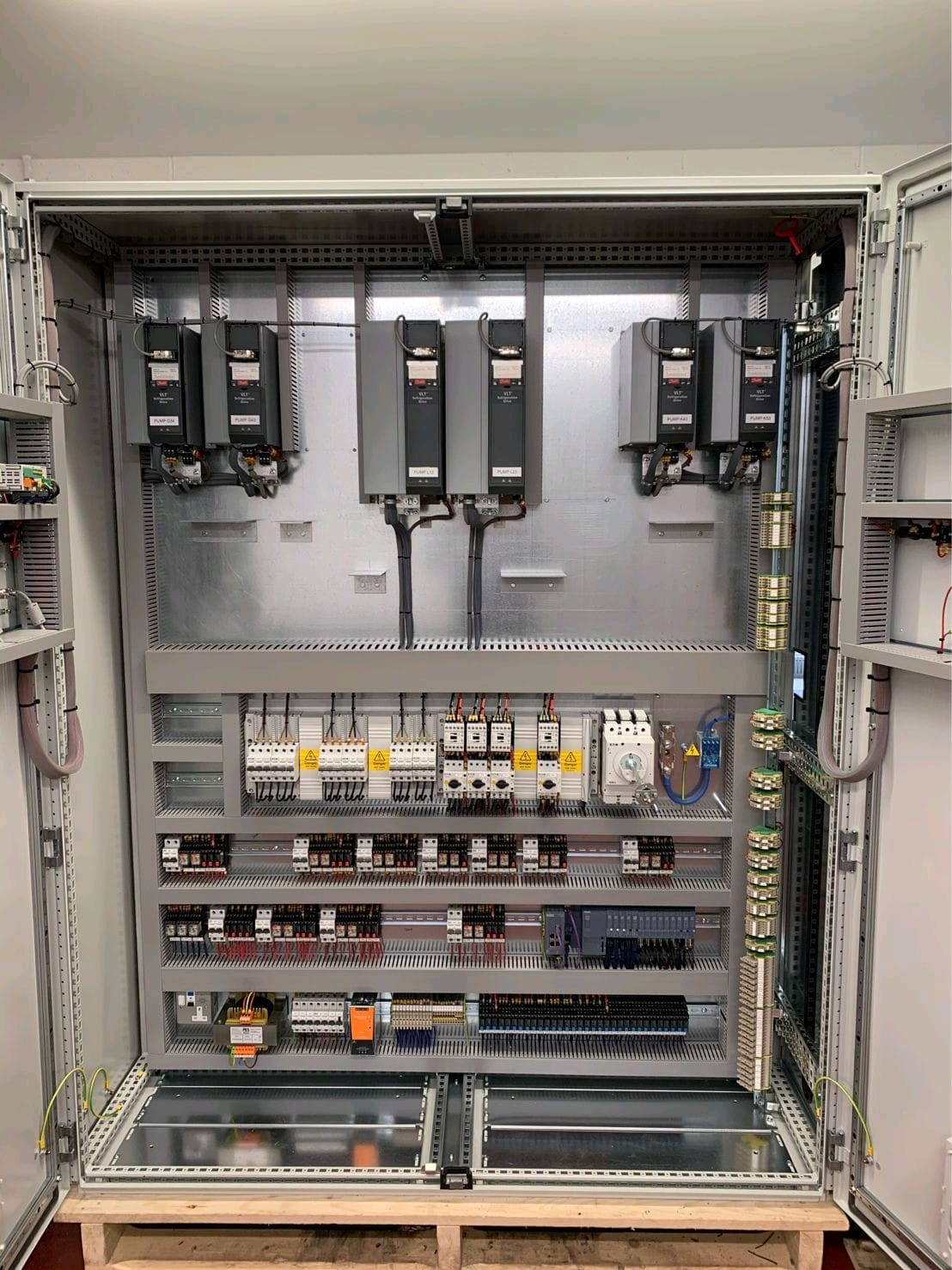
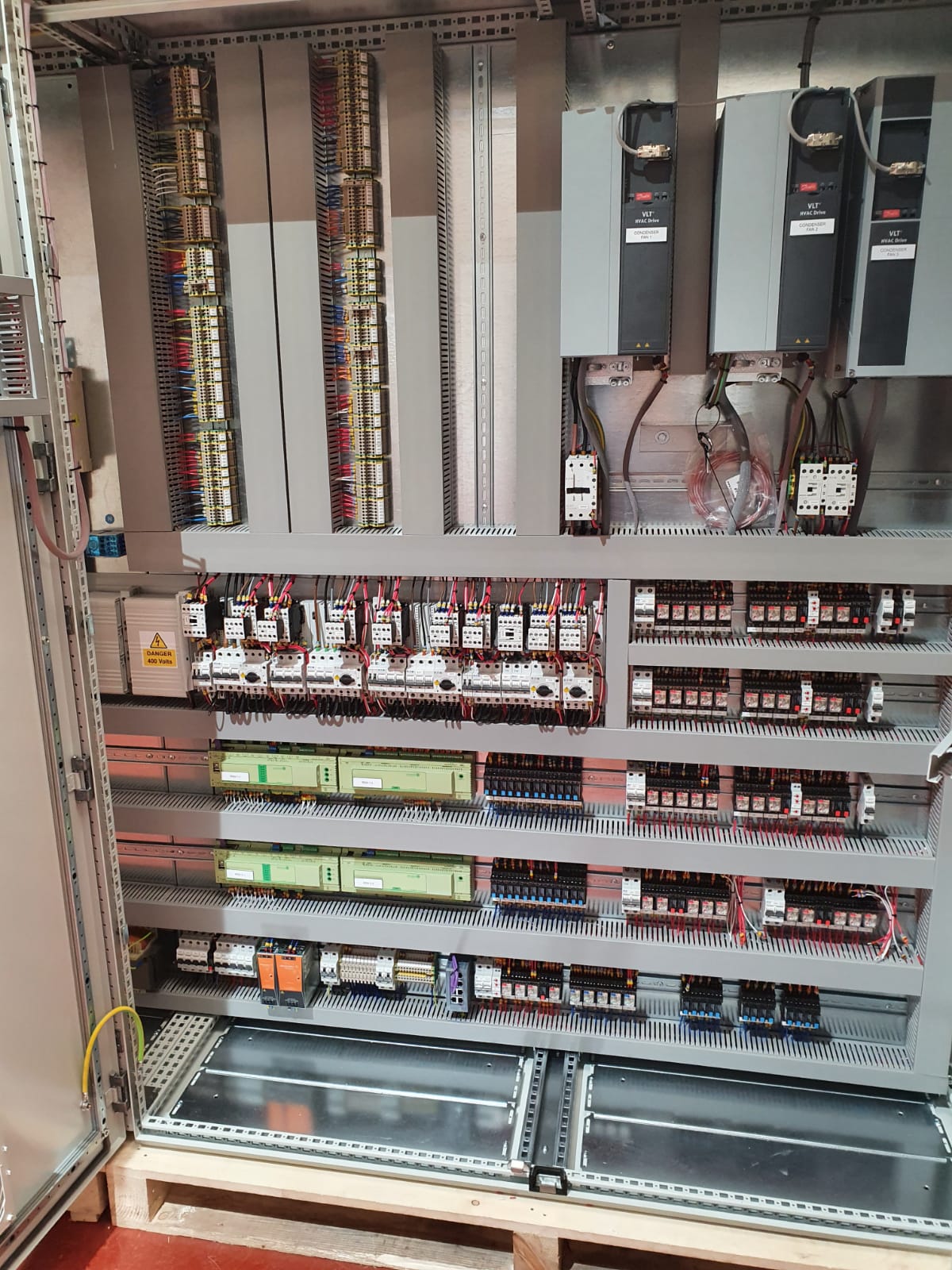
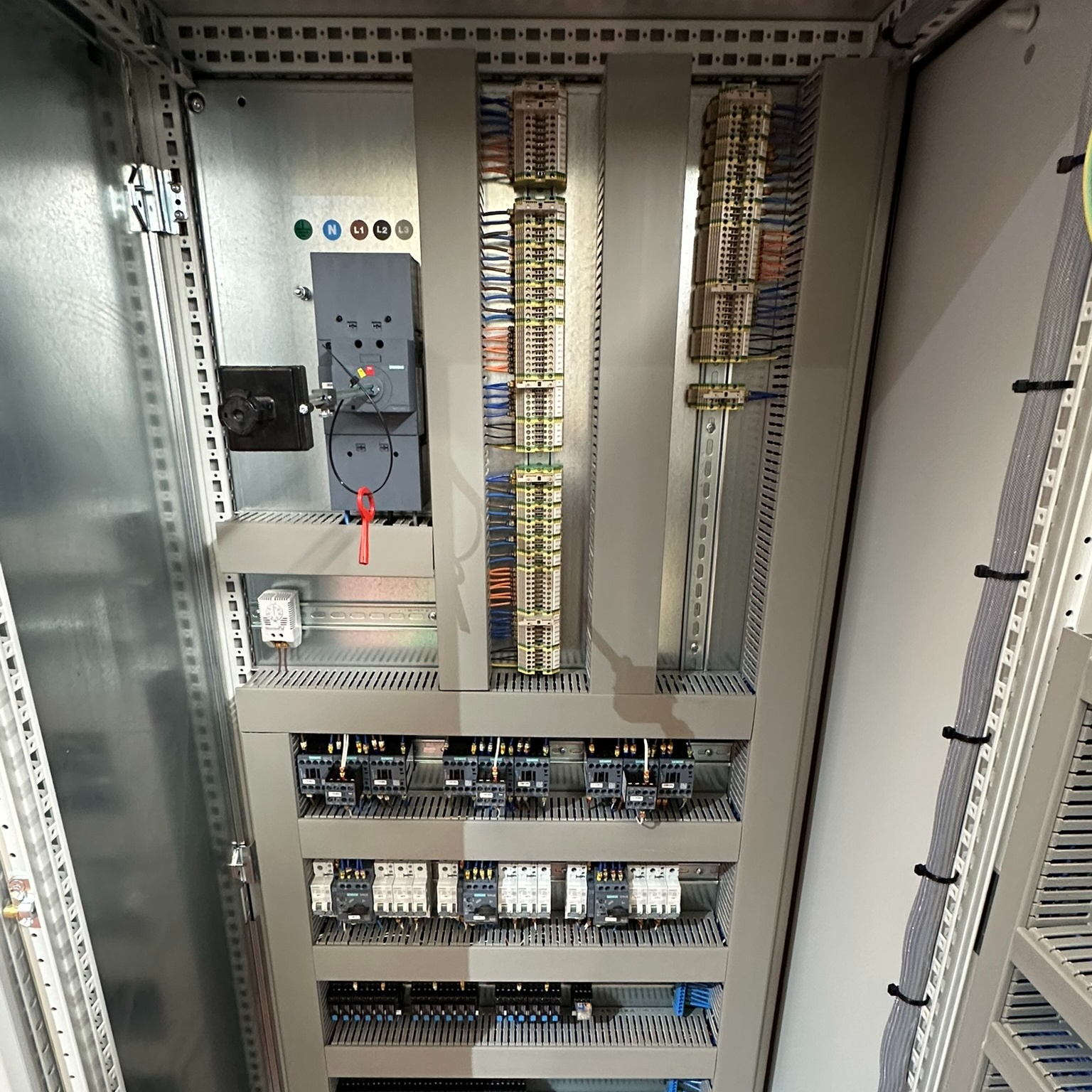
Motor control centres represent the highest concentration of critical spares. Contactors, overload relays, and control transformers within MCCs directly control production equipment. A single contactor failure can halt an entire production line.
Protection relays require particular attention. These devices safeguard expensive motors and drives from electrical faults. When protection fails, subsequent faults can destroy equipment worth significantly more than the relay itself.
Component Categories by Criticality
Electrical components fall into distinct categories based on their impact when they fail:
Mission-Critical Components: Immediate production stoppage (main circuit breakers, key contactors, critical PLCs)
Safety-Critical Components: Loss of protection or emergency systems (protection relays, emergency stop circuits)
Operational Components: Reduced efficiency or quality impact (indicating lights, non-critical sensors)
Convenience Components: Minimal operational impact (cabinet lighting, convenience outlets)
💭 Engineering Insight:
Focus spares inventory on components with both high failure probability and high consequence. A rarely-used emergency generator transfer switch may be mission-critical but doesn't justify spare inventory if it operates once per year and has proven reliability.
Risk Assessment Framework for Spare Parts Priority Classification
Effective risk assessment combines failure probability with business impact to create prioritised spares requirements. This systematic approach prevents both over-stocking low-risk components and under-stocking critical items.
Risk calculation considers multiple factors simultaneously. Failure rate data, supplier lead times, and operational consequences create a comprehensive priority matrix.
📋 Risk Priority Matrix:
High Probability + High Impact: Primary spare requirement with immediate replacement capability
Low Probability + High Impact: Strategic spare with expedited procurement agreements
High Probability + Low Impact: Preventive maintenance focus rather than spare inventory
Low Probability + Low Impact: Standard procurement, no strategic inventory
Component age and operating environment significantly influence failure probability. Contactors operating in high-temperature environments near ovens or furnaces fail more frequently than those in climate-controlled electrical rooms.
Business Impact Quantification
Accurate impact assessment requires understanding true downtime costs beyond lost production. Factors include:
Direct production losses during downtime
Quality issues from uncontrolled shutdowns
Contract penalties for missed deliveries
Emergency labour costs for urgent repairs
Expedited shipping costs for replacement parts
Inventory Management Strategies: Stock Levels vs Downtime Costs
Strategic inventory management balances carrying costs against downtime risks through systematic analysis of optimal stock levels. This approach considers component characteristics, failure patterns, and operational requirements.
Inventory strategies vary by component type and facility requirements. High-turnover items with predictable failure rates follow different rules than expensive, rarely-failing components.
🗒 Stock Level Calculation Process:
Calculate annual failure rate from maintenance records
Determine supplier lead times for standard and expedited delivery
Assess carrying costs including storage, insurance, and obsolescence
Compare total costs of inventory vs downtime scenarios
Set reorder points based on lead time plus safety stock
Tiered Inventory Approach
Effective programmes use multiple inventory tiers based on component characteristics:
Tier 1 - Immediate Stock: Components requiring instant availability due to high failure rates or severe consequences. Typically includes common contactors, fuses, and overload heaters for critical circuits.
Tier 2 - Strategic Stock: Lower-frequency items with significant lead times. Includes specialty relays, motor starters for critical equipment, and custom control panels.
Tier 3 - Supplier Agreements: Expensive or rarely-failing components covered by expedited procurement contracts rather than inventory.
📌 Capital Optimisation:
A well-structured critical spares programme typically reduces total inventory investment by 20-30% while improving availability. The key is concentrating resources on genuinely critical items rather than maintaining broad-spectrum inventory.
Procurement Processes for Emergency and Planned Component Replacement
Procurement processes must accommodate both planned maintenance requirements and emergency failures. Different scenarios demand different approaches to vendor relationships, purchasing authorities, and logistics.
Emergency procurement operates under time pressure with limited options for competitive sourcing. Planned procurement allows optimisation for cost and quality but requires accurate forecasting.
Emergency Procurement Protocols
Emergency situations require pre-established procedures that bypass normal procurement delays:
Pre-approved vendor lists with emergency contact protocols
Elevated purchasing authorities for maintenance managers during outages
Express shipping accounts with major carriers
Alternative sourcing options including surplus and exchange components
⚠️ Quality Control Risk:
Emergency procurement increases the risk of receiving counterfeit or substandard components. Verify supplier credentials and component authenticity before installation, even under time pressure.
Planned Procurement Optimisation
Routine procurement for maintenance shutdowns enables cost optimisation and quality assurance:
Annual procurement planning aligned with maintenance schedules
Competitive sourcing for non-critical timeline requirements
Bulk purchasing agreements for commonly-used components
Quality certification requirements for safety-critical items
Supplier relationships prove crucial for both emergency and planned procurement. Establish agreements with multiple suppliers to avoid single points of failure in the supply chain itself.
Obsolescence Management and Component Lifecycle Planning
Component obsolescence represents a growing challenge as industrial equipment operating lives extend beyond component manufacturing cycles. Proactive obsolescence management prevents situations where critical spares become unavailable.
Electrical components typically follow predictable lifecycle patterns. Understanding these patterns enables strategic purchasing before discontinuation.
💡 Lifecycle Intelligence:
Most industrial electrical components have 15-20 year production cycles, but industrial equipment operates for 25-30 years. This mismatch creates inevitable obsolescence challenges that require systematic management.
Obsolescence Monitoring Systems
Effective obsolescence management requires systematic monitoring of component lifecycle status:
Manufacturer product lifecycle notifications
Industry databases tracking discontinuation announcements
Alternative component identification and testing
Last-time-buy decisions for end-of-life components
When components approach end-of-life, facilities face strategic decisions: purchase lifetime requirements, identify alternatives, or plan equipment replacement.
Alternative Component Qualification
Identifying suitable alternatives requires technical analysis and testing:
Functional specification matching
Physical compatibility verification
Performance characteristic comparison
Safety certification equivalence
Installation and commissioning procedure updates
📋 Obsolescence Response Framework:
Early Warning (2+ years notice): Evaluate alternatives and plan transition
Final Order (6-12 months notice): Calculate lifetime requirements and execute last-time-buy
No Longer Available: Implement alternative solutions or plan equipment replacement
Emergency Sourcing: Source surplus, refurbished, or exchange components
Documentation and Configuration Management for Critical Spares
Comprehensive documentation ensures critical spares can be installed correctly and commissioned quickly during emergency situations. Poor documentation transforms available spares into unusable inventory.
Documentation requirements extend beyond basic part numbers to include installation procedures, configuration data, and testing protocols specific to each application.
Essential Documentation Elements
Complete spares documentation includes multiple information types:
Component Specifications: Full part numbers, ratings, and technical characteristics
Installation Procedures: Step-by-step replacement instructions with safety precautions
Configuration Data: Parameter settings, calibration values, and programming requirements
Testing Protocols: Commissioning procedures to verify correct operation after installation
Vendor Information: Supplier contacts, technical support, and warranty terms
🗒 Configuration Backup Process:
For programmable components like relays and drives, maintain current configuration files with installation procedures. Include parameter lists, connection diagrams, and commissioning test sequences specific to each installation location.
Digital Asset Management
Modern documentation systems enable rapid access during emergency situations:
Cloud-based document storage with mobile access
QR codes linking physical spares to digital documentation
Version control ensuring current information availability
Integration with maintenance management systems
Documentation must remain current as systems change. Regular audits verify that spares documentation matches actual installation configurations.
The JBB Critical Spares Management Methodology
📋 The JBB Critical Spares Management Methodology:
Assess: Systematic analysis of electrical systems identifies single points of failure, evaluates component failure rates and lead times, and quantifies downtime costs to establish risk-based spare parts priorities specific to control panels, motor control centres, and protection systems.
Modernise: Strategic replacement of obsolete components with current alternatives during planned maintenance windows, updating spare parts inventory to match system changes, and establishing supplier agreements for components with extended lead times.
Protect: Implementation of controlled storage environments for sensitive electronic components, establishing quality verification procedures for critical spares, and maintaining configuration backups and installation procedures that enable rapid deployment during emergencies.
Prevent: Predictive analysis of component lifecycle status identifies obsolescence risks before they impact availability, coordinated procurement schedules align spare parts availability with maintenance planning, and alternative component qualification ensures continuity despite manufacturer changes.
Support: Comprehensive documentation systems enable correct installation and commissioning of critical spares under emergency conditions, with ongoing inventory audits and supplier relationship management ensuring the Critical Spares programme delivers reliable component availability when needed.
This systematic approach transforms spare parts inventory from a capital burden into a strategic asset that enables predictable maintenance outcomes and protects against extended downtime.
Measuring Success: KPIs for Critical Spares Program Effectiveness
Effective measurement systems track both operational outcomes and financial performance to demonstrate programme value and identify improvement opportunities. Key performance indicators must reflect the dual objectives of availability and cost optimisation.
Measurement systems should capture leading indicators that enable proactive management, not just lagging indicators that report historical performance.
Operational Performance Metrics
Primary operational metrics focus on availability and response capability:
Stock-Out Events: Instances where required spares were unavailable during failures
Emergency Procurement Frequency: How often normal procurement processes were bypassed
Mean Time to Repair (MTTR): Average repair duration including spares procurement time
Spare Parts Fill Rate: Percentage of maintenance requests fulfilled from inventory
✅ Performance Benchmark:
Well-managed critical spares programmes achieve 95%+ fill rates for genuinely critical components while maintaining inventory turnover ratios of 2-3 times per year, indicating optimal balance between availability and capital efficiency.
Financial Performance Indicators
Financial metrics demonstrate programme value and guide capital allocation decisions:
Inventory Turnover: Annual usage value divided by average inventory value
Carrying Cost Percentage: Total inventory costs as percentage of inventory value
Downtime Cost Avoidance: Estimated costs prevented through spare availability
Emergency Premium Costs: Additional costs for expedited procurement
Regular programme reviews should balance these metrics against each other. Extremely high inventory turnover may indicate insufficient safety stock, while low turnover suggests over-investment in slow-moving items.
✅ Programme Review Checklist:
Quarterly stock-out incident analysis and root cause investigation
Semi-annual inventory valuation and turnover calculation
Annual obsolescence risk assessment and mitigation planning
Continuous supplier performance monitoring and relationship management
Success metrics should drive continuous improvement rather than simply report status. Regular analysis of stock-out events reveals whether spare parts selection criteria need adjustment or whether supplier lead times have changed.
Next Step: Request a Compliance & Breakdown Prevention Assessment
A Compliance & Breakdown Prevention Assessment identifies the spares, obsolescence, and recovery-time risks affecting your operation - from single points of failure in PLC modules, drives, and HMI screens, through components already end-of-life on manufacturer support, to the procurement lead times that turn a one-hour fault into a multi-day outage. It sets out a site-specific spares strategy with installation procedures and configuration backups, so recovery is measured in hours rather than days. Request a Compliance & Breakdown Prevention Assessment today to establish strategic spare parts inventory that eliminates extended downtime while optimising capital allocation.
Our Critical Spares Strategy & Component Supply service ensures your facility maintains the right components in the right quantities to prevent costly production interruptions.