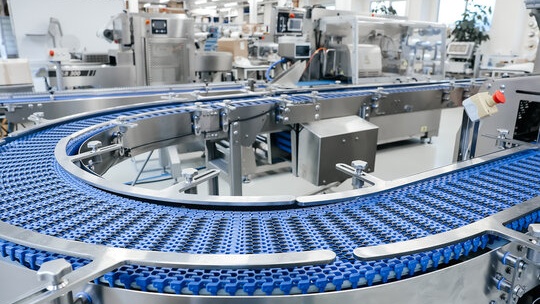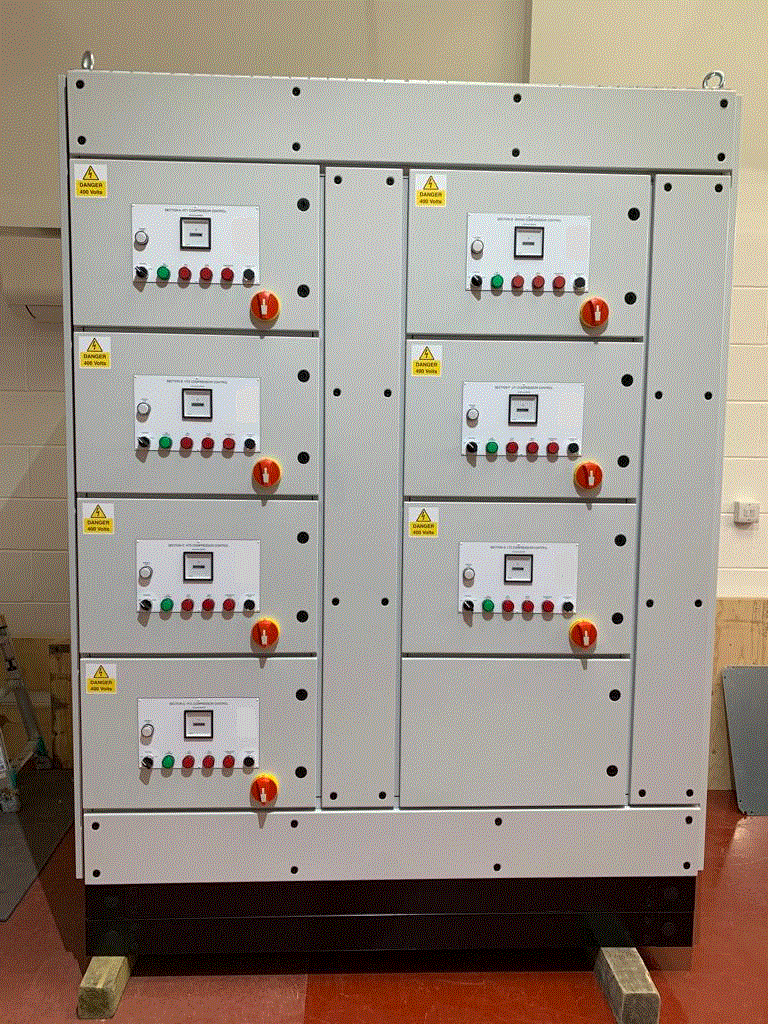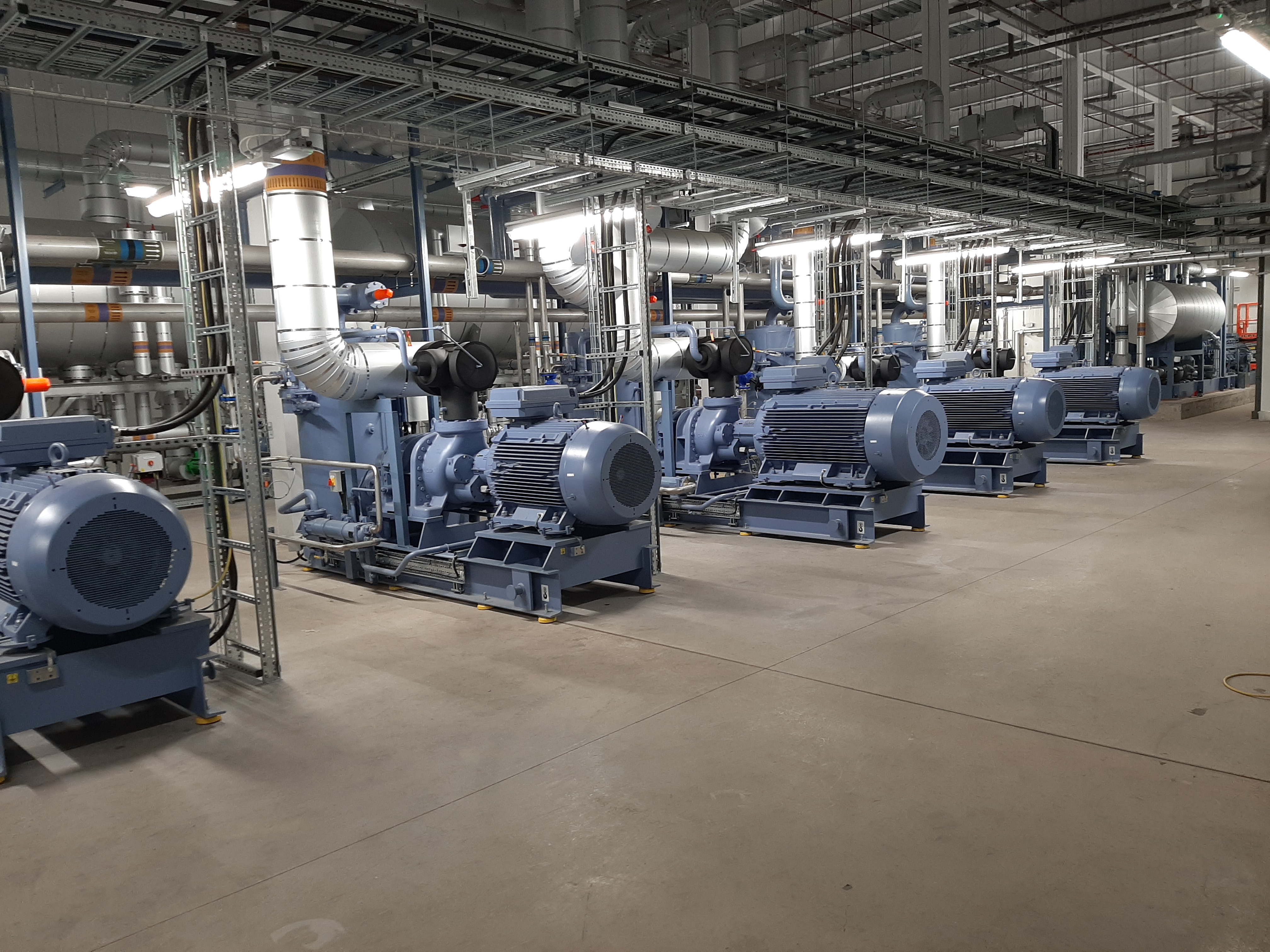
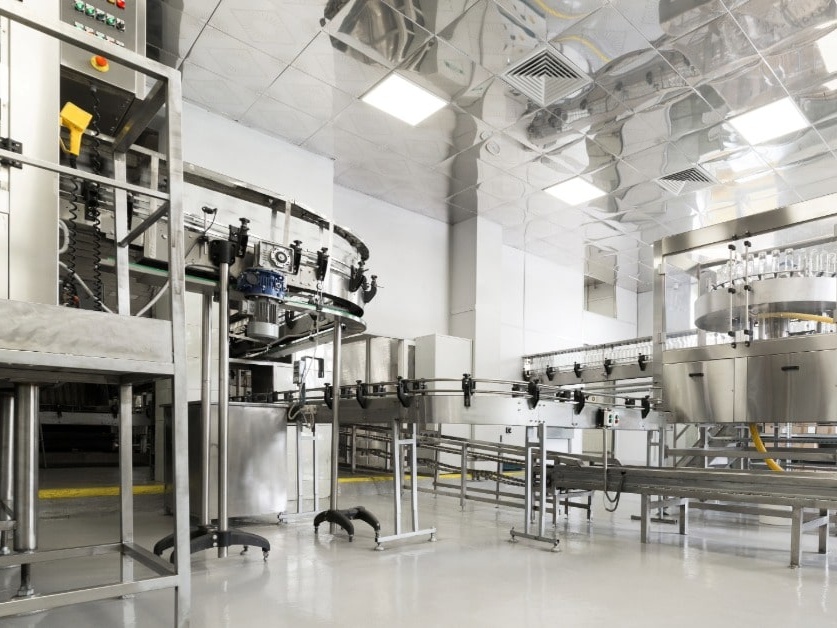
A food manufacturing audit rarely fails because of a single dramatic electrical fault. In most cases, audits fail due to small, cumulative compliance gaps - undocumented control panels, expired test certificates, ageing wiring, unsupported automation systems, or a lack of clear ownership over electrical risk. Maintaining electrical compliance is vital for companies in the food manufacturing business to prevent hazards and ensure operational continuity.
In food manufacturing, electrical compliance is not a background technical issue. It underpins food safety, production continuity, insurance cover, and brand protection. Electrical systems power refrigeration, processing lines, environmental monitoring, and automation. If those systems are not demonstrably compliant, auditors will question the integrity of the wider operation.
Failure to comply with electrical regulations can result in serious consequences such as lawsuits, increased insurance premiums, and decreased property value.
This guide provides a structured electrical compliance checklist specifically for food manufacturing audits. It explains what auditors look for, where sites typically fail, how compliance affects operational risk, and what preventive measures improve audit outcomes, uptime, and long-term resilience.
💡 Key Insight: Most audit failures are not caused by unsafe electrical systems - they are caused by poor documentation, ageing assets, and lack of visibility over electrical risk.
Why Electrical Compliance Is Critical in Food Manufacturing
Food manufacturing environments present a unique electrical risk profile. Sites typically operate with continuous production, high electrical loads, temperature-critical refrigeration, washdown regimes, and complex automation systems. Unlike many industrial environments, failure tolerance is extremely low. Electrical safety and health in the workplace are paramount, as electrical hazards can compromise both employee health and food safety.
Auditors do not assess electrical systems in isolation. Electrical compliance failures often cascade into wider concerns around hygiene control, maintenance discipline, management oversight, and risk culture. Electrical compliance is regulated by several key regulations and standards in the UK, including the Electricity at Work Regulations 1989 and the Health and Safety at Work Act 1974, which are crucial for regulating electrical installations in commercial properties. A missing certificate or undocumented panel modification can quickly escalate into a broader non-conformance.
📘 Definition - Electrical Compliance (Food Manufacturing): Demonstrable evidence that electrical systems are designed, installed, tested, maintained, and documented in accordance with BS7671, BS EN 60204-1, PUWER, and food safety audit requirements, with clear ownership and traceability.
Regulatory Standards Auditors Expect You to Understand
One common audit weakness is not the absence of compliance, but the absence of clarity. Auditors expect engineering and compliance teams to understand which standards apply to which assets - and why. Understanding and adhering to work regulations and the Health and Safety at Work Act is essential for compliance, as these legal frameworks mandate safe working environments and electrical safety standards.
Key standards typically referenced in food manufacturing audits include:
BS7671 (IET Wiring Regulations) - governs fixed electrical installations. All electrical installations in the UK must comply with the requirements set out in BS 7671, which is a key electrical standard. Compliance with these electrical standards is not optional but a legal requirement.
BS EN 60204-1 - applies to electrical equipment of machines, including control panels
PUWER - covers the safe use and maintenance of work equipment
Food safety standards (BRCGS, SALSA, ISO 22000) - indirectly reference electrical reliability and monitoring controls
Insurer requirements - often mandate inspection intervals, defect reporting, and thermal imaging
⚠ Compliance Warning: Auditors frequently identify gaps where sites cannot clearly explain which standards apply to specific panels, machines, or systems - even if equipment appears to be functioning correctly.
Common Electrical Compliance Risks Identified During Audits
Across UK food manufacturing sites, the same electrical compliance risks appear repeatedly. These are rarely the result of negligence. More often, they result from incremental change, staff turnover, and legacy infrastructure. Regular inspections of electrical equipment are crucial to prevent hazards such as electric shock and electrical fires, ensuring the safety of employees and compliance with regulations.
❌ Common Compliance Failures
Expired or missing Electrical Installation Condition Reports (EICRs)
Control panels with no schematics or outdated drawings
Electrical modifications made without re-certification or documented change control
Inadequate ingress protection in washdown or high-humidity areas
Unsupported PLC hardware or obsolete software platforms
No documented preventive maintenance regime or incomplete service records
Poor labelling of isolators, emergency stops, and circuits
No thermal inspection records or unresolved thermal defects
No clear critical spares strategy for single-point failures
Inspections not carried out by qualified electricians, which is essential to identify potential hazards and prevent hazards such as electric shock and electrical fires
The Electrical Compliance Checklist for Food Manufacturing Audits
The checklist below reflects what auditors, insurers, and compliance bodies expect to see. It is designed to support proactive assessment rather than last-minute remediation. Defining essential tasks, scheduling regular tests, and ongoing efforts to maintain compliance are key aspects of an effective electrical compliance checklist.
Before you begin, note that routine in-house visual checks are essential for identifying obvious issues before they escalate. Staff should be trained to report safety concerns immediately, as early reporting is crucial for maintaining safety and compliance.
☑ Electrical Compliance Audit Checklist
Certification and Testing
✅ Valid EICR in place and within required inspection interval
✅ NICEIC (or equivalent) certification available for new installations
✅ Evidence of remedial works completed, recorded, and signed off
Control Panels and Machinery
✅ Control panels compliant with BS EN 60204-1
✅ Up-to-date electrical schematics and panel layouts available
✅ Clear segregation of power, control, and safety circuits
✅ Emergency stops tested with evidence and functional records
Environmental Suitability
✅ Appropriate IP ratings for wet, washdown, and cold environments
✅ No evidence of water ingress, corrosion, contamination, or compromised glands
Maintenance and Inspection
✅ Documented preventive maintenance regime with defined intervals
✅ Thermal imaging inspections completed and recorded
✅ Clear defect reporting process with tracked close-out actions
Automation and Software
✅ PLC and HMI systems supported by manufacturers or validated support plan
✅ Current backups of PLC/HMI software and configurations stored securely
✅ Clear ownership of automation lifecycle, changes, and vendor access
Resilience
✅ Critical spares identified, stocked, and reviewed against lead times
✅ Isolation and emergency response procedures documented and accessible
What Auditors Typically Ask for in the First 30 Minutes
Understanding the audit process itself is a major advantage. Many sites are technically compliant but lose confidence early due to disorganised responses. In the opening phase, electrical questions are often designed to test whether you have control, visibility, and traceability.
Common opening questions include:
“Can you show me your latest EICR and evidence of actions completed?”
“Which panels support refrigeration and other production-critical processes?”
“How do you manage electrical maintenance and defect close-out?”
“Who owns changes to control panels or PLC systems?”
“What happens if this system fails out of hours - and how quickly can you respond?”
It is essential to have a clear point of contact who is responsible for maintaining up-to-date documentation of electrical installations. This documentation should include current EICR certificates, PAT test records, and logs of all visual inspections and maintenance.
💡 Key Insight: Audit confidence is driven by evidence and structure, not by claiming that systems “have always worked”.
Control Panels - A Major Audit Focus Area
Control panels are a frequent audit focal point because they concentrate electrical risk, automation, and documentation in one asset. Over time, panels often evolve through incremental changes - additional sensors, bypasses, temporary fixes that become permanent. Without disciplined documentation and re-certification, compliance erodes quietly.
Auditors typically assess:
Panel build standards and workmanship
Clear labelling and safe isolation
Safety circuit integrity and emergency stop performance
Documentation accuracy - drawings match what is installed
Environmental suitability for washdown, humidity, and cold zones
Accessibility requirements: at least 3 feet of clear space in front of the panel and 30 inches across, with all breakers clearly labelled
All components, including circuit breakers and fuses, are correctly rated for their circuits and are functioning properly
⚠ Audit Warning: A control panel can operate reliably for years and still fail an audit if drawings, safety compliance, segregation, or environmental protection standards are not met.
Modernising panels is often the fastest route to compliance confidence and uptime protection. It improves fault-finding speed, reduces overheating risk, and creates an integration-ready platform for future upgrades.
Preventive Maintenance as a Compliance Requirement
Preventive maintenance is increasingly treated as a compliance expectation in food manufacturing. Auditors want evidence that electrical assets are actively managed, not simply repaired when they fail. The benefits of regular maintenance include improved efficiency, reduced costs associated with unexpected downtime and repairs, and safeguarding both reputation and financial stability through regular inspections and prompt attention to electrical issues. That means documented intervals, consistent inspection methods, and traceable close-out of defects.
Effective preventive maintenance typically includes: visual inspections, torque checks, functional testing of safety devices, insulation testing where appropriate, and thermal imaging of panels and high-load distribution. Prompt repairs and ongoing efforts to maintain compliance are essential to control costs, reduce downtime, and ensure safety.
📊 Industry Insight: Electrical faults caused by overheating connections remain one of the most common contributors to unplanned downtime in food production environments, particularly where panels are heavily loaded, and changes have accumulated over time.
How Automation and PLC Systems Affect Audit Outcomes
Automation systems increasingly support food safety functions - temperature monitoring, alarms, logging, interlocks, and process sequencing. As a result, PLC, HMI, and SCADA systems now form part of the compliance landscape. Unsupported platforms, undocumented logic, or “single engineer knowledge” introduce compliance, operational, and cyber risk. The complexity of managing automation systems highlights the need for clearly defined tasks and the expertise of qualified professionals to ensure compliance and safety. Electrical engineers provide guidance and support to electricians in implementing safety measures for automation systems.
Auditors are increasingly alert to whether automation systems are maintainable and supportable long-term. They may not inspect code line-by-line, but they will test whether you have lifecycle control: backups, access management, documentation, and a support plan.
❗ Important: Unsupported PLC hardware or software is a growing audit red flag due to lifecycle, cybersecurity, and resilience concerns - especially when systems control refrigeration, critical alarms, or production-critical sequencing.
Mapping Responsibility - A Common Hidden Failure Point
Many compliance issues arise not from poor engineering but from unclear responsibility. In practice, sites accumulate equipment from multiple suppliers, each with different documentation standards and lifecycle commitments. Companies and business owners are responsible for ensuring that only qualified contractors and electricians with the necessary certifications work on electrical installations. Qualified electricians and electrical engineers are required to hold specific certifications and qualifications to work on electrical installations. Using NICEIC Approved Contractors ensures that all electrical work is carried out to the highest safety standards. Over time, modifications blur the line between “machine supplier responsibility” and “site responsibility”.
If you cannot answer these questions clearly, you are exposed:
Who owns the control panel after machine installation?
Who approves electrical and PLC changes?
Who maintains software backups and version control?
Who assesses lifecycle risk and obsolescence?
Who signs off remedial works against test findings?
❌ Common Mistake: Assuming responsibility lies with a supplier or previous contractor without documented confirmation, while changes continue to be made on-site.
Applying the JBB Compliance Framework
JBB Electrical applies a structured engineering framework designed for compliance-driven, production-critical environments. The goal is to move you from reactive compliance to controlled, audit-ready operation, with measurable risk reduction and improved uptime. Maintaining electrical compliance is a key aspect of this framework, and ongoing support is provided to ensure audit compliance. Electrical Installation Condition Reports (EICRs) and maintenance records are necessary for audit compliance in both residential and commercial properties.
📋 JBB Compliance and Reliability Framework
Assess - Identify electrical, automation, and documentation risks
Modernise - Upgrade non-compliant or obsolete systems with clear engineering standards
Protect - Implement safeguards, alarms, monitoring, and resilient control design
Prevent - Introduce structured preventive maintenance, thermal inspection, and defect governance
Support - Provide ongoing technical support, audit readiness improvements, and lifecycle guidance
From Audit Survival to Audit Confidence
The strongest food manufacturing sites do not prepare for audits - they operate in a permanently audit-ready state. Electrical compliance becomes part of daily operational discipline: documentation is current, risks are visible, maintenance is planned, and responsibility is clear.
When you address electrical compliance proactively, you reduce audit stress, prevent downtime, protect product integrity, and demonstrate operational maturity to auditors, insurers, and customers.
✅ Positive Outcome: Sites with documented electrical compliance frameworks typically experience smoother audits, fewer non-conformances, faster corrective action close-out, and improved operational resilience.
Book a Compliance and Breakdown Prevention Assessment
If you are unsure how your electrical infrastructure would stand up to a food manufacturing audit, a structured assessment provides clarity before issues escalate. JBB Electrical’s Compliance and Breakdown Prevention Assessment identifies hidden risks, documentation gaps, obsolete or unsupported assets, and practical upgrade and prevention priorities.
Request a Compliance and Breakdown Prevention Assessment to move from uncertainty to confidence.
Frequently Asked Questions
What risks does poor electrical compliance create in food manufacturing?
Poor electrical compliance increases the risk of audit failure, unplanned downtime, product loss, insurance disputes, and safety incidents. Minor documentation gaps can trigger deeper audit scrutiny, while overlooked defects - such as overheating connections or non-compliant panel modifications - can lead directly to breakdowns.
How does electrical compliance affect food safety audits?
Electrical systems underpin refrigeration, processing, and monitoring. Non-compliant electrical infrastructure increases the risk of temperature excursions, alarm failures, and loss of traceability. In audit terms, electrical non-conformances often indicate broader weaknesses in maintenance control and risk governance.
What preventive measures should food manufacturers implement?
Implement a documented preventive maintenance regime, regular testing and certification, thermal imaging inspections with defect close-out, control panel modernisation where documentation or build standards are weak, supported PLC and HMI platforms with secure backups, and a critical spares strategy aligned to lead times and single-point failures.