Electrical testing and Electrical Installation Condition Reports (EICRs) are often spoken about as if they are interchangeable. In industrial environments, this misunderstanding creates a false sense of security that can quietly expose organisations to compliance breaches, unplanned downtime, and serious safety risk.
For production-dependent and temperature-critical sites, electrical systems are not static assets. They are dynamic, continuously stressed by load variation, environmental conditions, and operational change. Treating electrical compliance as a periodic paperwork exercise rather than an ongoing engineering responsibility is one of the most common risk patterns JBB encounters on industrial and commercial sites.
This article explains the difference between electrical testing and EICRs, why industrial sites require both, how each contributes to compliance and uptime, and how a structured approach prevents failures that otherwise appear “unexpected”.
💡 Key Insight: An EICR demonstrates compliance at a moment in time. Electrical testing maintains safety and reliability between those moments.
Introduction to Electrical Safety
Electrical safety is the cornerstone of protecting people, property, and business continuity in both residential and commercial properties. With the ever-present risk of electrical fires and shocks, maintaining robust electrical safety standards is not just best practice—it is a legal requirement. The Electrical Installation Condition Report (EICR) plays a vital role in this process, offering a thorough assessment of the condition of electrical installations and helping to identify issues before they escalate into serious hazards. Regular EICR inspections are essential for ensuring ongoing electrical compliance, as they provide a clear report on the safety and integrity of your installation. Engaging a competent person to carry out these inspections ensures that all aspects of electrical safety are addressed, from identifying hidden faults to verifying that your property meets current regulations. Ultimately, prioritising electrical safety through routine EICR inspections and compliance measures is key to preventing electrical fires and safeguarding both people and assets.
Why Industrial Electrical Compliance Is Different
Industrial installations deteriorate faster than light commercial systems due to factors like continuous duty cycles, high inrush currents, elevated temperatures, vibration, washdown regimes, and frequent modifications. Different types of industrial environments require tailored inspection and testing approaches due to their unique operational demands.
In food manufacturing electrical safety compliance, cold storage, and process environments, minor electrical faults can trigger major knock-on effects. One panel fault can stop a line, disrupt safety systems, or cause temperature excursions that lead to product loss and audit scrutiny. External influences, such as temperature, humidity, and operational cycles, can affect the recommended frequency and scope of inspections. That is why industrial compliance needs both periodic reporting and ongoing testing and maintenance.
Understanding Electrical Installation
An electrical installation encompasses all the wiring, circuits, and equipment that distribute electricity throughout a property. Whether in a new build or an existing facility, understanding the nature and layout of your electrical installations is crucial for maintaining electrical safety and compliance. New electrical installations must be designed and constructed in line with the IET Wiring Regulations, which set the benchmark for safe electrical practices across the industry. Fixed wire testing is a critical part of ongoing inspection and testing, as it helps uncover hidden defects, wear, or deterioration that could lead to electrical fires or other hazards. By regularly inspecting and testing your electrical installations, and engaging specialist electrical installation and design services where appropriate, you can identify and address risks early, ensuring that your property remains safe, compliant, and free from preventable electrical incidents.
What Electrical Inspection and Testing Actually Involves
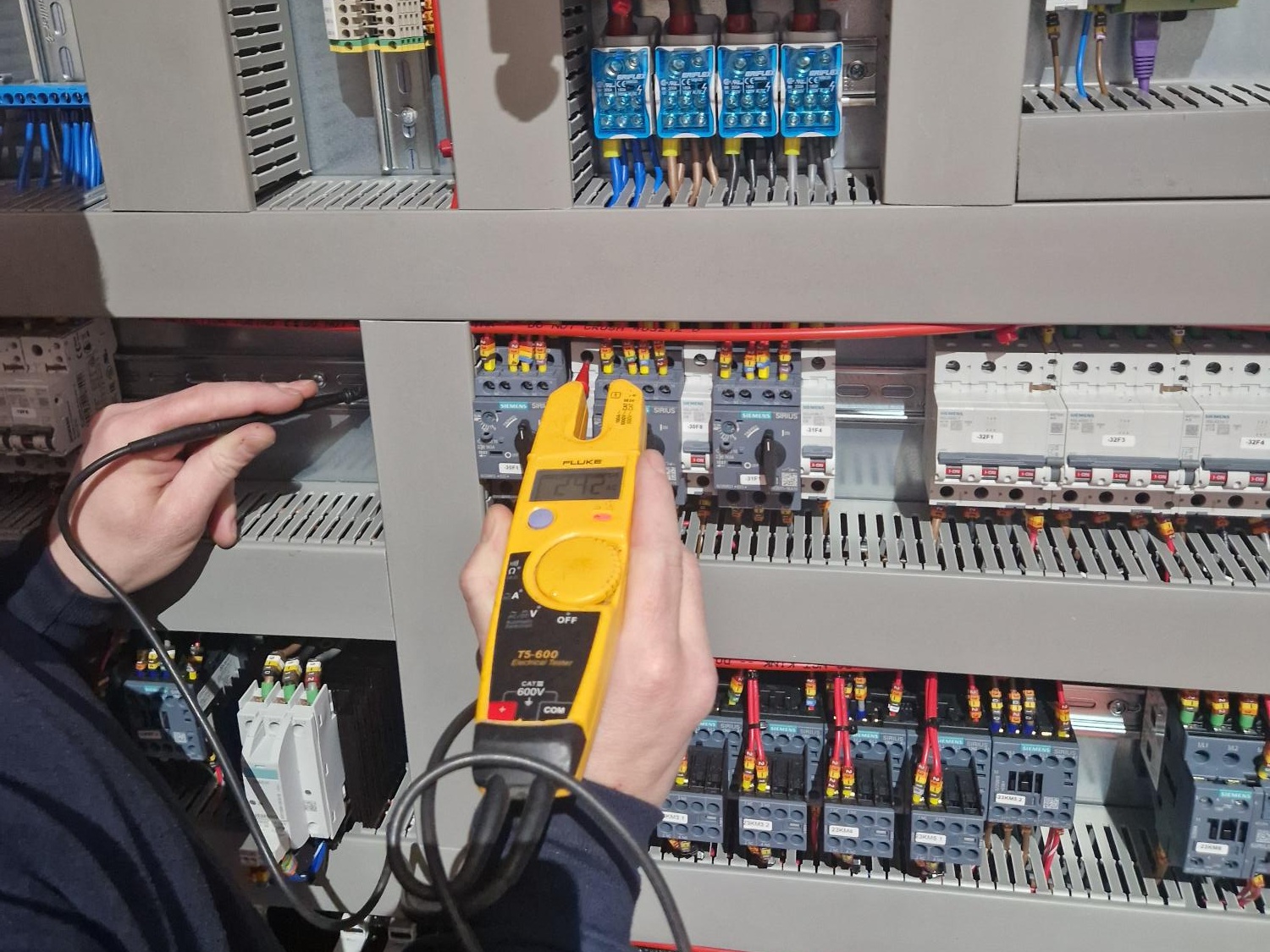
Electrical testing is the ongoing verification that systems remain safe, functional, and fit for purpose, and is conducted by a qualified electrician or competent person. It is typically built into preventive maintenance schedules and planned shutdowns, with the aim of finding deterioration early, before nuisance tripping, overheating, insulation failure, or breakdowns occur.
Common industrial tests include:
Continuity testing of protective conductors
Insulation resistance testing on circuits and equipment
Earth fault loop impedance verification
Prospective fault current measurement
Functional testing of protective devices and isolation
A wide range of electrical testing and EICR services for industrial sites are available for industrial environments, including technical consulting, safety compliance, and advanced inspections.
📘 Definition: Electrical testing is the structured inspection and measurement of electrical systems to verify continued safety, performance, and compliance with design and regulatory requirements.
⚠ Warning: Passing tests at installation does not guarantee ongoing safety. Degradation begins as soon as systems are energised and loaded.
Electrical testing services can also include thermographic surveys using thermal imaging cameras to detect potential problems.
What an EICR Is - And What It Is Not
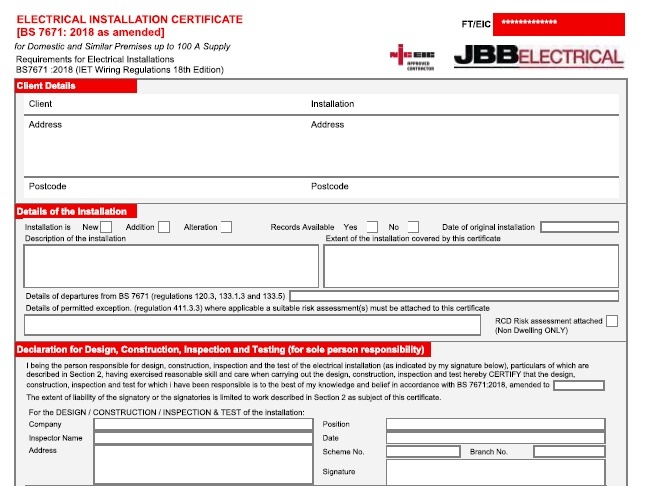
An EICR is a formal certificate documenting the condition of an installation against BS 7671, designed to identify non-compliances, safety defects, and deterioration that could present danger. The EICR serves as an official record for legal compliance, safety assurance, and ongoing maintenance. It is distinct from an Electrical Installation Certificate (EIC), which is issued after new electrical work is completed to confirm compliance with safety standards.
It typically includes:
Visual inspection of electrical infrastructure and distribution, where components are carefully inspected for visible defects
Verification of earthing and bonding
Assessment of protective devices and isolation
Site based testing of circuits and key parameters
Classification of defects with remedial guidance
After these steps, a qualified electrician can issue both an Electrical Installation Certificate (EIC) for new or altered work and an EICR for existing installations. The process of obtaining these certificates involves having the installation inspected and tested by a qualified professional. An EICR acts as a health check for existing electrical installations, while an EIC (Electrical Installation Certificate) is provided after new work is completed.
Important: An EICR does not replace maintenance, and it does not monitor deterioration between inspection cycles. It confirms the condition only at the time of inspection.
Understanding EICR Defect Codes in Practice
EICR observations are coded to reflect risk:
C1 Immediate danger (danger present, immediate remedial action required due to risk of injury)
C2 Potentially dangerous (urgent remedial action required, remedial action required)
C3 Improvement recommended
FI Further investigation required
C1 and C2 defects indicate a serious hazard with danger present and a risk of injury, demanding urgent attention from qualified professionals.
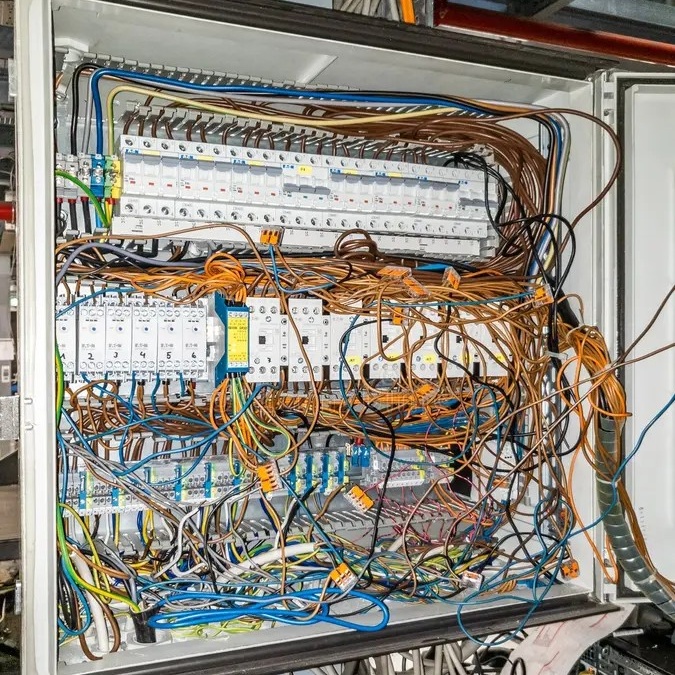
A report containing C2 or FI is unsatisfactory. Even C3 items should be viewed through an industrial lens: “recommended” can still mean high operational risk if it affects production-critical circuits, high-load distribution, or ageing infrastructure near end-of-life.
Electrical Testing vs EICR - The Real Difference
Electrical testing is an ongoing control to maintain safe operation and reduce failure risk. EICRs are periodic compliance instruments to evidence condition at defined intervals. Both electrical testing and EICR should be carried out by a qualified electrician with experience in a range of electrical systems to ensure safety and compliance. The person conducting these inspections must have comprehensive knowledge of different types of electrical installations.
Electrical Testing vs EICR - Industrial Comparison
Electrical testing: risk management and failure prevention (risk-based frequency)
EICR: formal compliance verification at a point in time (often 3–5 years, depending on environment/insurer)
Relying on one without the other creates gaps that failures exploit: EICRs can miss deterioration that develops between inspections, while testing without structured reporting can leave you exposed in audits and insurance scenarios.
The Role of a Competent Person
A competent person is essential to the safe management of electrical installations. This individual possesses the necessary qualifications, experience, and up-to-date knowledge to carry out electrical work, inspection, and testing in accordance with the latest regulations, including the IET Wiring Regulations and the Electricity at Work Regulations. The competent person’s responsibilities include designing, constructing, inspecting, and testing installations to ensure full compliance and safety. During EICR inspections, the competent person conducts a thorough assessment, identifies hazards, and produces a detailed report outlining the condition of the installation and any remedial actions required. Their expertise is critical in recognising risks, ensuring that all electrical work is carried out safely, and that the installation continues to comply with all relevant regulations.
Why Electrical Risk Increases Between EICRs
One of the most persistent misconceptions in industrial compliance is the belief that risk remains static between EICR inspections. In reality, electrical risk is dynamic. It changes continuously as operating conditions, loads, and environments evolve.
Between formal inspections, systems are subjected to thermal cycling, mechanical stress, contamination, and operational change. Production expansions, new machinery, temporary supplies, and process modifications all alter electrical loading patterns. Unless these changes are actively monitored and tested, risk accumulates invisibly.
JBB routinely encounters sites with valid EICRs that nevertheless operate systems beyond their original design assumptions. The report remains valid on paper, but the installation no longer reflects the conditions under which it was assessed.
💡 Key Insight: Compliance does not freeze risk. It documents it. Your operation can change faster than your inspection interval.
Legal and Insurance Implications
UK duty holders must maintain electrical systems in a safe condition at all times, not just at EICR intervals. EICRs are legally required for certain properties, including rental and commercial premises, to ensure compliance with the Electricity at Work Regulations 1989. The responsibility for obtaining an EICR certificate typically lies with the business owner or commercial landlord. Rental properties in England and Wales must have an EICR performed every five years or before the start of a new tenancy, and from May 2026, a valid EICR is a statutory requirement for all rental properties in England, including existing tenancies. Failure to maintain an up-to-date EICR can expose property owners to risks of electrical fires, legal penalties, and increased risk of injury.
After incidents, insurers and investigators typically request evidence of ongoing control, such as maintenance records, defect logs, and proof that risks were identified and acted upon.
❗ Important: An EICR without supporting testing and maintenance records may not provide the protection organisations expect when scrutiny increases.
How Electrical Testing Protects Uptime
Electrical failures rarely stay isolated in industrial settings. A trip can halt production, disrupt refrigeration, compromise safety circuits, and create long restart windows due to stabilisation and quality checks.
Testing reduces both the likelihood and impact of downtime by identifying early-stage defects, such as:
Insulation breakdown trends
Overheating terminations and conductors
Protective device degradation
Drift in fault-path integrity
The goal is not only “pass/fail”, but understanding trends so intervention happens at the best time, not during an emergency.
✅ Operational Outcome: Sites with structured electrical testing programmes experience fewer emergency call-outs and more predictable maintenance windows - because faults are managed before they become failures.
Temperature-Critical Environments: Higher Stakes
In cold storage, food manufacturing, and pharmaceuticals, electrical integrity is inseparable from temperature control. Moisture ingress, washdown regimes, cleaning chemicals, and harsh gradients accelerate deterioration in enclosures, glands, and terminations.
Testing priorities often include:
Control panels serving refrigeration plant
Distribution boards feeding critical cooling loads
Alarm/monitoring circuits (probes, gateways, comms)
Backup power supplies supporting controls
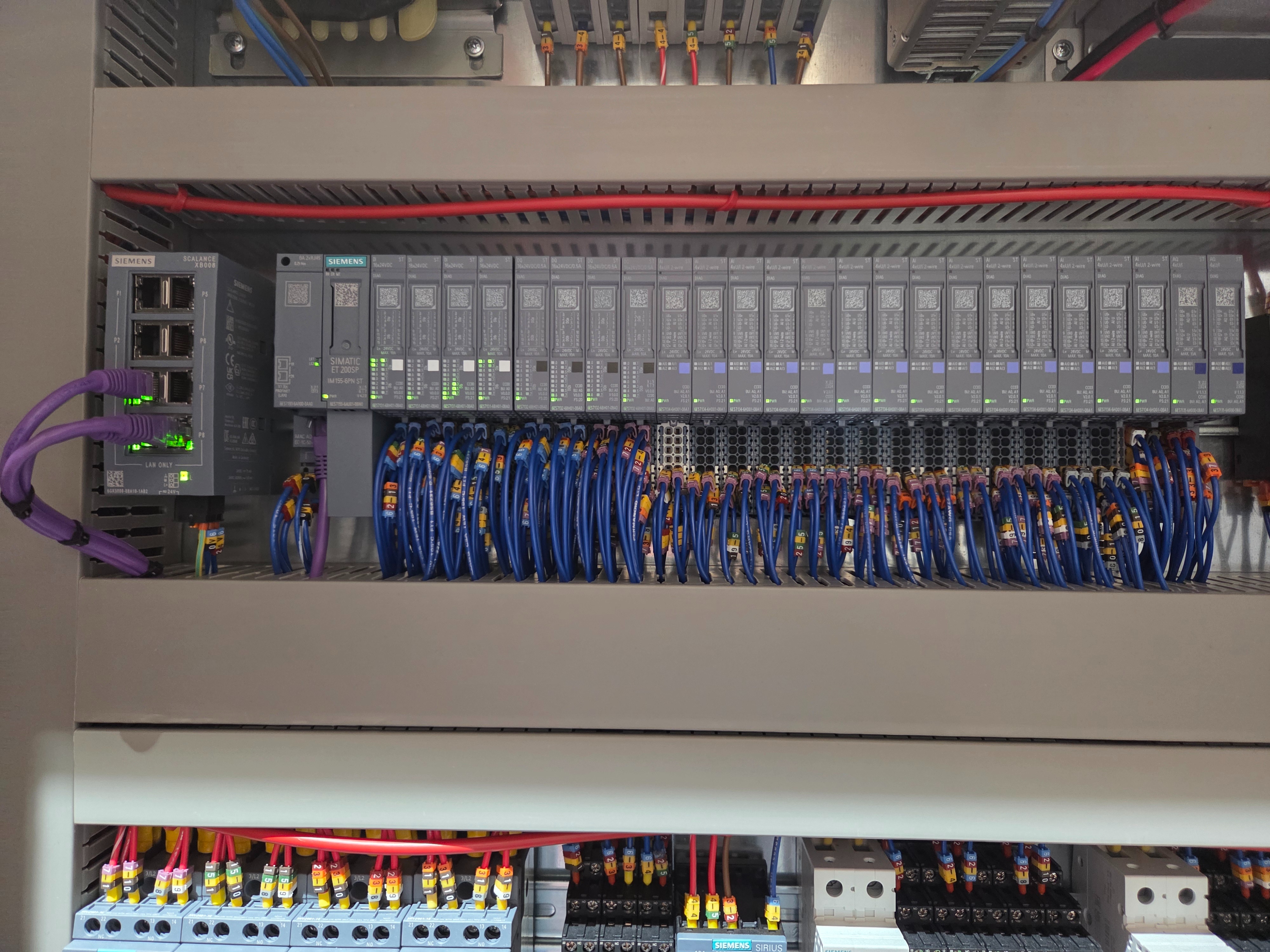
PLC I/O interfaces where faults can be intermittent
Make Testing and Maintenance One System
Testing identifies deterioration. Maintenance resolves it. Separating the two leads to delays, unclear ownership, and defects that linger until they become failures.
A simple integrated workflow:
Inspect (environment, visible condition, thermal review)
Test (measurements and functional verification)
Assess (risk classify and prioritise)
Intervene (plan repairs around shutdowns)
Verify (re-test and update documentation; the process is only complete once certificates, such as the EICR, are issued and all documentation is updated to reflect the latest inspection and testing results)
Preparing for an EICR Inspection
Proper preparation is key to a successful EICR inspection. Start by defining the scope of the inspection and gathering all relevant documentation, such as previous reports, maintenance records, and circuit diagrams. It is essential to appoint a competent person to carry out the inspection and testing, ensuring that all work is performed to the highest standards of safety and compliance. Understanding the recommended frequency of EICR inspections—based on the type of property, its usage, and the age of the installation—helps you stay ahead of potential risks. Regular EICR inspections are a proactive measure to identify hazards, reduce the likelihood of electrical fires, and demonstrate your commitment to meeting all legal and regulatory requirements. By preparing thoroughly, you help ensure that your electrical installation remains safe, compliant, and fit for purpose.
Documentation: The Overlooked Compliance Risk
Undocumented maintenance is indistinguishable from no maintenance. Auditors and insurers often request:
Latest certificate (EICR or EIC) and evidence of defect closure
Testing schedules and records
Maintenance plans and proof of execution
Defect logs, risk assessments, and records of remedial action required and completed
Evidence of changes, panel modifications, and re-testing
Maintaining comprehensive documentation, including the latest certificate and records of any remedial action required, is essential for legal compliance, safety assurance, and effective record-keeping.
Smarter Compliance With Modern Monitoring
Where appropriate, monitoring can improve visibility between inspections and allow more targeted maintenance:
Thermal monitoring of panels and distribution
PLC fault logging and event trend analysis
Remote alarms for out-of-hours abnormalities
Digital asset registers and maintenance record systems
Implementing monitoring solutions across multiple sites or premises ensures consistent compliance with electrical safety obligations and, supported by specialist electrical guides and compliance resources, makes it easier to manage requirements across different properties.
This supports proactive intervention and stronger justification when balancing production and shutdown windows.
JBB’s Integrated Compliance Approach
JBB Electrical provides tailored services to clients across a range of electrical matters, including inspection, testing, maintenance, and consultancy. We are committed to building effective partnerships with our clients to deliver comprehensive electrical inspection and compliance services.
JBB Electrical aligns EICRs, testing, maintenance, and documentation into one compliance-and-uptime strategy:
Assess → Modernise → Protect → Prevent → Support
Assess: identify condition, risk, and documentation gaps
Modernise: address obsolete or non-compliant systems
Protect: add monitoring, alarms, protective measures
Prevent: schedule risk-based testing and planned interventions
Support: maintain audit-ready evidence and long-term oversight
Frequently Asked Questions
What risks does confusing electrical testing and EICRs create?
It creates blind spots between inspection cycles. Deterioration can develop unnoticed, increasing the likelihood of unplanned downtime, safety incidents, and compliance exposure. It can also weaken your position during insurance or audit scrutiny if ongoing maintenance evidence is missing.
How does compliance affect electrical testing requirements?
Compliance is continuous. Regulations and duty-of-care expectations assume installations remain safe at all times, not just when an EICR is issued. Electrical testing provides the ongoing verification and evidence that supports this duty.
What preventive measures should industrial sites prioritise?
Risk-based routine testing, defect tracking, thermal inspections, documentation integrity, and defined remedial workflows. These measures help ensure defects are identified early and resolved before they cause downtime.
How do modern systems improve reliability?
Monitoring, alarms, and diagnostic logging improve risk visibility between inspections. They provide early warning of abnormal conditions, allowing engineers to intervene proactively rather than reacting to failures.
Conclusion and Next Steps
Electrical safety and compliance are ongoing responsibilities that require a proactive, integrated approach. By understanding the importance of electrical installation condition reports, the role of competent persons, and the need for regular inspection and testing, industrial sites and commercial properties can significantly reduce the risk of electrical fires, downtime, and regulatory breaches.
The next steps are clear: schedule regular EICR inspections, maintain comprehensive documentation, and ensure that all electrical work is carried out by qualified professionals. By embedding these practices into your operations, you not only achieve full compliance but also create a safer, more resilient workplace for everyone. For tailored advice or to arrange a consultation, contact a trusted electrical consultancy to support your ongoing compliance and safety needs.