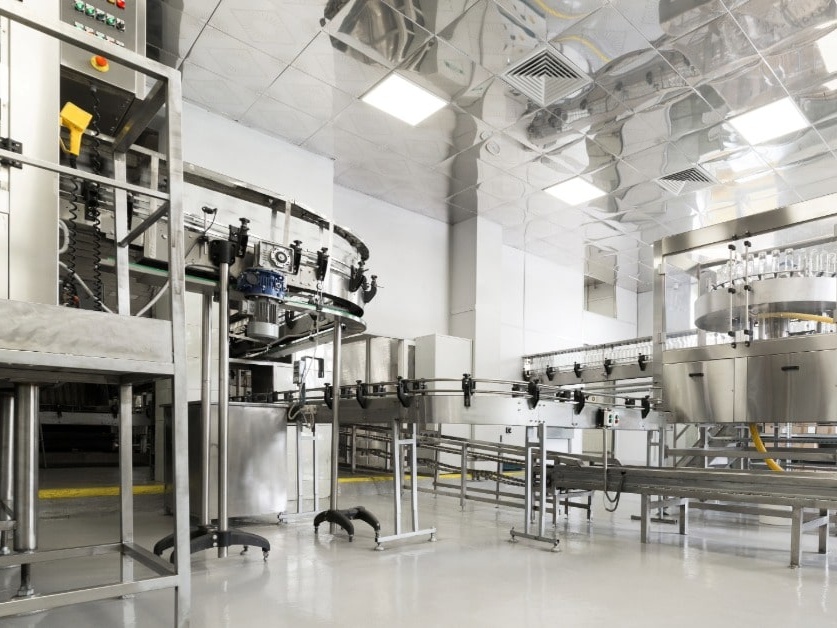
In industrial and temperature-critical environments, downtime is never a simple inconvenience. A single electrical failure can halt production, compromise food safety, breach compliance obligations, and trigger cascading operational losses that extend far beyond the original fault. Unexpected downtime, caused by unplanned equipment failures, can be especially disruptive and costly, impacting both productivity and profitability.
Despite this, many facilities still rely on reactive maintenance models - responding to failures only after they occur. Preventive maintenance scheduling exists specifically to break this cycle. When applied correctly, it represents a proactive approach to maintenance, shifting from firefighting to engineered reliability by identifying and addressing issues before they cause disruptions.
💡 Key Insight: Downtime is rarely caused by sudden failure. It is the predictable result of unmanaged deterioration. Preventive maintenance can significantly reduce unplanned downtime and associated costs.
Why Downtime Is an Engineered Outcome
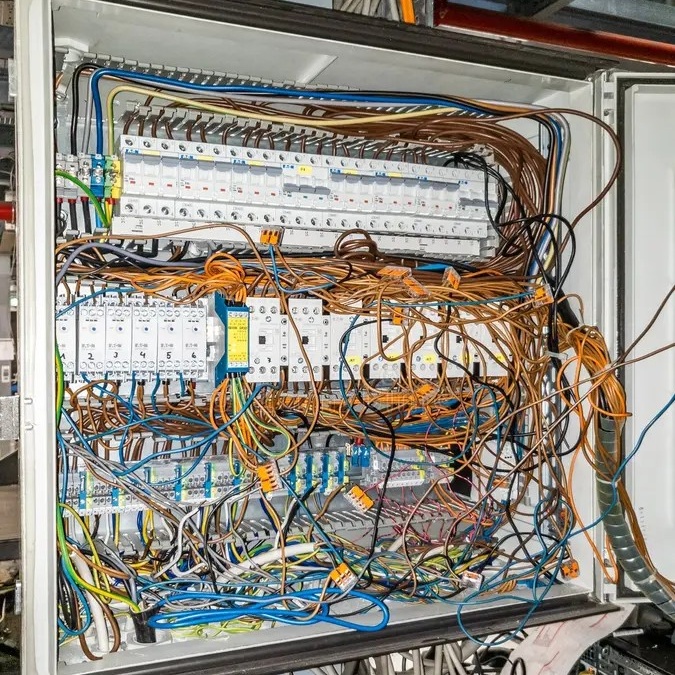
Electrical and control systems do not fail without warning. Components age, insulation degrades, terminations loosen, and thermal stress accumulates due to wear and tear. In production environments operating near capacity, these effects are accelerated by heat, vibration, and continuous load.
The problem is not that these failure mechanisms exist - it is that they often remain invisible until they reach a critical threshold. Regularly inspecting and routinely inspecting machinery components and mechanical parts is crucial to detect early signs of deterioration and prevent equipment failure. Without a structured preventive maintenance schedule, degradation progresses unchecked.
When JBB carry out site assessments, unplanned downtime is most commonly linked to issues that would have been detectable months or years earlier through routine inspection and testing. Regular inspections of machinery and equipment are essential for identifying potential issues before they escalate. Regular inspections of machines and equipment are key to identifying potential issues before they escalate.
📘 Definition: Preventive maintenance scheduling is the structured planning of inspections, testing, servicing, and documentation activities designed to detect deterioration before failure occurs.
Common Hidden Failure Mechanisms
Progressive overheating of terminals and busbars
Contact wear within relays and contactors
Dust and moisture contamination inside control panels
Cooling fan failures are reducing airflow
Gradual load increases exceeding original design assumptions
Addressing these issues often requires timely component replacement, such as swapping out worn belts, bearings, or electrical contacts. Regularly replacing worn-out components is crucial for preventing sudden breakdowns that could disrupt operations.
Left unmanaged, these conditions increase resistance, generate heat, and destabilise control systems - ultimately leading to nuisance trips or catastrophic failure.
⚠ Warning: Waiting for visible failure indicators often means the system is already operating outside safe limits.
The Relationship Between Preventive Maintenance and Compliance
Preventive maintenance is not optional from a compliance perspective. Electrical regulations, safety legislation, and insurance frameworks all assume systems are inspected, tested, and maintained throughout their operational life. In industrial settings, ensuring compliance is critical, particularly regarding the maintenance of electrical installations and adherence to electrical safety standards.
Standards such as BS7671 and BS EN 60204-1 require ongoing verification that systems remain safe and suitable for use. PUWER places a legal duty on employers to ensure work equipment is maintained in an efficient state. These standards also require that a competent person, who is adequately trained, performs inspections and maintenance to ensure accuracy and compliance with safety regulations.
❗ Important: Compliance is based on evidence. If maintenance activity is not recorded, from an audit perspective it did not happen. A preventive maintenance program should include a detailed schedule, predefined inspection lists, and trained staff or contractors.
Typical Compliance Risks Identified by JBB
Expired Electrical Installation Condition Reports
Control panels modified without updated schematics
Unsupported PLC hardware or firmware
Missing thermal inspection records
Inconsistent maintenance intervals across critical assets
Understanding and documenting maintenance needs for each system is crucial for compliance and effective maintenance planning. Identifying critical assets in a facility is essential for prioritizing maintenance efforts and ensuring equipment reliability.
Preventive maintenance scheduling closes these gaps by aligning engineering activity with regulatory expectation and documentation integrity.
How Preventive Maintenance Scheduling Actively Reduces Downtime
Preventive maintenance reduces downtime by converting unpredictable failures into planned interventions. By implementing preventative maintenance, organisations can significantly reduce unexpected downtime, avoiding unplanned equipment failures and costly production stoppages. Instead of responding to breakdowns during production, issues are identified early and resolved during controlled shutdowns.
This approach relies on two core principles: risk prioritisation and consistency. Not all assets carry the same operational impact, and not all inspections need the same frequency. Regular maintenance and effective maintenance management are essential for ensuring system reliability, safety compliance, and optimising asset lifespan.
Preventive maintenance involves regularly scheduled checks, servicing, and repairs to ensure equipment operates at peak efficiency. Effective strategies for reducing downtime through preventive maintenance scheduling require a systematic, data-driven, and collaborative approach.
Preventive Maintenance Scheduling Framework
Asset Mapping – Identify all production-critical electrical systems
Risk Classification – Rank assets by failure impact and load profile
Inspection Frequency – Define intervals based on risk, not convenience; schedule maintenance at fixed intervals (such as daily, weekly, or monthly) to provide predictability and ensure routine upkeep.
Condition Assessment – Use thermal, mechanical, and visual data
Planned Remediation – Replace or repair before failure occurs, utilising planned downtime to minimise disruption and align maintenance with production schedules.
Documentation – Maintain an audit-ready maintenance trail
Addressing critical tasks, such as maintaining lighting systems for safety and performance, is essential to an effective maintenance strategy. A maintenance schedule based on the manufacturer's guidelines and usage patterns ensures each machine gets the right care.
High-priority assets may require more frequent maintenance checks, while non-critical equipment can be maintained less often to optimise resources.
This framework ensures maintenance effort is focused where it delivers the greatest uptime protection.
📊 Industry Insight: Facilities operating structured preventive maintenance programmes typically experience 30–50% fewer unplanned electrical failures.
Why Scheduling Alone Is Not Enough
One of the most common mistakes is assuming that maintenance frequency alone guarantees reliability. A poorly defined inspection carried out regularly can still miss critical degradation. It is essential to plan and document maintenance work, and to provide tailored solutions that address specific maintenance needs for each system or piece of equipment.
❌ Common Mistake: Treating preventive maintenance as a checklist exercise rather than an engineering assessment.
What Effective Electrical Preventive Maintenance for Electrical Systems Includes
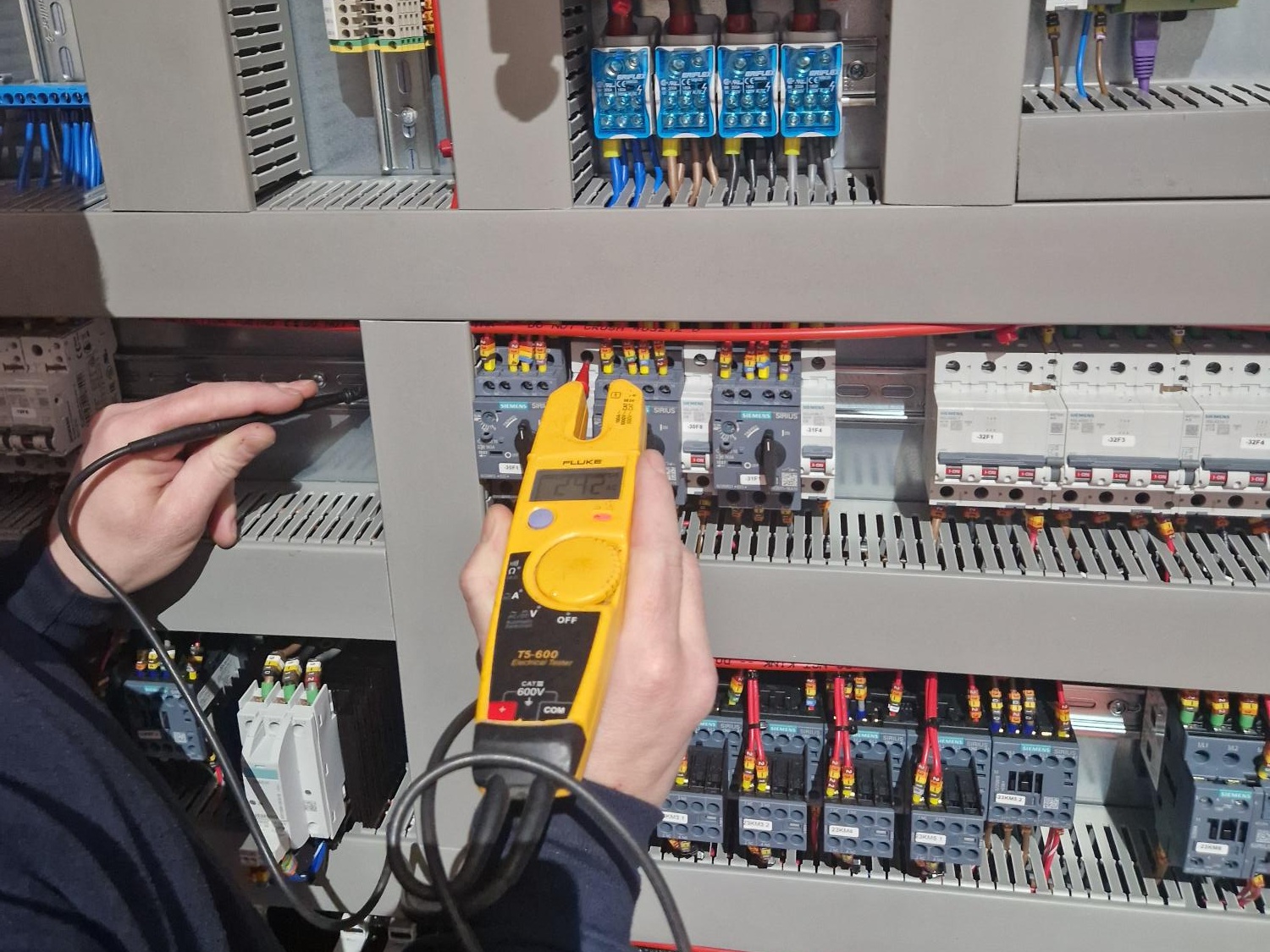
Thermal imaging of live panels under operational load
Mechanical inspection of terminations and supports
Assessment of environmental conditions inside enclosures
Inspection and cleaning of air filters and air conditioning systems
Maintenance of general lighting and emergency lighting, with special attention to the higher reliability requirements for emergency lighting
Verification of protective device coordination
Review of documentation and change history
These activities detect early-stage faults that are invisible during routine operation but highly predictive of future failure.
Regular cleaning of internal components, like air filters, is crucial for maintaining optimal equipment performance. Proper lubrication is essential in mechanical systems to reduce friction and prevent overheating.
✅ Operational Outcome: Clients implementing structured maintenance schedules consistently report fewer emergency call-outs and more predictable shutdown planning.
The Role of Modern Systems in Maintenance Strategy
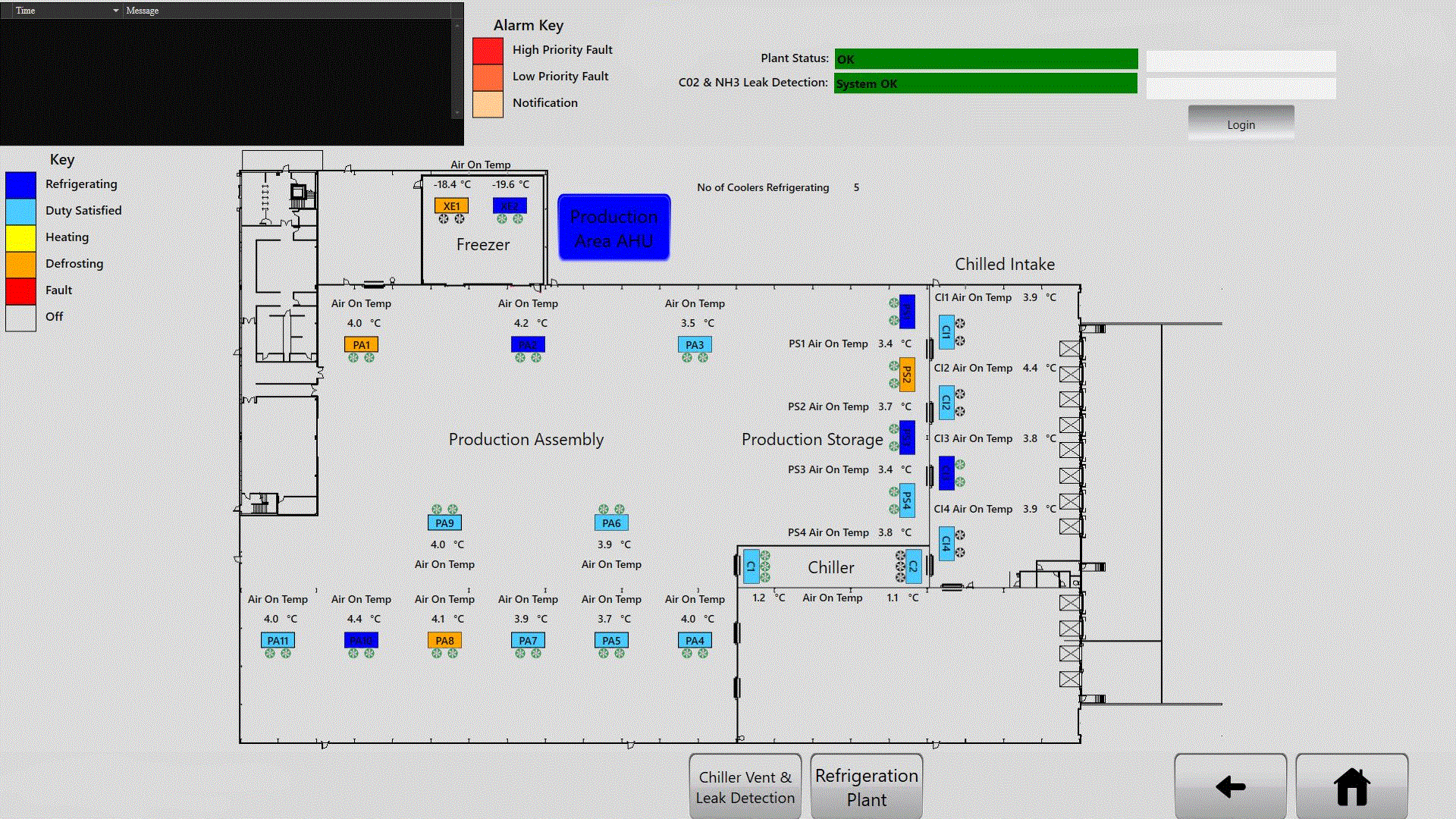
Modern electrical and control systems significantly enhance the effectiveness of preventive maintenance. Sensors, PLC diagnostics, and monitoring platforms provide continuous visibility into system condition. Preventive maintenance software and a computerised maintenance management system (CMMS) are now essential tools in modern maintenance management, enabling organisations to oversee assets through one digital hub and streamline maintenance activities.
Preventive maintenance software helps maximise asset performance by routinely inspecting and proactively servicing equipment, while also allowing for tracking the state of equipment and its maintenance data. These platforms can automate processes and enable the collection of real-time data, which is crucial for monitoring system performance and making informed decisions. Training staff on new technologies, such as CMMS and IoT devices, is crucial for effective preventive maintenance and ensures that teams can monitor performance efficiently.
Predictive maintenance uses data analytics and monitoring to track equipment performance in real time, allowing for early detection of issues. Rather than relying solely on calendar-based inspections, maintenance decisions can be informed by real operating data.
🔧 Example: Rising cabinet temperatures detected overnight trigger investigation before daytime production is affected.
Technology That Supports Reliability
Temperature monitoring with automated alerts
PLC fault logging and trend analysis
Remote alarm notification for out-of-hours events
Digital maintenance records linked to assets
Regular inspection and maintenance of surge protection devices to safeguard electronic equipment from electrical surges, especially during lightning events
Addressing the unique challenges of maintaining equipment in an industrial facility, including the need for specialised outside help for complex or inaccessible industrial machinery
These systems reduce reliance on manual checks while improving response times and fault visibility. Keeping spare parts on hand can drastically reduce downtime and save money on shipping costs. Collaboration between maintenance and production teams is crucial to finding optimal maintenance windows that minimise disruption.
Maintenance Activities and Record-Keeping
Effective maintenance activities are the backbone of any successful maintenance plan in industrial environments. Routine maintenance tasks—such as cleaning equipment, inspecting electrical systems, and replacing worn or aging components—are essential for maintaining equipment reliability and minimizing the risk of unplanned downtime. Regular inspections help identify minor issues before they escalate into costly repairs, ensuring that industrial equipment continues to operate at peak performance.
Accurate record-keeping is equally important. By documenting all maintenance activities, including the details of inspections, repairs, and component replacements, maintenance teams can track the history and performance of each asset. This data-driven approach enables better scheduling of future maintenance tasks, supports regulatory compliance, and provides valuable insights for optimizing maintenance plans. Well-maintained records also make it easier to demonstrate compliance during audits and help identify recurring issues that may require changes to maintenance strategies. Ultimately, a disciplined approach to maintenance activities and record-keeping helps reduce downtime, extend asset lifespan, and ensure the ongoing safety and reliability of electrical systems.
Training and Employee Development
A skilled and knowledgeable maintenance team is essential for the successful execution of a preventive maintenance plan. Regular training ensures that employees are proficient in performing maintenance tasks, operating equipment safely, and adhering to established maintenance procedures. As industrial equipment and maintenance technologies evolve, ongoing education is necessary to keep the maintenance team up-to-date with the latest predictive maintenance techniques, including the use of data analytics and condition monitoring tools.
Investing in employee development not only improves the efficiency and accuracy of maintenance activities but also enhances overall operational efficiency. Well-trained staff are better equipped to identify early warning signs of equipment failure, implement preventive measures, and contribute to a proactive maintenance culture. Training programs should also emphasise safety, encouraging employees to recognise potential hazards and report incidents promptly. By fostering a culture of continuous learning and safety awareness, organisations can reduce errors, improve equipment reliability, and ensure that their maintenance plan delivers maximum value.
Budgeting and Cost Savings
Strategic budgeting for maintenance activities is crucial for maintaining operational continuity and maximising the return on investment in industrial assets. A well-structured preventive maintenance plan allows organisations to allocate resources efficiently, prioritise critical maintenance tasks, and avoid the financial strain of emergency repairs. By focusing on planned maintenance activities, companies can minimise unplanned downtime, reduce repair costs, and extend the lifespan of critical assets.
Regularly reviewing maintenance expenses and performance metrics enables organisations to identify cost-saving opportunities and optimise their maintenance budgets. Proactive maintenance planning helps prevent costly repairs and production delays, while also supporting long-term cost savings by reducing the frequency and severity of equipment failures. Ultimately, a disciplined approach to budgeting and resource allocation ensures that maintenance activities are completed on schedule, critical assets are protected, and organisations can save money while maintaining high levels of operational efficiency.
Emergency Preparedness
Being prepared for unexpected equipment failures or power supply disruptions is a key component of any robust maintenance strategy. An effective emergency preparedness plan outlines clear procedures for responding to critical events such as power outages, equipment breakdowns, or other operational emergencies. This plan should be regularly reviewed and updated to reflect changes in equipment, personnel, and facility layout.
Emergency preparedness also involves maintaining an inventory of critical spare parts, ensuring that emergency contact information is readily available, and training employees to respond quickly and effectively to emergencies. By having these measures in place, organisations can reduce downtime, minimise damage to equipment and infrastructure, and ensure a swift return to normal operations. Proactive emergency planning not only protects critical assets but also supports business continuity and reinforces the value of a comprehensive preventive maintenance plan.
Continuous Improvement in Maintenance Strategy
Continuous improvement is essential for keeping a preventive maintenance plan effective and aligned with evolving operational needs. By regularly analysing maintenance performance metrics—such as downtime, repair costs, and equipment reliability—organisations can identify trends, uncover inefficiencies, and target areas for enhancement. Feedback from the maintenance team, combined with data analytics, enables ongoing refinement of maintenance schedules and activities.
Staying current with advancements in maintenance technologies, such as predictive maintenance and condition monitoring, ensures that maintenance strategies remain at the forefront of industry best practices. Embracing a culture of continuous improvement encourages innovation, supports cost savings, and drives operational efficiency. By systematically reviewing and updating maintenance plans, organisations can achieve fewer unexpected breakdowns, improved equipment reliability, and sustained reductions in repair costs—ultimately maximising the value of their maintenance investment.
JBB’s Preventive Maintenance Methodology
JBB Electrical approaches preventive maintenance as an integrated engineering discipline. It is not delivered in isolation but aligned with system lifecycle, compliance requirements, and future modernisation plans.
Assess → Modernise → Protect → Prevent → Support
Assess – Identify risks, asset condition, and compliance gaps
Modernise – Address obsolete or unsupported infrastructure
Protect – Implement monitoring, alarms, and safeguards
Prevent – Schedule inspections and planned interventions
Support – Maintain documentation and long-term reliability
This methodology ensures preventive maintenance delivers measurable uptime protection rather than theoretical assurance.
Preventive Maintenance as a Strategic Asset
Organisations that embed preventive maintenance into operational planning gain more than reduced downtime. They gain visibility, control, and confidence in their infrastructure.
Maintenance becomes predictable, compliance becomes defensible, and investment decisions are informed by asset condition rather than failure events.
💡 Tip: The most resilient sites align preventive maintenance schedules with production risk, not calendar convenience.
Frequently Asked Questions
What risks does inadequate maintenance scheduling create?
It increases the likelihood of unplanned downtime, safety incidents, compliance breaches, and insurance exposure due to undocumented system deterioration.
How does compliance influence preventive maintenance requirements?
Regulations assume ongoing inspection and testing. Without documented maintenance, systems may operate but remain non-compliant.
What preventive measures should industrial facilities prioritise?
Thermal inspections, control panel condition assessments, lifecycle management, and documentation integrity should be prioritised.
How do modern systems improve maintenance outcomes?
They provide early warnings, trend data, and real-time visibility that allow intervention before failures disrupt production.
Next Steps – Engineer Downtime Out of Your Operation
If your current maintenance strategy is reactive, downtime risk is already accumulating. Preventive maintenance scheduling provides the structure needed to control that risk.
Request a Compliance & Breakdown Prevention Assessment with JBB Electrical to identify vulnerabilities, prioritise actions, and implement a maintenance strategy built for uptime.