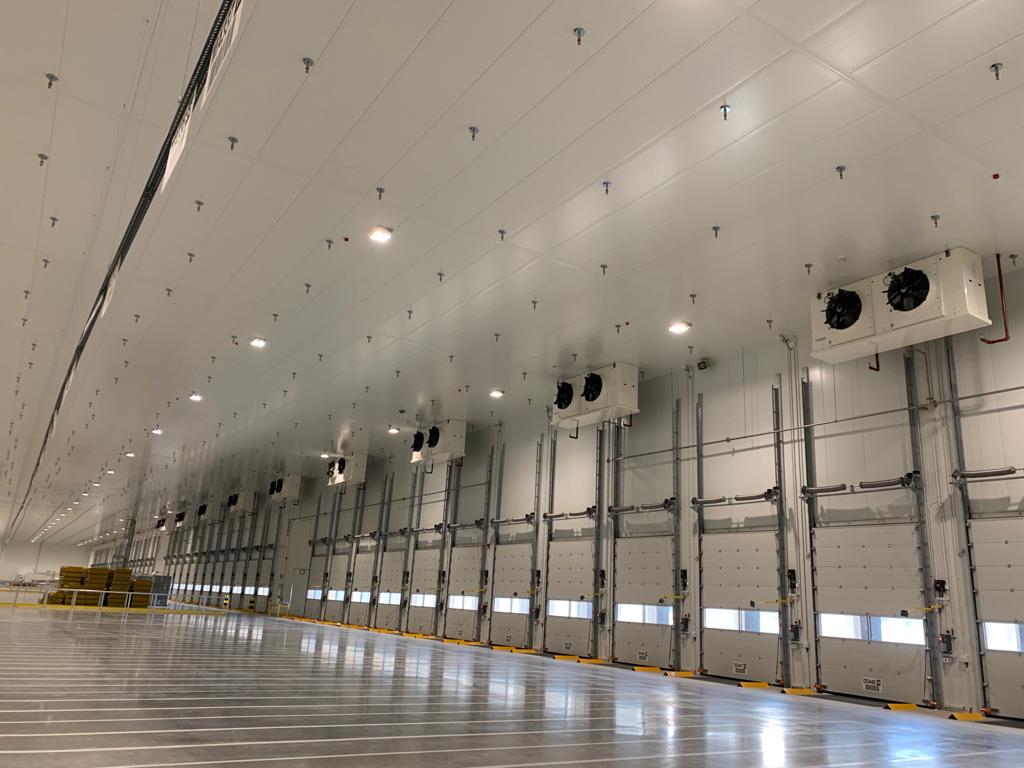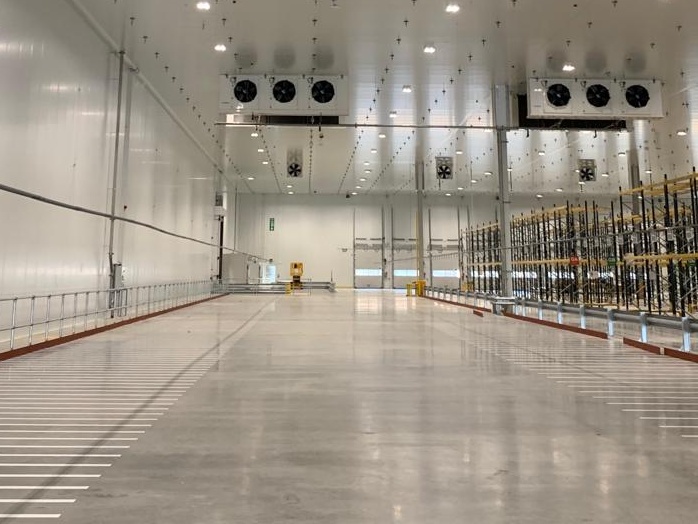
Industrial refrigeration is one of the largest and most misunderstood energy consumers in food manufacturing and cold storage facilities. Compressors, evaporators, condensers, and control systems often run continuously, quietly accumulating energy waste due to poor control logic, outdated panels, and a lack of system visibility.
Energy optimisation in refrigeration offers numerous advantages and benefits, including significant cost savings, improved operational efficiency, and reduced environmental impact.
Energy optimisation in refrigeration is not about pushing systems harder or reducing safety margins. Done properly, it is about engineering stability, control accuracy, and sequencing so the refrigeration plant operates closer to its design intent - with fewer starts, smoother loading, and better temperature control.
This article explains how energy optimisation for refrigeration control systems works in practice, what risks poor control creates, how compliance and food safety are affected, and which engineering strategies improve efficiency without compromising uptime or audit readiness.
💡 Key Insight: The biggest energy savings in refrigeration rarely come from a new plant. They come from better control of the plant you already have.
Why Refrigeration Energy Optimisation Matters
In food manufacturing and cold storage, refrigeration systems typically represent the single largest electrical load on site, often consuming 40% to 70% of a facility's total energy usage. These systems consume a significant portion of site electricity and energy usage, making their efficiency crucial for both cost and environmental impact. Even small inefficiencies - excessive compressor cycling, poor suction control, inaccurate temperature feedback - can translate into significant annual energy cost.
Optimising refrigeration systems can reduce monthly energy bills by 15% to 33%.
At the same time, refrigeration is production-critical. Any optimisation approach that compromises temperature stability, alarm response, or redundancy introduces unacceptable product and compliance risk. Energy optimisation must therefore be engineered, not improvised.
📘 Definition: Energy optimisation for refrigeration control systems is the process of improving control logic, sequencing, feedback, and monitoring so that the refrigeration plant delivers the required temperature performance using the minimum stable energy input.
The Hidden Energy Risks in Poorly Controlled Refrigeration Systems
Many refrigeration systems appear to function correctly while operating far from optimal efficiency. Because failures are rare and temperatures remain “within range”, energy waste often goes unnoticed.
⚠ Energy Risk: If refrigeration performance is only judged by temperature compliance, significant energy waste can persist for years without triggering intervention. Regularly monitoring and comparing actual temperatures inside refrigeration units, rather than relying solely on setpoints or compliance ranges, is essential to ensure true energy efficiency and maintain product integrity.
Common energy-wasting conditions include:
Compressors short-cycling due to poor sequencing
Evaporator fans running continuously regardless of demand
Defrost cycles operate on fixed timers instead of real conditions
Incorrect suction or discharge pressure setpoints
Inaccurate or poorly located temperature sensors
Manual overrides left in place after faults or maintenance
❌ Common Mistake: Attempting to reduce energy use by lowering setpoints or switching equipment off manually, rather than correcting control logic and system stability.
How Refrigeration Control Systems Influence Energy Use
Energy consumption in refrigeration is driven less by hardware selection and more by how that hardware is controlled. PLC-based refrigeration control systems determine when equipment runs, how it loads, and how smoothly demand is matched. Advanced controls like variable frequency drives (VFDs) and variable speed compressors (VSDs) help maximise efficiency by adjusting how the system operates to match real-time cooling demand, reducing energy waste during low-load periods.
Control systems influence energy use through:
Compressor sequencing and load sharing
Suction and discharge pressure control
Fan speed control and staging
Defrost strategy and termination logic
Temperature deadbands and response times
Interlocks between refrigeration and process demand
🧊 Example: A compressor rack running three machines at low load often consumes more energy than two compressors running closer to optimal efficiency. Correct sequencing logic can reduce energy draw without affecting temperature stability.
Energy Optimisation Without Compromising Compliance
In temperature-critical environments, compliance always takes precedence over efficiency. Auditors and insurers expect refrigeration systems to maintain stable temperatures, reliable alarms, and documented control.
Energy optimisation must therefore support compliance, not undermine it. This means:
No reduction in alarm coverage or response capability
No increased temperature excursions
No reliance on undocumented manual intervention
Clear evidence of controlled operation and monitoring
❗ Important: Any optimisation that introduces instability, delayed alarm response, or undocumented changes increases compliance risk - even if energy use falls.
Engineering Strategies for Energy Optimisation
Effective refrigeration energy optimisation focuses on stability, control accuracy, and demand matching. Modern refrigeration systems and energy-efficient refrigeration units are designed to achieve lower energy consumption and improve overall efficiency. The following strategies consistently deliver results when applied correctly.
Heat recovery systems can repurpose waste heat from the refrigeration cycle for other uses, enhancing overall efficiency. Free Cooling can use cooler external air or water to reduce compressor runtime where site conditions allow. Using energy-efficient lighting, such as LED lights, can reduce the energy consumption of refrigeration systems. The choice of refrigerant can directly affect the energy efficiency of refrigeration systems, and low GWP refrigerants such as CO₂ can reduce operating loads while supporting better refrigeration efficiency. Energy-efficient refrigeration systems can reduce operational costs by up to 30%.
📋 Refrigeration Energy Optimisation Framework
Control accuracy - validated sensors, correct scaling, stable feedback loops
Sequencing logic - compressors and fans staged for efficient loading
Demand-led operation - equipment runs when required, not continuously
Defrost optimisation - condition-based defrost, not fixed timers
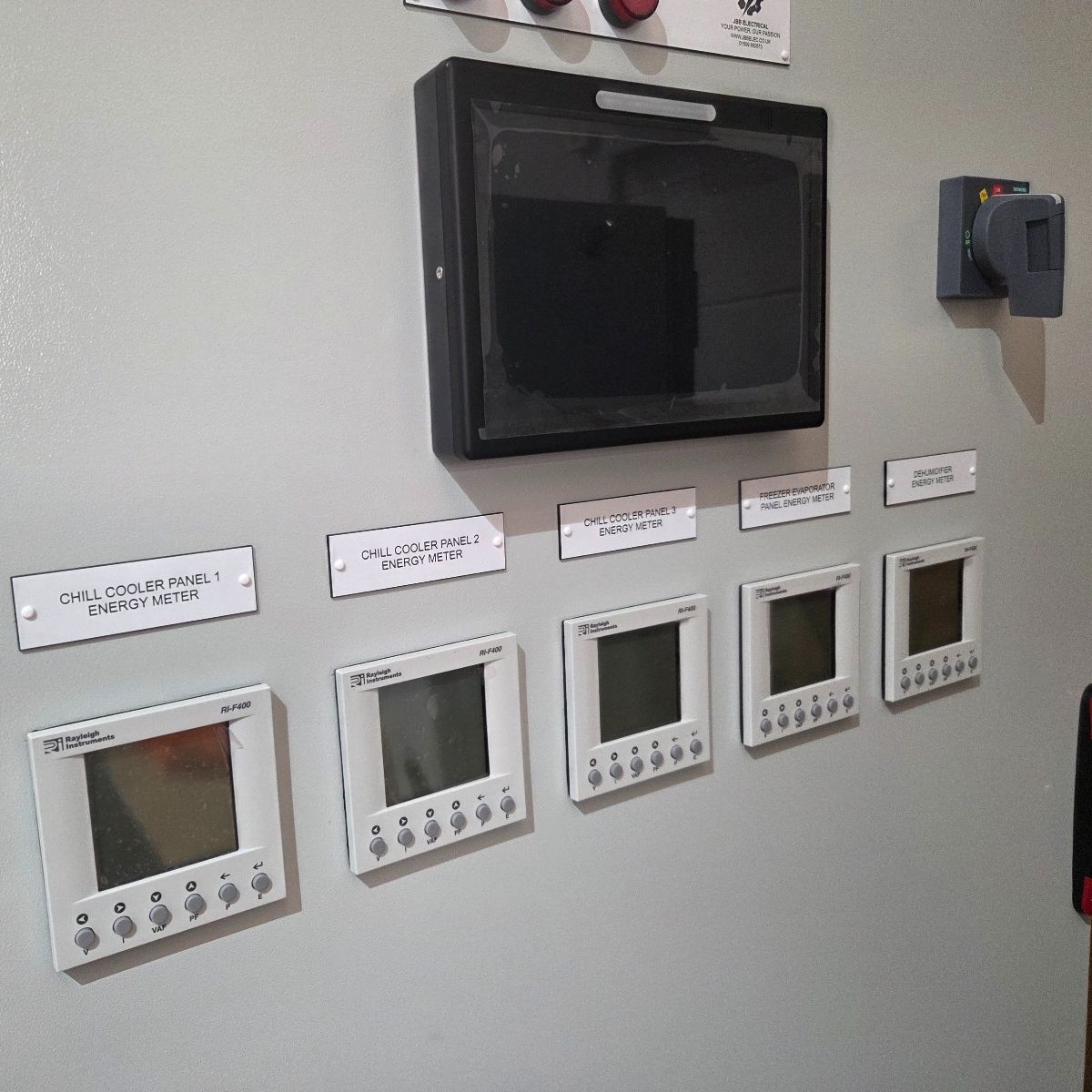
Monitoring and visibility - trends, alarms, and performance data
Sensor accuracy and placement
Temperature, pressure, and defrost sensors form the foundation of refrigeration control. Poorly placed or drifting sensors force control systems to overcompensate, increasing run time and energy use.
💡 Engineering Tip: Before changing control logic, verify sensor accuracy, location, and calibration. Many “inefficiencies” are measurement problems, not control problems.
Compressor sequencing and load management
Modern PLC control allows intelligent compressor sequencing, ensuring machines run in efficient load bands and rotate evenly to prevent wear concentration.
Increasing the temperature of ultra-low temperature freezers to -70°C can reduce energy consumption by around 25 to 30%, allowing compressors to use less energy while still maintaining product safety.
Poor sequencing leads to excessive starts, inefficient partial loading, and higher maintenance costs.
Fan and defrost control
Evaporator fans and defrost cycles are often significant hidden energy consumers. Continuous fan operation and fixed defrost timers waste energy and can destabilise temperatures.
Defrosting freezers regularly can help maintain optimal performance and efficiency by preventing ice buildup on evaporator coils and ensuring that cool air circulates freely. Smart controls can implement demand-based defrost cycles, saving energy and improving efficiency. Regularly defrosting refrigeration systems ensures that coils can operate efficiently and airflow isn't restricted, further saving energy.
ℹ Best Practice: Defrost should be initiated and terminated based on ice formation indicators or performance metrics, not arbitrary time schedules.
Door Opening Management and Its Impact on Energy Use
Door opening management plays a vital role in maintaining energy efficiency within commercial refrigeration systems. Every time a door is opened—whether it’s a walk-in cooler, cold room, or display case—warm air rushes in, forcing the refrigeration system to work harder to restore the desired temperature. This influx of warm air not only disrupts temperature stability but also leads to increased energy consumption and higher energy costs.
Research indicates that door opening events can account for up to 30% of the total energy used by a refrigeration system. For businesses operating in food retail, hospitality, or cold storage, this represents a significant opportunity for energy savings. Implementing effective door-opening management strategies is essential for maximising efficiency and reducing unnecessary energy use.
Practical steps include installing automatic door closers to ensure doors are never left open unintentionally, using door sweeps or thresholds to minimise air leakage, and training staff to limit door opening times and frequency. Additionally, clear signage and operational protocols can reinforce best practices among employees, further supporting efficient refrigeration systems.
By focusing on door opening management, businesses can significantly reduce energy consumption, lower energy costs, and ensure their refrigeration systems operate efficiently. These measures not only improve energy efficiency but also contribute to more stable temperatures, better product quality, and reduced operational costs across commercial refrigeration environments.
The Role of SCADA and Monitoring in Energy Optimisation
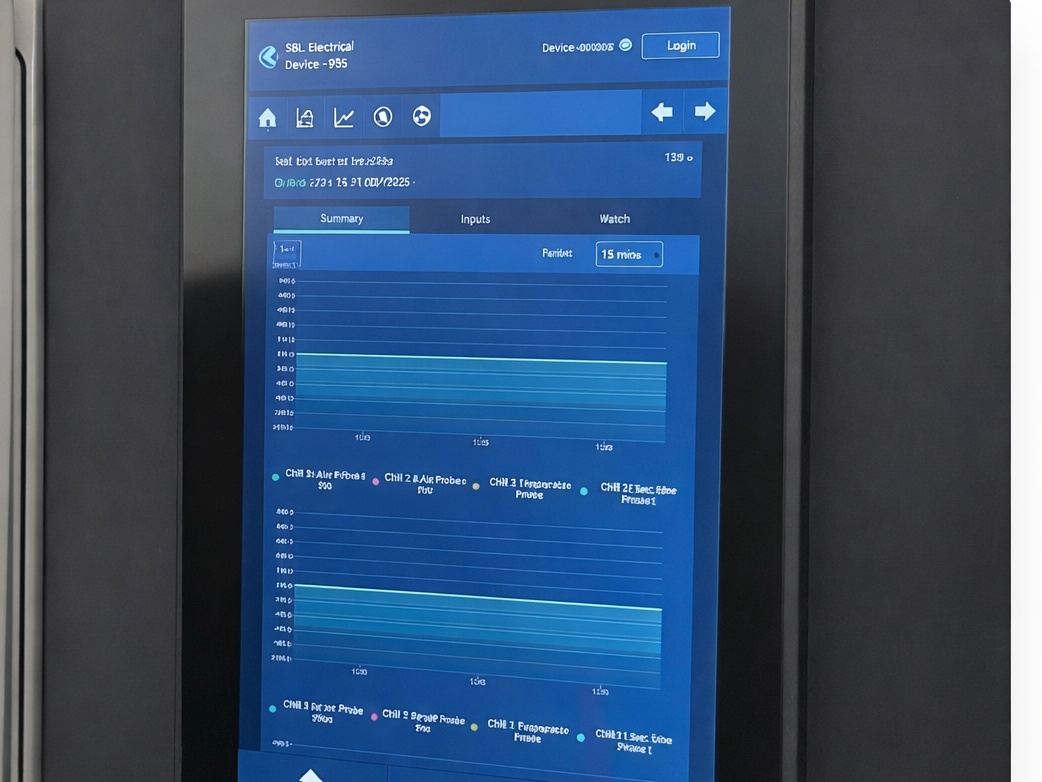
You cannot optimise what you cannot see. SCADA systems, energy management systems (EMS), and refrigeration control and monitoring solutions provide customers with the visibility needed to monitor and control energy usage, track power consumption and system performance in real-time, identify energy waste, validate improvements, and prove stability.
Using energy-efficient refrigeration controllers can help businesses optimise their control strategy remotely, leading to improved energy usage and operational efficiency.
Effective refrigeration SCADA should provide:
Compressor run hours and loading profiles
Temperature and pressure trends
Defrost frequency and duration
Alarm frequency and response times
Energy correlation with process demand
📊 Operational Insight: Sites that trend refrigeration performance typically identify energy-saving opportunities within weeks that were previously invisible.
Monitoring actual conditions around stored products also helps protect product quality while highlighting inefficient operation.
Environmental Impact of Refrigeration Energy Use
The environmental impact of refrigeration energy use is a growing concern for businesses committed to sustainability and reducing their carbon footprint. Refrigeration systems are among the largest energy consumers in commercial and industrial settings, and their energy consumption directly contributes to greenhouse gas emissions and climate change. In fact, refrigeration systems are estimated to account for around 10% of global greenhouse gas emissions, highlighting the importance of energy-efficient solutions.
To address this challenge, businesses can invest in efficient refrigeration systems that use natural refrigerants and advanced energy management systems. These technologies optimise energy use, reduce energy consumption, and offer clear environmental benefits by helping to lower greenhouse gas emissions. Regular maintenance practices—such as cleaning evaporator coils, checking door seals, and ensuring all components operate efficiently—are also essential for maintaining maximum efficiency and minimising environmental impact.
Adopting energy-efficient technologies like variable speed drives for compressors and evaporator fans, as well as LED lighting within cold storage areas, can further reduce energy use and carbon emissions. These upgrades not only deliver significant energy savings but also help future-proof facilities against tightening environmental regulations.
By prioritising energy efficiency and sustainability, businesses can significantly reduce their environmental impact, lower operating costs, and demonstrate a commitment to eco-friendly practices. Efficient refrigeration systems, supported by regular maintenance and smart energy management, are key to achieving lower greenhouse gas emissions and building a more sustainable future for the industry.
Preventive Maintenance and Energy Performance
Energy optimisation and preventive maintenance are tightly linked. Mechanical degradation, electrical faults, and control drift all increase energy consumption long before failure occurs.
Implementing a preventive maintenance schedule tailored to the specific needs of each facility helps identify and address issues before they escalate. Regularly monitoring old freezers is important to determine their efficiency and identify potential issues. Regular maintenance of refrigeration systems can prevent up to 25% more energy usage due to poorly maintained equipment. Cleaning condenser and evaporator coils at least twice annually can improve efficiency by up to 30%. Routine maintenance, such as checking door seals, prevents warm air infiltration and enhances performance. A well-maintained system operates more efficiently and has a longer lifespan, reducing both energy costs and equipment replacement costs.
Preventive measures that support energy efficiency include:
Thermal imaging of control panels and power circuits
Inspection of contactors, drives, and protection devices
Verification of control logic after maintenance
Cleaning and inspection of sensors and probes
✅ Outcome: Facilities combining control optimisation with preventive maintenance typically see sustained energy reduction without increased breakdown risk.
Applying the JBB Engineering Framework
JBB Electrical approaches refrigeration energy optimisation as part of a wider compliance and uptime strategy. Efficiency gains are only accepted where system resilience and audit readiness improve or remain unchanged.
📋 JBB – Assess → Modernise → Protect → Prevent → Support
Assess – Identify energy waste, control instability, and compliance risk
Modernise – Upgrade panels, PLC logic, sensors, and interfaces
Protect – Maintain alarms, interlocks, and redundancy
Prevent – Embed energy-aware preventive maintenance
Support – Provide ongoing optimisation, monitoring, and lifecycle guidance
From Energy Reduction to Operational Resilience
Well-optimised refrigeration control systems are not just cheaper to run - they support efficient operation, are more stable, more predictable, and easier to audit.
By focusing on control quality, visibility, and maintenance discipline, energy optimisation becomes a by-product of good engineering rather than a risky cost-cutting exercise.
Request a Compliance and Breakdown Prevention Assessment
If your refrigeration systems are energy-intensive, difficult to diagnose, or heavily reliant on manual intervention, a structured assessment will reveal where optimisation is possible without increasing risk.
JBB Electrical’s Compliance and Breakdown Prevention Assessment identifies control weaknesses, documentation gaps, and practical engineering improvements that reduce energy use while protecting uptime and compliance.
Request a Compliance and Breakdown Prevention Assessment to move from energy waste to engineered efficiency.
Frequently Asked Questions
What risks does poor energy optimisation create in refrigeration systems?
Poor optimisation increases operating costs, accelerates equipment wear, and often masks developing faults. Over time, this raises the risk of breakdowns, temperature excursions, and audit non-conformances.
How does compliance affect refrigeration energy optimisation?
Compliance requires stable temperature control, reliable alarms, and documented operation. Energy optimisation must preserve these conditions and provide evidence that efficiency improvements did not compromise control or safety.
What preventive measures support long-term energy efficiency?
Accurate sensors, well-maintained control panels, documented PLC logic, thermal imaging, condition-led maintenance, and continuous monitoring all support sustained energy efficiency in refrigeration systems.