Industrial automation systems sit at the heart of every production-critical facility. When your PLCs, SCADA platform, control panels or field wiring begin to age, the risks compound quickly: loss of visibility, breakdowns, compliance failures, cyber exposure and inability to scale. This guide explains how to modernise safely, efficiently and in full alignment with UK industrial standards.
Modernisation not only restores stability and control, but also expands the system's capacity to handle increased production demands and future growth.
💡 Key Insight:
Most industrial automation failures originate not from single component issues, but from ageing, undocumented, unsupported systems interacting unpredictably. Modernisation restores stability, visibility and control.
Why Industrial Automation Modernisation Can No Longer Wait
In food manufacturing, cold storage, and other compliance-driven environments, automation systems control safety-critical plant. Old PLCs and obsolete SCADA platforms create operational and legislative exposure. Controls installed 10–20 years ago often lack:
manufacturer support or firmware updates
cyber security controls aligned to upcoming 2026/27 regulations
integration capability with modern sensors or field devices
accurate documentation or electrical schematics
remote monitoring or audit-ready data logging
easy access to replacement parts, as sourcing components for obsolete hardware is increasingly difficult
⚠ Critical Warning:
When legacy systems fail, recovery is slow because software, components and project files may no longer exist. Many plants discover this only after a breakdown.
Common Risks in Ageing PLC, SCADA and Control Systems
Across UK industrial sites, JBB engineers repeatedly encounter recurring failure modes. These risks increase as systems move beyond 10–15 years of service without structured lifecycle management.
1. Obsolete PLC Hardware
Many control systems still rely on discontinued legacy PLC platforms. These create:
no spares availability
no security patches or firmware updates
incompatible communication protocols
unknown logic due to undocumented modifications
❌ Common Mistake:
Running legacy PLC hardware until failure. Replacement after breakdown almost always requires emergency re-engineering under production pressure.
2. SCADA Platforms at End of Life
Old SCADA systems often depend on Windows versions that Microsoft no longer supports. This results in:
cyber security vulnerabilities
lost historical data
no patch availability
inability to expand screens or add devices
3. Ageing Control Panels and Wiring
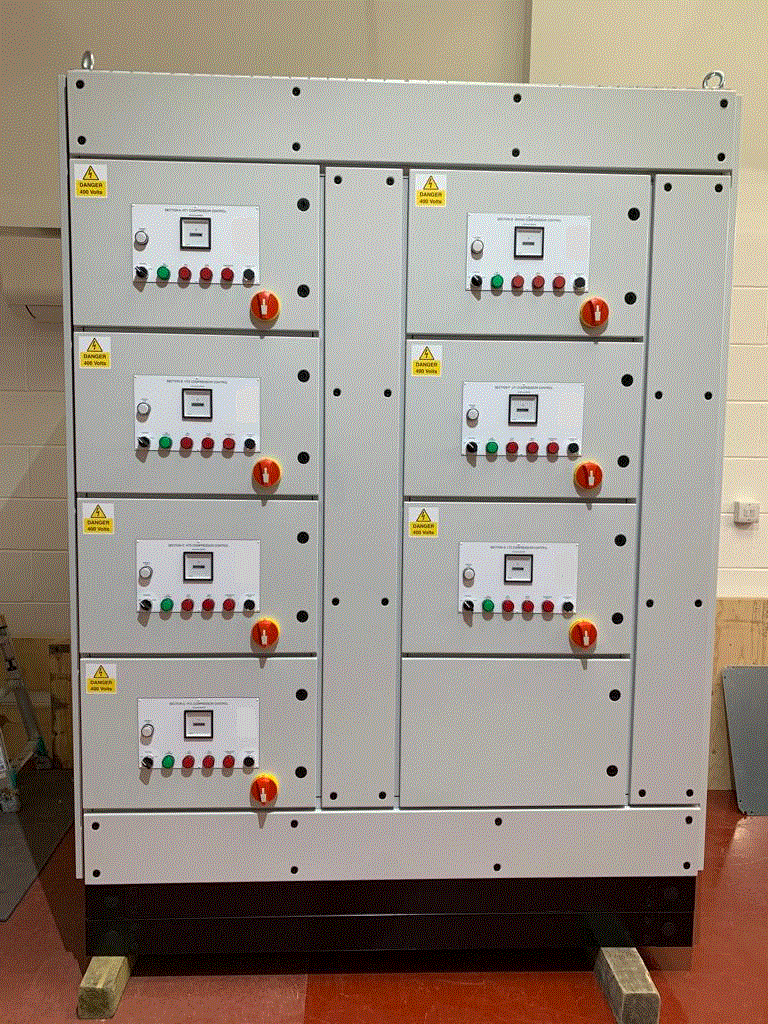
Control panels built decades ago typically lack BS EN 60204-1 compliance, proper segregation, correct device spacing or panel cooling. Field wiring often shows insulation degradation, loose terminals and overheating.
Upgrading control panels can expand system capacity, allowing for increased load handling and improved operational efficiency.
📊 Industry Data:
Many electrical failures in food plants originate from loose or overheated terminals inside ageing control panels.
4. Documentation Gaps
Missing drawings, lack of version control, and undocumented code modifications severely limit troubleshooting speed.
❗ Important:
Documentation integrity is a compliance asset. Without correct schematics and revision history, your system cannot be considered fully audit-ready.
Compliance Pressure: Why Upgrades Are Now Strategic
Industrial automation is now firmly within the scope of multiple regulatory requirements. JBB ensures alignment with:
BS7671 (electrical standards)
BS EN 60204-1 (machinery electrical safety)
PUWER (control integrity, emergency stops, safety functions)
industrial cyber-security legislation due 2026/27
📘 Definition: Control System Cyber Readiness
A compliance requirement covering patching, access control, network segmentation, monitoring and vulnerability mitigation for industrial automation assets.
How Modernised PLC & SCADA Systems Improve Reliability
Modern control systems improve uptime not through complexity, but through visibility, diagnostics and predictability. JBB engineers design upgrades that deliver:
smarter, more transparent automation logic
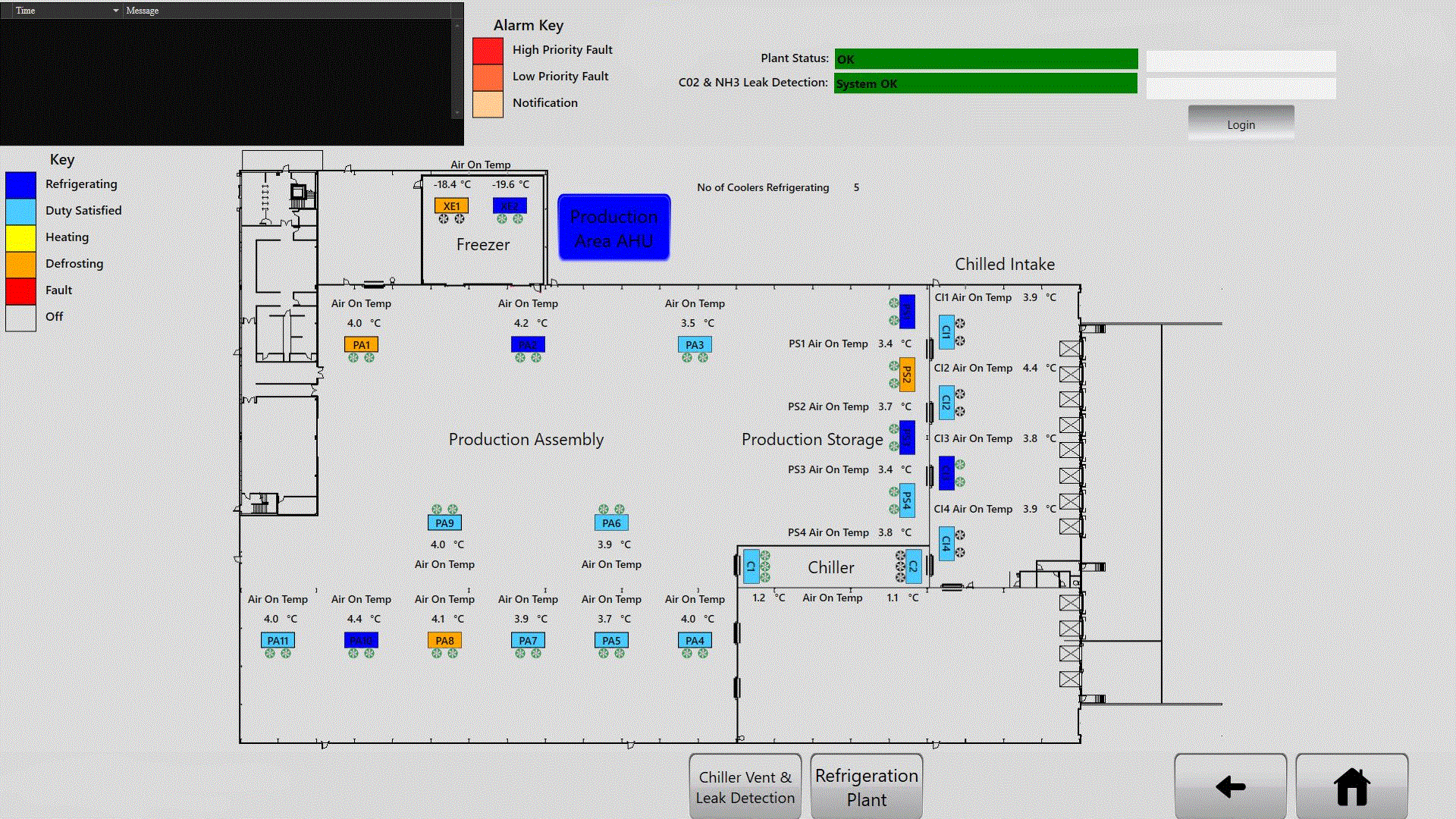
real-time monitoring of plant and refrigeration
energy-optimised control strategies
remote access with secure authentication
predictive alarms and fault trending
Enhanced functionality in modern hardware and software streamlines workflows and supports precise control. Upgrades can improve performance and safety across the entire production line. Modern SCADA systems also enable the integration of artificial intelligence and machine learning workflows, leading to improved maintenance and network stability.
✅ Uptime Improvement Example:
Many cold stores reduce breakdowns after migrating from an obsolete SCADA system to a modern platform with full alarm history, trending and remote diagnostics.
Cybersecurity Considerations in Modern Control Systems
Cybersecurity has become an essential pillar of modern control systems, especially in environments that depend on supervisory control and data acquisition (SCADA) systems to manage critical manufacturing processes. As technology evolves, so do the risks—cyber threats can disrupt operations, compromise sensitive data, and lead to costly unplanned downtime. These incidents not only threaten system reliability but can also impact customer satisfaction and regulatory compliance.
To safeguard control systems, organisations must implement robust cybersecurity measures. This includes deploying firewalls, intrusion detection systems, and encryption to protect data and control networks. Regular software updates and patch management are vital to address vulnerabilities as they emerge. Equally important is employee training, which helps prevent human errors that could expose systems to risk.
By prioritising cybersecurity best practices, manufacturers can reduce the likelihood of downtime, protect valuable data, and ensure their systems continue to operate reliably. In today’s connected environments, a proactive cybersecurity approach is not just recommended—it’s essential to maintaining high performance and customer trust.
The Engineering Process of Modernising PLC, SCADA & Control Systems
📋 JBB’s Modernisation Framework
Assess – comprehensive audit of hardware, wiring, control logic, SCADA, documentation and compliance.
Modernise – migration, re-engineering and replacement of hardware, software, networks and panels.
Protect – cyber security hardening, access control, panel cooling, surge protection and documentation.
Prevent – scheduled preventive maintenance, thermal imaging and lifecycle monitoring.
Support – ongoing service, remote assistance and continuous improvement.
Each stage of the framework involves specific tasks, such as reliability assessments, planning, verification, and implementation, to ensure system reliability and availability.
1. Assessment and Lifecycle Analysis
JBB’s engineers begin with a detailed audit of existing control architecture, panel condition, PLC lifecycle status, wiring integrity, cyber exposure and code quality.
👉 Step: Audit Checklist
Inspect hardware age, spares availability, firmware versions, HMI compatibility, panel thermal load, ingress protection, documentation condition and network layout.
2. Engineering Design and Planning
Upgrades are designed around safety, reliability and future expansion. This includes:
new control panel layouts in EPLAN / SEE Electrical
review of overload protection, component spacing and cooling
new PLC I/O mapping and logic design
SCADA screen redesign with audit-ready logging
3. Migration and Installation
JBB handles migration with minimal disruption, using staged changeovers and temporary controls where required.
🔧 Example:
JBB successfully upgraded an obsolete Mitsubishi PLC to a current-generation model for a local food production facility, including a full SCADA system upgrade. The work was completed during a planned shutdown and recommissioned smoothly, with no disruption to ongoing production operations.
In some cases, a full replacement of the control system may be necessary due to equipment condition, long-term cost benefits, or technological advancements.
4. Testing, Commissioning and Verification
All systems undergo FAT, SAT and on-site commissioning. This includes functional testing, safety verification, alarm validation and documentation review.
5. Training and Handover
Operators receive training on new interfaces, alarm handling, diagnostics and reporting to ensure safe and confident operation.
Standardising control system components also simplifies training and ongoing support for maintenance staff.
System Integration: Ensuring Seamless Operation Across Platforms
Seamless system integration is key to unlocking the full potential of modern control systems. In today’s manufacturing environments, a wide array of sensors, devices, and software platforms must work together to deliver efficient, reliable operations. Effective integration ensures that data flows smoothly between systems, enabling real-time monitoring, control, and decision-making.
Standardised communication protocols, such as OPC-UA, play a crucial role in facilitating data exchange between diverse hardware and software. By adopting these standards, organisations can connect legacy equipment with new technology, ensuring that all components of the control system communicate efficiently. Implementing a service-oriented architecture (SOA) further enhances integration, allowing different applications and devices to interact seamlessly.
The result is improved system performance, less downtime, and greater customer satisfaction. With integrated systems, manufacturers gain better visibility into their operations, can respond more quickly to issues, and optimise processes for maximum efficiency.
Cost-Benefit Analysis: Making the Business Case for Upgrades
A thorough cost-benefit analysis is essential when considering upgrades to existing control systems. This process involves evaluating the total cost of upgrading or replacing hardware and software—including installation, training, and potential production interruptions—against the anticipated benefits, such as increased reliability, reduced operating costs, and improved efficiency.
Key factors to consider include the current and projected maintenance costs of existing systems, the risk and cost of downtime, and the potential for enhanced customer satisfaction through more reliable operations. By quantifying these elements, organisations can make informed decisions that align with their business objectives and budget constraints.
Ultimately, a well-executed cost-benefit analysis helps justify the investment in new technology, ensuring that upgrades deliver tangible improvements in performance, control, and long-term value for the business.
Preventive Maintenance After Modernisation
Upgrades are only part of the solution. Reliability comes from disciplined preventive maintenance. JBB’s process includes:
thermal imaging of panels and distribution
tightening or connections and inspection of control wiring
software backups and version control
review of alarm history and SCADA trends
lifecycle monitoring of PLC hardware
☑ Preventive Maintenance Core List
Check panel temperatures and cooling
Review PLC firmware status
Clean VSDs and control devices
Inspect terminal tightness
Validate backups and version control
When Is the Right Time to Upgrade?
The decision to modernise should be based on lifecycle status, not breakdown history. If your PLC, SCADA or panels meet any of the following, you are already in the risk window:
hardware older than 12 years
SCADA relying on unsupported Windows versions
missing or outdated schematics
no critical spares on site
recurring alarms without root-cause data
ℹ Engineering Note:
Modernisation reduces risk, improves visibility and extends asset life. It is far less expensive than emergency recovery after control system failure.
Case Studies and Examples of Successful Modernisation
Real-world examples highlight the transformative impact of modernising control systems. For instance, a leading provider in the industrial automation sector recently upgraded its SCADA system, replacing outdated hardware and software with advanced programmable logic controllers (PLCs) and human-machine interfaces (HMIs). This upgrade resulted in significantly improved system reliability, less downtime, and higher customer satisfaction due to more efficient operations and better data visibility.
In another example, a manufacturing company implemented a preventive maintenance program leveraging data collected from sensors and devices throughout their facility. By analysing this data, the company could identify and address potential issues before they led to unplanned downtime, resulting in improved reliability and reduced maintenance costs.
These case studies demonstrate that investing in modern system design, up-to-date technology, and proactive maintenance delivers measurable benefits. Organisations that prioritise upgrades and preventive strategies consistently achieve higher performance, greater efficiency, and enhanced customer satisfaction.
Future of Industrial Automation: Trends and Opportunities
The future of industrial automation is being shaped by rapid advancements in technology and evolving business needs. Emerging trends such as artificial intelligence (AI), machine learning (ML), and the Internet of Things (IoT) are enabling control systems to become smarter, more adaptive, and more reliable. These technologies allow for real-time data analysis, predictive maintenance, and automated decision-making, all of which contribute to reduced downtime and improved system performance.
Cloud-based solutions and edge computing are also transforming how data is processed and utilised, offering manufacturers greater flexibility and scalability. As cybersecurity and data protection become increasingly important, new solutions are being developed to ensure that control systems remain secure and reliable in the face of evolving threats.
To stay competitive and ensure ongoing customer satisfaction, organisations must embrace these trends and continuously invest in the latest automation technologies. By doing so, they can achieve higher levels of reliability, optimise performance, and drive business success in an ever-changing industrial landscape.
How JBB Electrical Supports Your Modernisation Programme
JBB brings multidisciplinary expertise across electrical installations, control panels, PLC programming, SCADA development, refrigeration control, preventive maintenance and compliance engineering.
JBB also provides ongoing technical support to ensure system reliability and minimise downtime.
Every engagement follows the JBB methodology:
📋 JBB – Assess → Modernise → Protect → Prevent → Support
A complete lifecycle model ensuring your automation investment remains robust, compliant and future-proof.
Frequently Asked Questions...
What risks does this issue create?
Ageing control systems create safety, compliance, cyber and downtime risks. Failures are harder to diagnose, spare parts are scarce, and undocumented logic significantly increases recovery time.
How does compliance affect this?
BS7671, BS EN 60204-1, PUWER and upcoming cyber regulations all require safe, documented, supportable control systems. Legacy automation rarely meets modern standards without structured upgrades.
What preventive measures should be taken?
Regular thermal imaging, wiring inspections, SCADA trend reviews, firmware checks, software versioning and lifecycle audits provide early visibility and prevent critical failures.
How do modern systems improve reliability?
New PLCs, SCADA platforms and panels offer improved diagnostics, better visibility, reduced energy use, safer logic handling and secure remote access, all of which reduce downtime and extend equipment life.
Next Step: Request a Compliance & Breakdown Prevention Assessment
If your automation systems are ageing, undocumented or approaching end of life, JBB’s Compliance & Breakdown Prevention Assessment provides a clear roadmap. You will receive a full lifecycle review, risk analysis, modernisation plan and compliance alignment report.
Request a Compliance & Breakdown Prevention Assessment today and protect your production-critical operations.