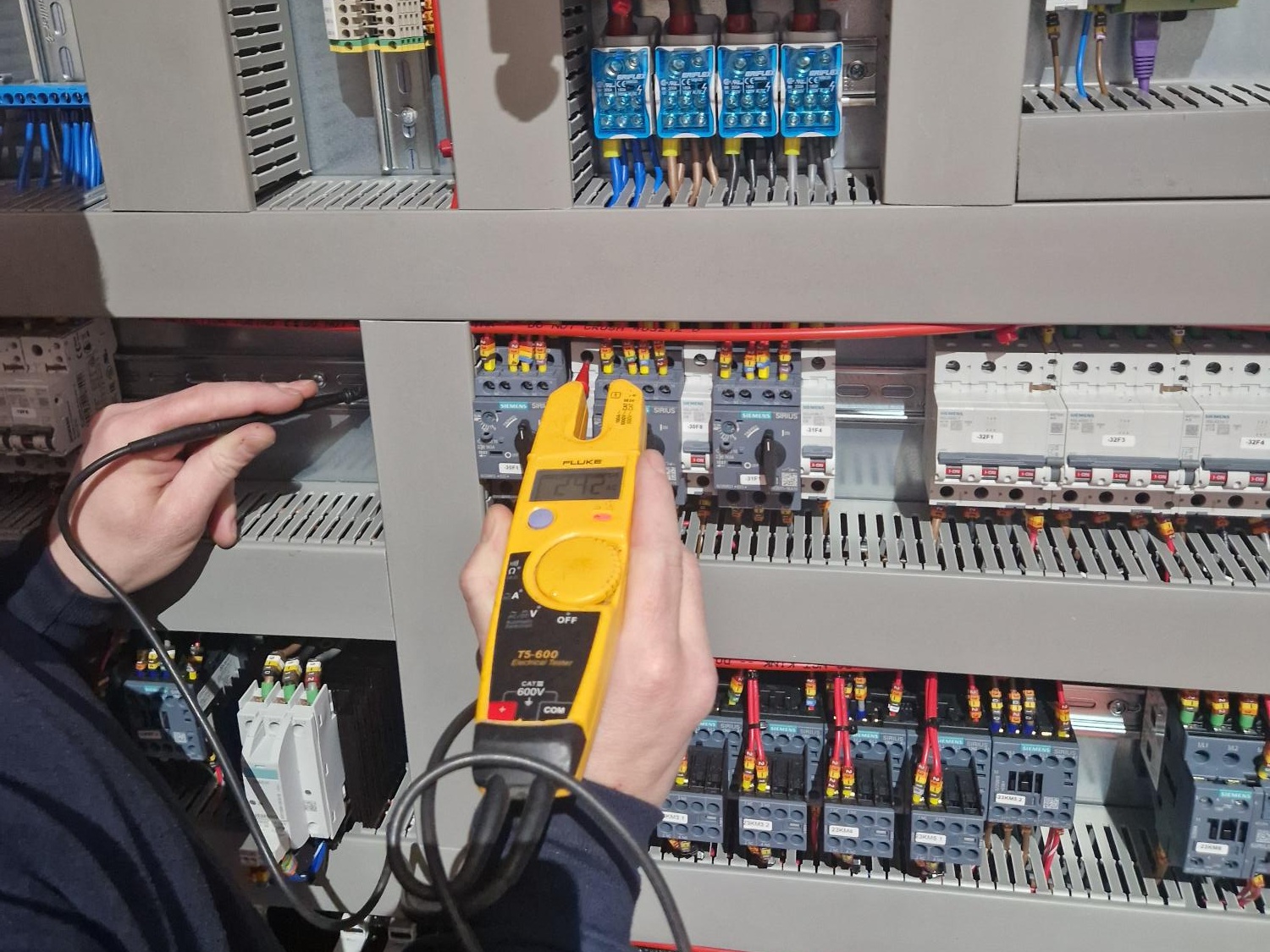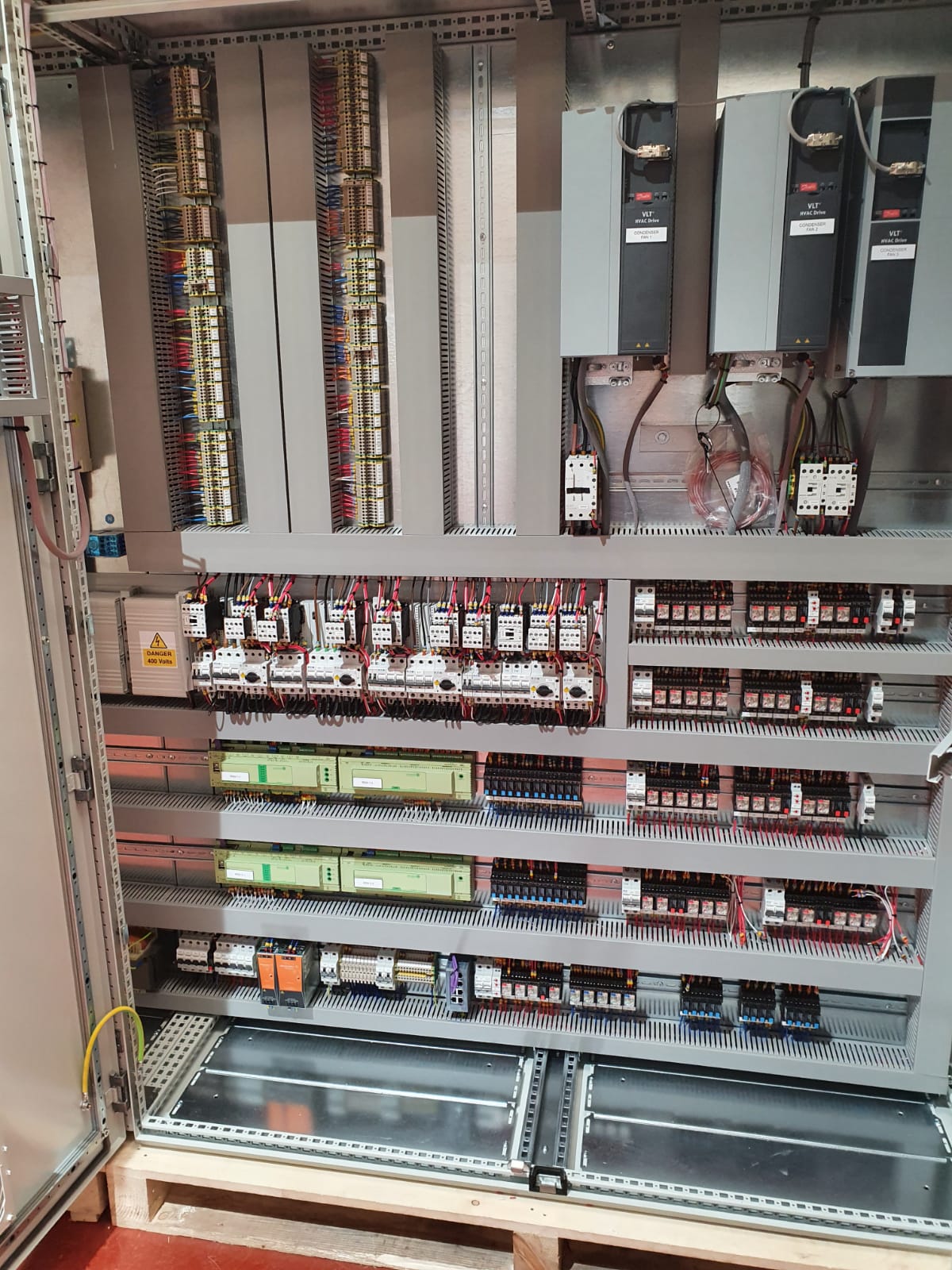
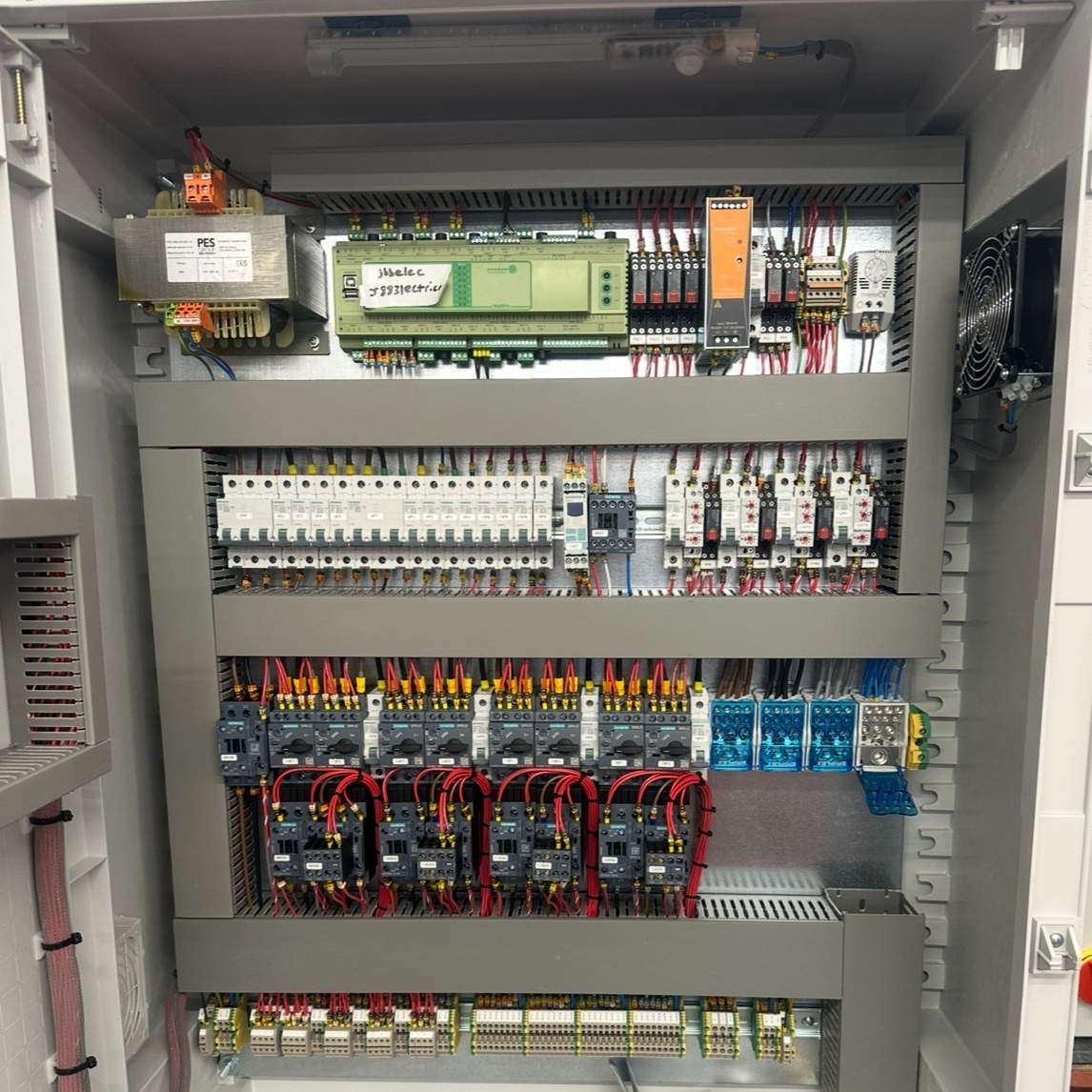
Critical spares are components maintained in inventory to prevent extended downtime when essential equipment fails. Unlike general spare parts, critical spares are specifically selected based on failure consequence analysis — if the component fails and no replacement is immediately available, operations stop until procurement is complete.
The distinction matters because industrial facilities contain thousands of components, but only a fraction qualify as genuinely critical to operational continuity.
📖 Definition:
Critical spares are replacement components identified through systematic analysis as having the potential to cause significant operational disruption, financial loss, or safety risk if they fail and no spare is immediately available.
What Are Critical Spares? A Working Definition
Critical spares represent the intersection of component failure probability and operational consequence. Three criteria define a critical spare:
Single point of failure impact: The component's failure stops production, creates safety risks, or triggers regulatory non-compliance. Redundant systems typically do not generate critical spares requirements unless both primary and backup systems depend on the same component type.
Procurement lead time risk: Replacement components cannot be sourced quickly enough to prevent significant operational disruption. A motor bearing available from local stock may not qualify as critical, while a specialised PLC module with six-week delivery qualifies immediately.
Failure consequence cost: The cost of carrying the spare part is justified by the potential cost of not having it available. This calculation includes lost production, emergency procurement premiums, labour costs during extended downtime, and regulatory penalties.
Types of Critical Spares in Industrial Operations
Critical spares fall into distinct categories based on their function and failure characteristics. Understanding these categories helps facilities identify their specific critical spares requirements systematically.
Control System Components represent the highest-consequence category because their failure typically affects entire production lines or facility sections. PLC modules, HMI screens, variable speed drives, and industrial network components qualify when no redundancy exists. These components often have long procurement lead times and may face obsolescence issues.
Protection and Safety Components create dual risks — immediate safety exposure and regulatory compliance gaps. This category includes motor protection relays, emergency stop devices, safety interlocks, and earth fault monitoring equipment. Failure consequences extend beyond production loss to include potential injury and regulatory sanctions.
📌 Critical Point:
Safety-related components always qualify as critical spares regardless of failure frequency, because the consequence of unavailability includes potential harm to personnel and regulatory violations.
Process-Critical Mechanical Components include pumps, compressors, motors, and transmission components where failure stops production immediately. The critical spares requirement depends on equipment configuration — multiple parallel pumps may not require critical spares, while a single process-critical pump does.
Instrumentation and Monitoring Equipment qualify when their failure prevents safe operation or creates compliance gaps. Temperature sensors in refrigeration systems, pressure transmitters in compressed air systems, and flow meters in critical processes become critical spares when no alternative monitoring exists.
Real-World Examples: Critical Spares Across Industries
Different industrial sectors generate distinct critical spares profiles based on their operational priorities and regulatory requirements.
Manufacturing facilities typically identify motor starters, PLC I/O modules, and process sensors as critical spares. A packaging line dependent on a single variable speed drive requires that drive model as a critical spare because line stoppage affects entire production schedules.
Food processing operations expand critical spares to include refrigeration components, temperature monitoring probes, and sanitation system parts. The regulatory framework around food safety makes temperature monitoring components critical regardless of their failure frequency.
🧪 Illustrative example based on representative JBB project work:
Consider a cold storage facility where the main refrigeration control panel uses a specific PLC model to manage temperature zones. During a critical spares analysis, the facility identifies that this PLC module has a 12-week procurement lead time and controls temperature regulation for products worth £50,000. With daily storage costs of £300, the critical spares requirement is clear — the procurement lead time risk far exceeds the cost of maintaining a spare module in inventory.
Pharmaceutical operations include calibrated instrumentation, clean room HVAC components, and environmental monitoring systems in their critical spares inventory. Regulatory validation requirements mean replacement components must often match exact specifications and may require recalibration before installation.
Why Critical Spares Matter: The Cost of Getting It Wrong
Facilities that fail to identify and maintain critical spares face three categories of consequence when failures occur.
Production losses represent the most visible impact. Extended equipment downtime translates directly to lost output, missed delivery commitments, and potential customer penalties. The cost calculation includes not just lost sales but also fixed costs continuing during non-production periods — staff, utilities, and overhead continue while revenue stops.
⚠️ Risk Alert:
Emergency procurement can increase component costs by 200-400% through expedited shipping, premium sourcing, and temporary replacement solutions that may not provide optimal performance.
Regulatory and insurance implications create additional financial exposure. Safety system failures can trigger HSE investigations, while environmental monitoring failures may breach operating licenses. Insurance claims for business interruption may be reduced if facilities cannot demonstrate reasonable precautions including critical spares management.
Operational efficiency degrades when maintenance teams spend time sourcing emergency replacements instead of planned maintenance activities. Emergency repairs often require temporary solutions that reduce system reliability and create additional failure points.
How to Identify Critical Spares in Your Facility
Systematic critical spares identification requires structured analysis of equipment, failure consequences, and supply chain constraints. The process begins with equipment inventory but extends to operational impact assessment.
Equipment Criticality Assessment starts with process flow analysis to identify single points of failure. Equipment that stops entire production lines, creates safety risks, or triggers environmental non-compliance qualifies for further analysis. Redundant systems require evaluation — if backup systems exist but share common components, those shared components may still qualify as critical.
Failure Consequence Analysis quantifies the operational impact of component failure. This analysis includes:
- Production value lost during downtime periods
- Fixed costs continuing during non-production
- Emergency procurement premiums and expedited delivery costs
- Regulatory penalties for safety or environmental non-compliance
- Customer penalty clauses for missed deliveries
Supply Chain Risk Assessment evaluates procurement lead times, supplier reliability, and component availability. Components with extended lead times, single-source suppliers, or obsolescence risks receive priority consideration.
🗒 Identification Process:
Document each component's failure impact, procurement lead time, and failure probability. Components scoring high on impact and lead time, regardless of failure frequency, qualify as critical spares candidates.
Strategic vs Reactive Approaches to Spares Management
Most facilities operate reactive spares management — components are sourced after failure occurs. Strategic critical spares management inverts this approach, maintaining inventory based on failure consequence analysis rather than failure history.
Reactive approaches create predictable problems. Emergency procurement introduces delays, premium costs, and often compromises on component specifications. Temporary repairs become permanent solutions that reduce system reliability. Maintenance teams focus on crisis management rather than preventive activities.
Strategic approaches treat critical spares as operational insurance. Components are selected based on failure impact analysis and maintained in controlled storage with proper environmental conditions. Installation procedures, configuration backups, and commissioning checklists ensure rapid deployment when failures occur.
The financial comparison favours strategic management for genuinely critical components. While reactive approaches avoid inventory carrying costs, they introduce much larger costs during failures — emergency procurement premiums typically exceed normal carrying costs within the first emergency.
Building an Effective Critical Spares Strategy
Effective critical spares strategies integrate component analysis, inventory management, and deployment procedures into systematic processes that reduce downtime and eliminate emergency procurement.
Component Selection requires ongoing analysis as equipment ages and operational requirements change. New installations may introduce additional critical components, while equipment modifications can eliminate existing critical spares requirements. Regular review ensures the critical spares inventory remains aligned with actual operational risks.
Inventory Management includes proper storage conditions, regular inspection schedules, and rotation procedures to maintain component condition. Electronic components require controlled temperature and humidity. Mechanical components need preservation treatments and periodic rotation to prevent deterioration.
📋 The JBB Critical Spares Strategy Methodology:
Assess: Analyse equipment criticality through single point of failure analysis, reviewing process flows, safety systems, and regulatory requirements to identify components whose failure creates significant operational or compliance risk.
Modernise: Update obsolescent components before they fail, replacing end-of-life items with current equivalents that maintain system functionality while improving procurement availability and reducing long-term spares requirements.
Protect: Implement proper storage conditions, handling procedures, and environmental controls that maintain spare component integrity, ensuring critical parts remain functional when deployment is required.
Prevent: Establish proactive replacement schedules based on component lifecycle data, replacing critical items during planned maintenance windows rather than waiting for failure to occur.
Support: Provide installation procedures, configuration backups, and commissioning checklists that enable rapid deployment of critical spares with minimal downtime and full functionality restoration.
Documentation and Procedures ensure critical spares can be deployed effectively when needed. Each critical spare requires installation procedures, configuration data, and commissioning checklists. Staff training ensures maintenance teams can deploy spares correctly without requiring external support.
Strategic critical spares management transforms electrical infrastructure from a potential liability into a competitive advantage. Founded 1966, JBB Electrical applies systematic analysis to identify critical components, establish appropriate inventory levels, and develop deployment procedures that minimise downtime. Our NICEIC-approved contractor status ensures compliance while our in-house manufacturing capability provides custom solutions where standard components cannot meet critical spares requirements.
Component lifecycle monitoring identifies obsolescence risks before they create procurement problems. Same team: design, build, test, document - eliminating the accountability gaps that arise when design, manufacture, and installation are divided between different contractors, ensures critical spares strategies integrate with overall electrical system management for maximum effectiveness.
Next Step: Request a Compliance & Breakdown Prevention Assessment
A Compliance & Breakdown Prevention Assessment identifies the spares, obsolescence, and recovery-time risks affecting your operation - from single points of failure in PLC modules, drives, and HMI screens, through components already end-of-life on manufacturer support, to the procurement lead times that turn a one-hour fault into a multi-day outage. It sets out a site-specific spares strategy with installation procedures and configuration backups, so recovery is measured in hours rather than days. Request a Compliance & Breakdown Prevention Assessment today to transform your critical spares approach from reactive procurement to strategic operational insurance.
Our Critical Spares Strategy & Component Supply service provides the systematic analysis and inventory management needed to protect your operations from extended downtime.