Temperature probe calibration frequency determines measurement accuracy across industrial operations where temperature excursions create product loss, regulatory penalties, or safety risks. While some operations calibrate quarterly, others extend to annual cycles based on application criticality and regulatory frameworks.
Calibration intervals must balance measurement integrity with operational efficiency. Critical food processing systems require frequent verification, while environmental monitoring applications tolerate extended schedules.
Industry Standard Calibration Intervals by Application
Industrial temperature probe calibration follows established intervals based on measurement criticality and environmental conditions. These intervals reflect industry experience with probe drift rates and regulatory expectations.
📋 Standard Calibration Intervals:
Critical food processing: Every 3-6 months for probes monitoring pasteurisation, sterilisation, or HACCP critical control points where temperature deviations directly affect product safety.
Pharmaceutical manufacturing: Every 6 months for process control probes, with quarterly verification for sterile manufacturing environments under EU GMP requirements.
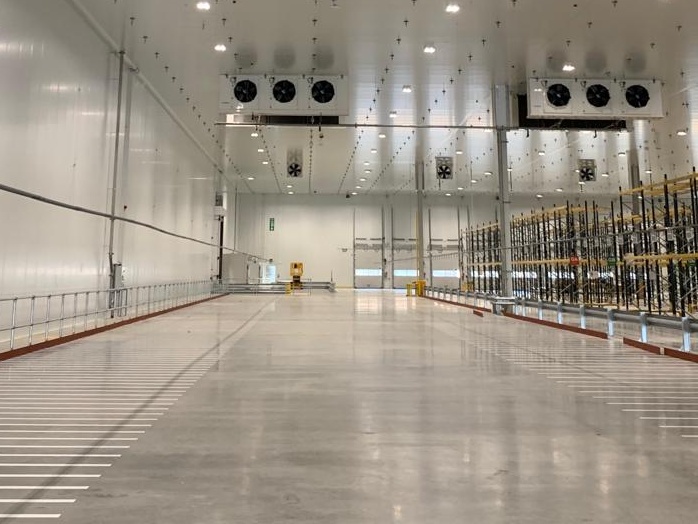
Cold storage and distribution: Every 6-12 months depending on temperature range stability and product value. Frozen storage typically requires more frequent calibration than chilled storage.
Environmental monitoring: Annually for ambient condition monitoring where temperature is recorded for compliance but doesn't directly control processes.
Laboratory reference standards: Every 3-6 months for primary standards, annually for working standards depending on usage frequency and accuracy requirements.
These intervals assume normal operating conditions. Harsh environments with temperature cycling, vibration, or chemical exposure accelerate probe drift and require shortened schedules.
Manufacturing facilities using thermocouples in high-temperature processes typically calibrate every 3 months. RTD sensors in stable environments may extend to annual calibration where measurement accuracy requirements allow.
📌 Critical Point:
Calibration interval selection must consider probe technology, operating environment, and measurement consequences. A probe controlling a pasteurisation process requires different verification frequency than one monitoring warehouse temperature.
Regulatory Requirements That Drive Calibration Frequency
Regulatory frameworks establish minimum calibration frequencies for temperature measurement systems across different industries. These requirements form the baseline for calibration scheduling.
Food safety regulations require temperature monitoring equipment calibration at intervals ensuring measurement accuracy throughout the calibration cycle. HACCP systems must demonstrate probe accuracy through documented calibration records.
Pharmaceutical operations under GMP guidelines require calibration frequencies based on measurement criticality. Process control sensors typically require more frequent calibration than environmental monitoring probes.
- FDA 21 CFR Part 11 requires documented calibration procedures with defined intervals
- EU GMP Annex 15 specifies calibration frequency based on measurement system criticality
- ISO 17025 laboratory standards require calibration intervals validated through measurement history
- Food hygiene regulations require calibration records demonstrating measurement system integrity
Calibration intervals must align with regulatory inspection cycles. Operations facing quarterly audits typically maintain shorter calibration intervals to ensure compliance throughout audit periods.
⚠️ Regulatory Risk:
Extended calibration intervals that allow measurement drift beyond acceptable limits create regulatory non-compliance. Calibration records must demonstrate measurement accuracy throughout the entire calibration period, not just at calibration points.
Risk-Based Calibration Scheduling: When Standards Aren't Enough
Standard calibration intervals provide starting points, but risk assessment determines appropriate frequencies for specific applications. High-value processes require shortened intervals regardless of industry standards.
Risk assessment considers measurement consequences, probe technology limitations, and operating environment severity. A temperature excursion in pharmaceutical batch processing creates different consequences than environmental monitoring drift.
Process criticality drives calibration frequency decisions. Temperature probes controlling automated systems require more frequent verification than those providing advisory readings. Critical control points in HACCP systems demand shortened intervals to maintain process control integrity.
🗒 Risk Assessment Process:
Evaluate measurement consequences, probe drift history, environmental conditions, and regulatory requirements to establish calibration intervals that balance accuracy with operational efficiency.
Environmental factors accelerate calibration schedules. Probes exposed to temperature cycling, chemical vapours, or mechanical vibration drift faster than those in stable conditions. Steam cleaning environments require shortened intervals due to thermal shock effects.
Probe technology influences calibration frequency. Thermocouples drift faster than RTDs under identical conditions. Wire-wound RTDs maintain accuracy longer than thin-film designs in high-temperature applications.
Signs Your Probes Need Immediate Recalibration
Temperature probe drift between calibrations creates measurement errors that affect process control and product quality. Recognising drift indicators prevents quality issues and compliance failures.
Measurement inconsistencies between redundant probes signal calibration drift. When probes in identical conditions show increasing differences, immediate verification is required to identify which sensor has drifted.
🧪 Illustrative example based on representative JBB project work:
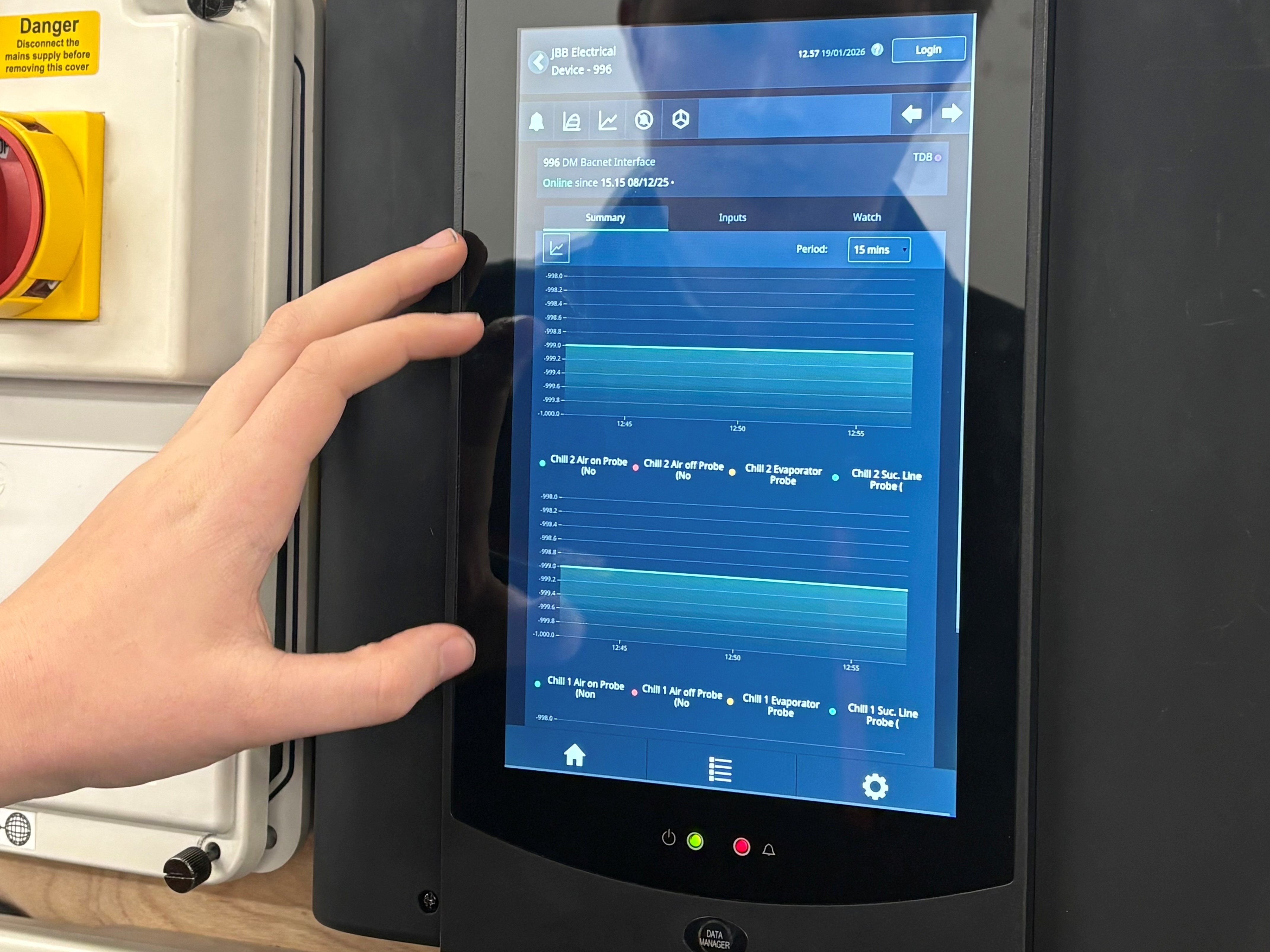
Cold room monitoring system → Two RTD sensors in identical locations showing 2.5°C difference → Calibration verification revealed one probe had drifted 3.2°C due to moisture ingress → Probe replacement and system recalibration restored measurement integrity, preventing potential product loss from undetected temperature excursions.
Process control anomalies indicate potential probe drift. When temperature-controlled processes show increasing variability or struggle to maintain setpoints, probe accuracy verification identifies measurement system issues.
Physical damage or environmental exposure accelerates calibration schedules. Probes subjected to thermal shock, chemical exposure, or mechanical damage require immediate verification regardless of scheduled calibration intervals.
✅ Immediate Recalibration Indicators:
- Measurement differences between redundant probes exceeding normal variation
- Process control difficulties maintaining temperature setpoints
- Physical damage to probe housings or connection points
- Environmental exposure beyond normal operating conditions
- Alarm system triggering from apparent temperature excursions
- Quality control issues potentially related to temperature measurement
Developing a Facility-Specific Calibration Schedule
Effective calibration schedules balance measurement accuracy requirements with operational resources. Facility-specific schedules consider probe criticality, drift history, and regulatory obligations to optimise calibration frequency.
Probe classification systems prioritise calibration resources. Critical probes controlling safety systems or quality parameters require frequent attention. Advisory monitoring probes tolerate extended intervals where measurement consequences are limited.
📋 The JBB Temperature Probe Calibration Methodology:
Assess: Evaluate existing temperature monitoring systems, probe technologies, measurement criticality, and current calibration intervals against regulatory requirements and operational risk levels using thermal assessment and documentation review.
Modernise: Upgrade probe installations, calibration equipment, and documentation systems to support efficient calibration cycles with UKAS traceable standards and automated record-keeping where appropriate for the facility scale.
Protect: Implement calibration schedules with appropriate intervals, environmental protection measures, and redundancy planning to maintain measurement integrity throughout calibration cycles and prevent drift-related failures.
Prevent: Establish drift monitoring procedures, environmental condition assessment, and predictive calibration scheduling to identify probe degradation before measurement errors affect process control or compliance status.
Support: Provide ongoing calibration services with UKAS traceable standards, documentation management, and technical support to maintain measurement system accuracy and regulatory compliance throughout probe service life using JBB Electrical expertise.
Calibration scheduling software tracks probe histories and automates interval management. Systems that monitor probe drift rates can extend or shorten intervals based on actual performance rather than fixed schedules.
Resource planning ensures calibration capacity meets scheduling demands. Facilities with extensive temperature monitoring systems require calibration resources aligned with interval requirements to prevent schedule delays.
Maintenance window coordination integrates calibration activities with planned shutdowns. Calibration during production breaks minimises operational disruption while maintaining measurement system integrity.
💭 Scheduling Efficiency:
Group probe calibrations by location and system to minimise equipment mobilisation and technician travel time. Coordinate with maintenance schedules to access probes during planned downtime.
Documentation and Record-Keeping for Compliance Audits
Calibration documentation demonstrates measurement system integrity to regulatory auditors and quality inspectors. Complete records prove compliance throughout calibration cycles, not just at calibration events.
Calibration certificates must contain UKAS traceable references, measurement uncertainties, and calibration procedures used. Certificates provide audit evidence that temperature measurements meet accuracy requirements throughout the calibration period.
Record retention follows regulatory requirements for different industries. Food operations typically maintain calibration records for product shelf life plus additional periods. Pharmaceutical operations follow GMP retention requirements aligned with product marketing authorisation.
- Calibration certificates with UKAS traceable measurement references
- Calibration procedures specifying methods and acceptance criteria
- Measurement uncertainty calculations demonstrating fitness for purpose
- Calibration interval justifications based on drift history and risk assessment
- Non-conformance records for probes failing calibration acceptance criteria
- Corrective action records addressing calibration failures
Electronic record systems provide audit-ready documentation with automated scheduling and compliance reporting. Systems that integrate calibration data with temperature monitoring provide complete measurement system validation.
ℹ️ Audit Preparation:
Maintain calibration records in formats meeting regulatory requirements for your industry. Electronic systems should provide audit trails demonstrating record integrity and preventing unauthorised modifications.
Quality management systems integrate calibration activities with broader measurement assurance programmes. Founded 1966, JBB Electrical provides calibration services that support quality system compliance across multiple industry sectors.
Next Step: Request a Compliance & Breakdown Prevention Assessment
A Compliance & Breakdown Prevention Assessment identifies the temperature-assurance, monitoring, and cold chain risks affecting your operation - from sensor placement and drift, through alarm governance and data integrity, to the electrical faults inside refrigeration control panels that surface as temperature excursions. It sets out the engineering actions needed to protect product, satisfy auditors, and move your temperature assurance from reactive to engineered. Request a Compliance & Breakdown Prevention Assessment today to establish calibration schedules that maintain measurement accuracy while supporting operational efficiency.
JBB Electrical delivers comprehensive Temperature Monitoring and Probe Calibration services with UKAS traceable standards.