Selecting the wrong control panel maker can transform a routine upgrade into an operational disaster. Equipment that fails commissioning tests, documentation that creates maintenance gaps, and systems that cannot support future modifications all trace back to supplier qualification failures during the tender process.
Industrial facilities require a systematic approach to evaluate control panel makers beyond lowest-cost selection. The framework below provides procurement teams with practical criteria for assessing technical competence, quality systems, and delivery capability — ensuring suppliers can deliver critical infrastructure that meets operational requirements.
Technical Competence Assessment: Verifying Design and Engineering Capabilities
Technical competence separates qualified control panel makers from assembly shops. This assessment verifies whether suppliers possess the engineering depth to design systems that integrate with existing infrastructure while supporting future operational requirements.
✅ Technical Competence Checklist:
- Schematic design capability with load calculations and protection coordination
- Component selection expertise for industrial environments and duty cycles
- Integration experience with PLC platforms relevant to your automation estate
- Understanding of safety interlocks and fault detection requirements
- Provision for future expansions without costly panel modifications
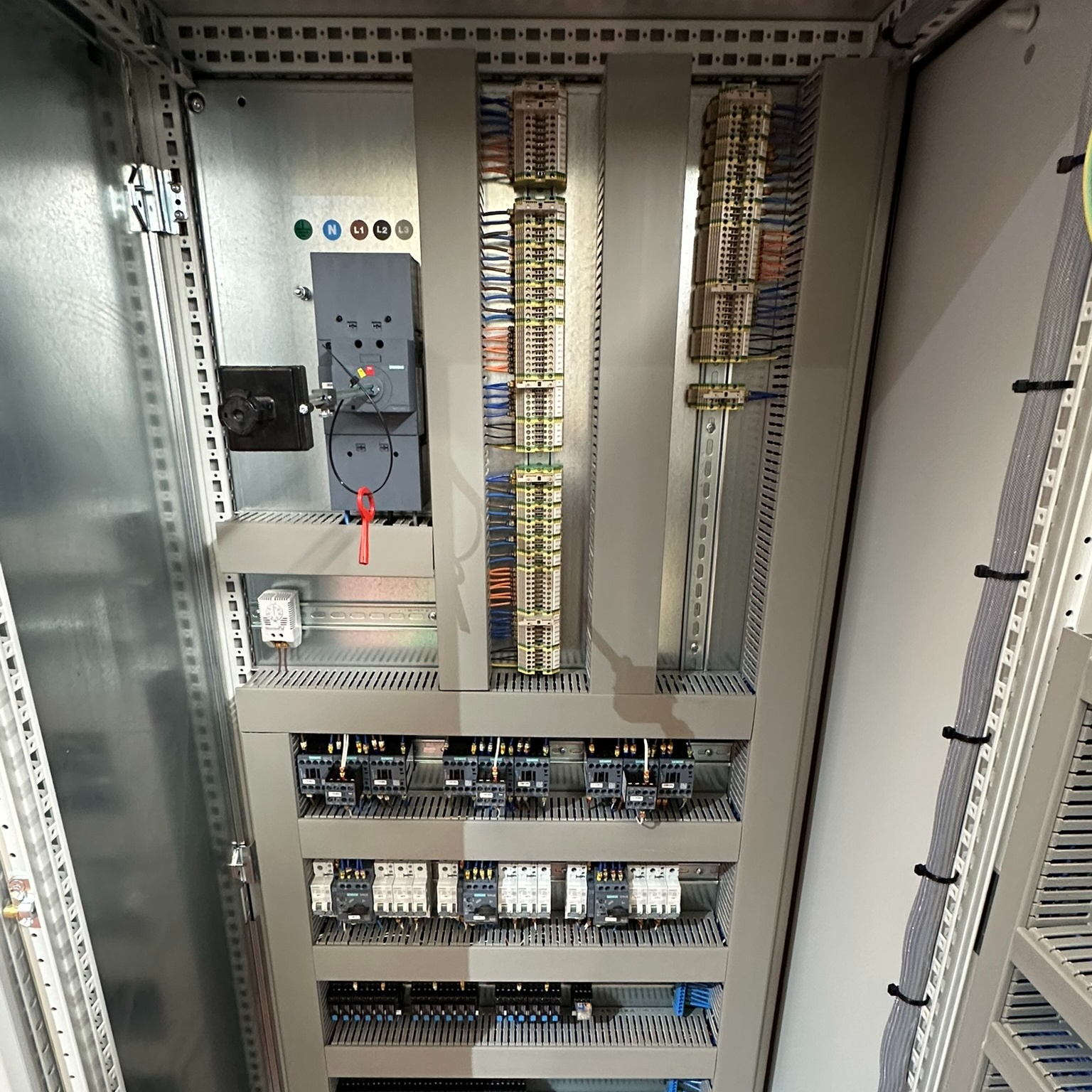
Request evidence of design capability through recent project schematics and technical specifications. Qualified control panel makers provide comprehensive electrical drawings showing protection schemes, load distribution, and interconnection details. Generic panel layouts or absence of detailed schematics indicate limited design competence.
Design Documentation Standards
Professional control panel design requires documentation that enables installation, commissioning, and long-term maintenance. Evaluate suppliers based on their ability to produce terminal schedules, cable schedules, parts lists with manufacturer codes, and panel layout drawings.
Ask potential suppliers to demonstrate their design software capabilities. Modern control panel makers use EPLAN Electric P8 or equivalent CAD systems that generate consistent documentation and support revision control throughout the project lifecycle.
Quality Management Systems: Documentation, Testing, and Certification Standards
Quality systems determine whether control panels meet regulatory requirements and perform reliably in industrial environments. This evaluation examines testing protocols, certification standards, and documentation practices that support long-term system integrity.
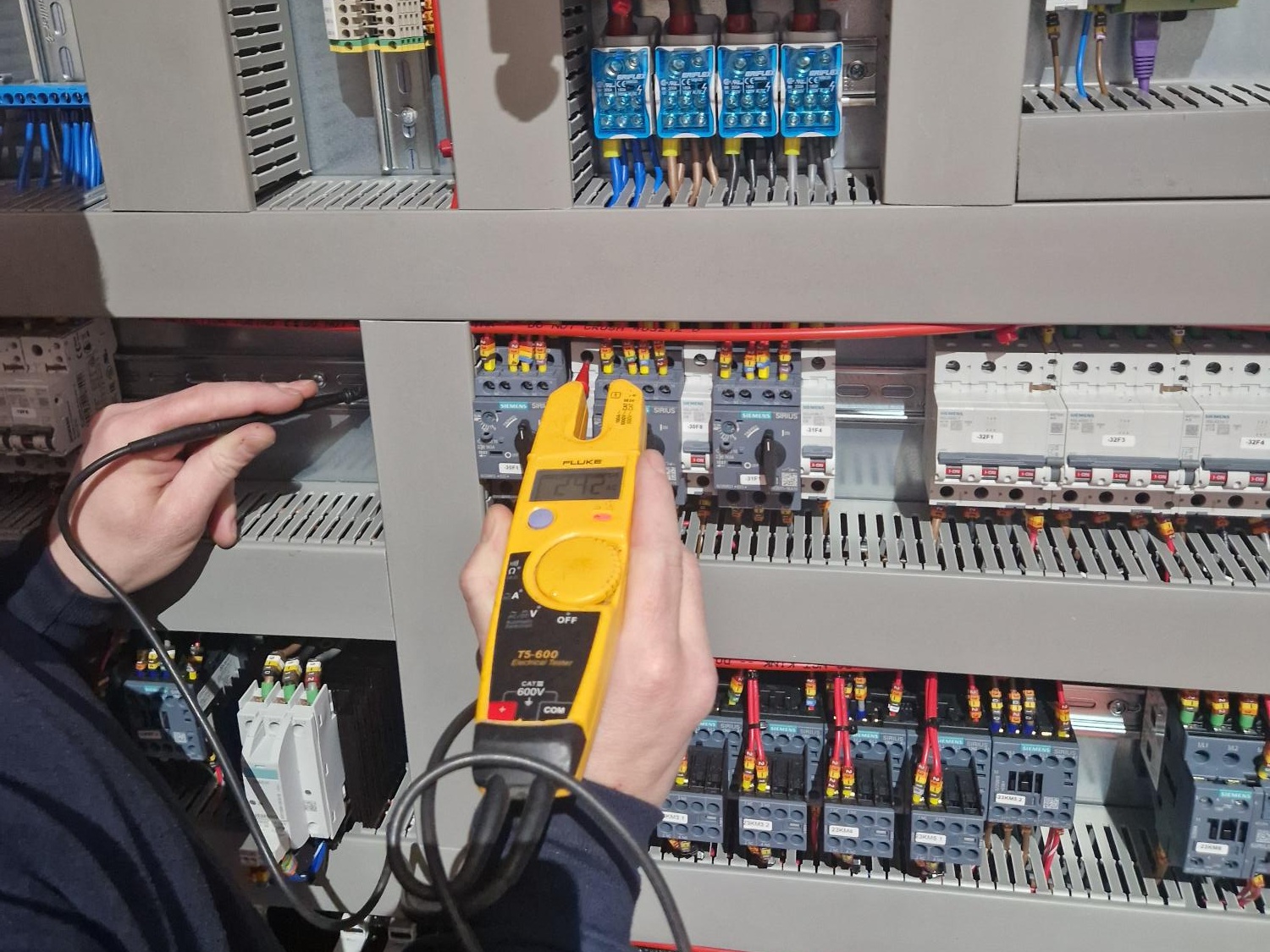
BS EN 60204-1 compliance represents the minimum standard for industrial control panel construction. Qualified manufacturers implement systematic testing protocols that verify protection settings, insulation resistance, earth continuity, and functional operation before dispatch.
📋 The JBB Control Panel Qualification Methodology:
Assess: Review the manufacturer's quality management system, testing facilities, and certification credentials to verify their ability to deliver compliant control panels that meet BS EN 60204-1 requirements and site-specific operational standards.
Modernise: Evaluate the supplier's capability to integrate modern components, PLC platforms, and communication protocols while maintaining compatibility with existing automation infrastructure and supporting future technology upgrades.
Protect: Examine protection coordination expertise, safety interlock design competence, and fault detection capabilities to ensure the control panel maker can deliver systems with appropriate electrical protection and operational safeguards.
Prevent: Assess documentation standards, testing protocols, and quality assurance processes that prevent installation delays, commissioning failures, and maintenance difficulties that arise from inadequate panel construction or documentation.
Support: Verify long-term support capabilities including spare parts availability, technical assistance for modifications, and documentation updates that maintain system integrity throughout the operational lifecycle.
Testing and Certification Requirements
Systematic testing protocols distinguish professional manufacturers from basic assembly operations. Request details of factory acceptance testing procedures, including insulation testing, earth bond verification, and functional testing of all control circuits.
Qualified control panel makers maintain calibrated test equipment and documented testing procedures. Each panel should undergo rigorous quality testing with comprehensive test certificates that demonstrate compliance with electrical safety standards.
Project Delivery Framework: Timeline Management and Communication Protocols
Project delivery capability determines whether control panels arrive on schedule and ready for installation. This assessment examines project management processes, communication protocols, and coordination with site requirements.
Effective project delivery requires structured communication between design, manufacturing, and installation teams. Evaluate suppliers based on their ability to provide regular progress updates, manage component procurement lead times, and coordinate with planned maintenance windows.
🗒 Project Delivery Evaluation:
- Request detailed project timelines with component procurement milestones
- Verify communication protocols for progress reporting and issue resolution
- Assess coordination processes for site delivery and installation scheduling
- Review procedures for managing design changes during manufacturing
Professional manufacturers provide realistic delivery timelines that account for component lead times, design approval cycles, and manufacturing capacity. Unrealistic delivery promises often indicate inadequate project planning or manufacturing capability.
Manufacturing Capacity and Resource Allocation
Manufacturing capacity affects delivery reliability and quality consistency. This evaluation examines workshop facilities, staffing levels, and resource allocation processes that determine a supplier's ability to deliver multiple projects simultaneously.
Qualified control panel makers maintain dedicated manufacturing facilities with appropriate tooling, testing equipment, and quality control systems. In-house manufacturing capability eliminates accountability gaps that arise when design and assembly are divided between different contractors.
📌 Manufacturing Capacity Red Flags:
Subcontracted assembly operations, inadequate testing facilities, or inability to demonstrate current manufacturing capacity indicate suppliers who may struggle to deliver quality panels on schedule.
Assess workshop organisation, component inventory management, and quality control processes during supplier visits. Professional manufacturers demonstrate systematic assembly processes with documented quality checkpoints throughout production.
Post-Delivery Support: Maintenance, Documentation, and Long-Term Partnership
Post-delivery support capabilities determine long-term system reliability and modification feasibility. This assessment examines documentation standards, technical support availability, and spare parts provision that support operational continuity.
Comprehensive documentation enables effective maintenance and future modifications. Qualified manufacturers provide installation drawings, testing certificates, operation manuals, and maintenance schedules that support long-term system integrity.
Documentation Package Requirements
Complete documentation packages include electrical schematics, terminal schedules, component specifications, and maintenance procedures. This documentation must remain accurate throughout system modifications and upgrades.
Professional control panel makers provide documentation in formats that support facility maintenance management systems. Electronic drawings, spare parts lists, and technical specifications enable efficient maintenance planning and procurement.
🧪 Illustrative example based on representative JBB project work:
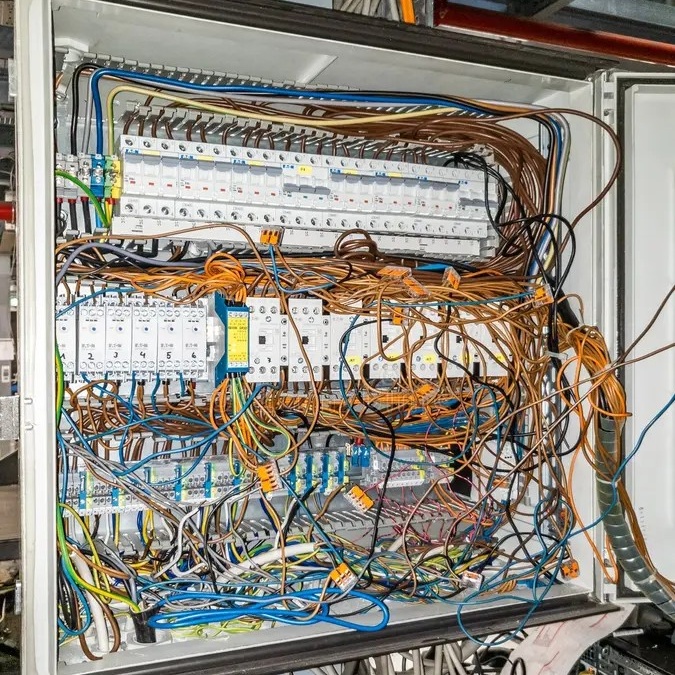
Consider a pharmaceutical facility upgrading process control panels where inadequate supplier documentation created compliance gaps during FDA inspection. The original control panel maker provided basic wiring diagrams without terminal schedules or component specifications. When modification was required, the engineering team spent weeks reverse-engineering the existing installation before changes could be implemented. A qualified manufacturer would have provided comprehensive as-built drawings, component datasheets, and modification procedures that enabled rapid, compliant system updates.
Red Flags in Control Panel Manufacturer Selection
Certain supplier characteristics indicate high project risk and should trigger careful evaluation or supplier elimination during the tender process.
Lowest-cost positioning without corresponding value demonstrates inadequate understanding of control panel engineering requirements. Professional manufacturers invest in design capabilities, quality testing, and documentation systems that justify higher pricing through reduced project risk.
⚠️ Critical Red Flags:
- Absence of detailed technical drawings or specifications
- No evidence of systematic testing protocols or quality systems
- Subcontracted design or assembly without direct accountability
- Inability to demonstrate relevant project experience or certifications
- Unrealistic delivery promises without corresponding resource allocation
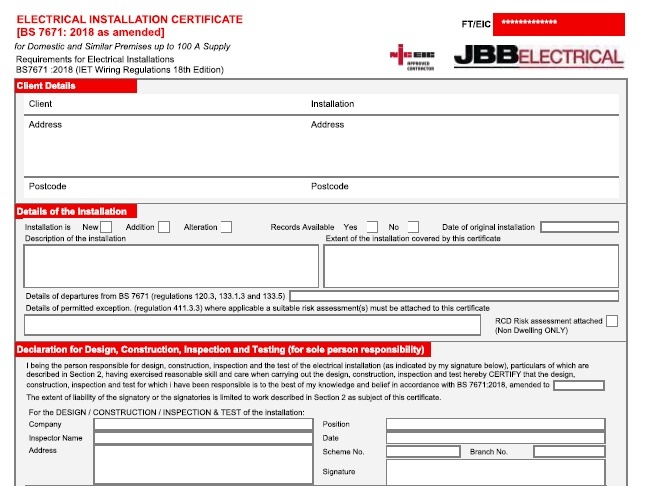
Suppliers who cannot provide evidence of NICEIC-approved contractor status or equivalent certification lack fundamental electrical contracting credentials. This gap indicates potential compliance issues and installation quality problems.
Generic panel designs without site-specific engineering adaptation suggest suppliers who lack the technical competence to address unique operational requirements or integration challenges.
Next Step: Request a Compliance & Breakdown Prevention Assessment
A Compliance & Breakdown Prevention Assessment identifies the control panel, component, software, and documentation risks affecting your operation - from panel compliance and thermal condition, through PLC platform obsolescence, to undocumented control logic that cannot be safely modified. It sets out the engineering actions needed to modernise, document, and protect your automation estate. Request a Compliance & Breakdown Prevention Assessment today to establish the engineering requirements that qualified control panel makers must meet for your facility.
JBB Electrical's PLC Programming & Automation Software Development service includes the systematic design and documentation standards that procurement teams should expect during supplier qualification.